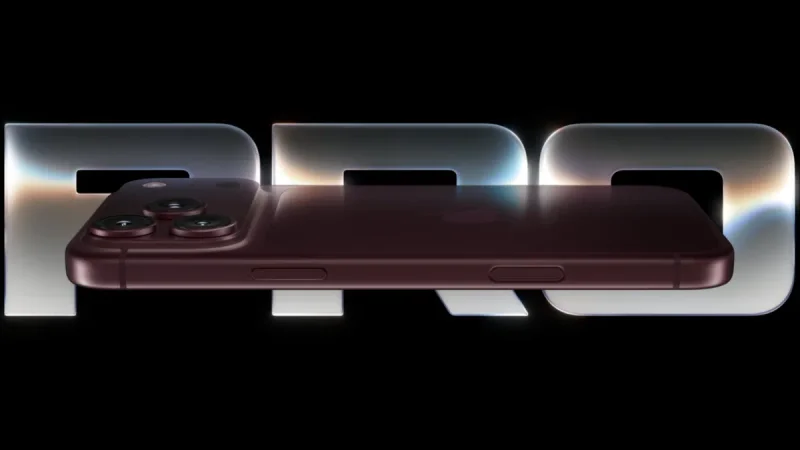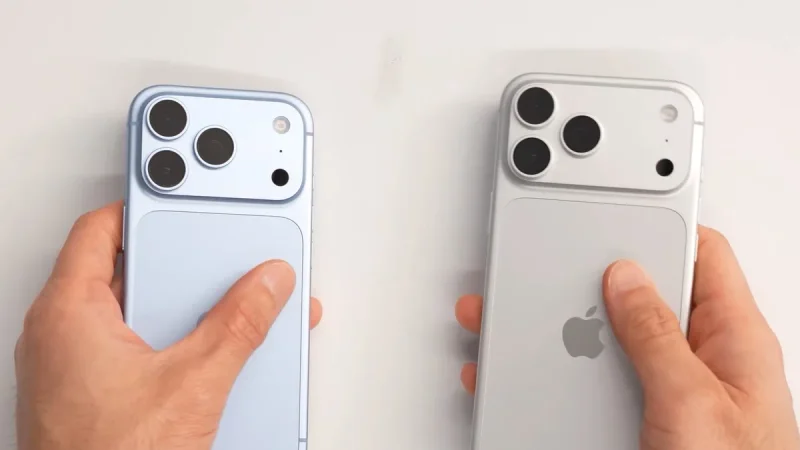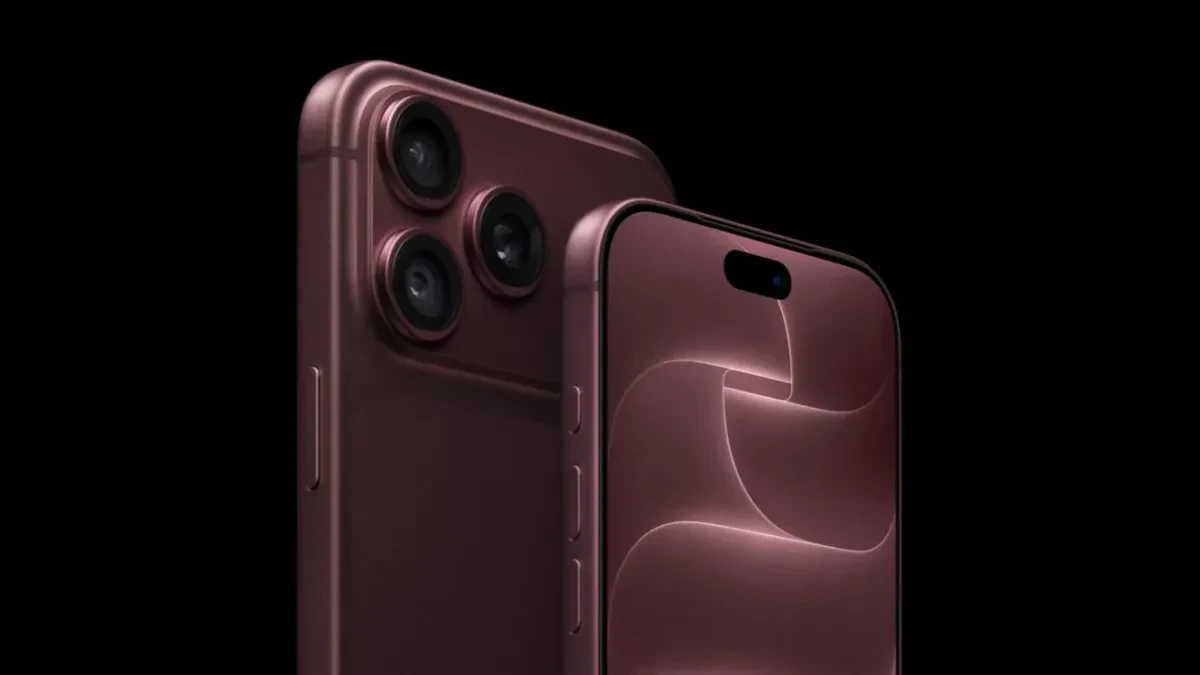
Apple has introduced a mechanical leap in its latest flagship, equipping the iPhone 18 Pro with a physical, six-blade variable aperture that mimics standalone DSLRs. However, according to the latest camera benchmark analysis by DXOMARK, this physical iris upgrade was not quite enough to secure the absolute top spot in the global smartphone rankings. The Apple iPhone 18 Pro achieved an overall camera score of 172, placing it second in the highly competitive ultra-premium tier of devices priced above $800.
While this score represents a solid four-point improvement over its predecessor, the iPhone 17 Pro, Apple still lags behind its chief mobile photography competitor. The Huawei Pura 80 Ultra continues to hold the crown with 175 points, maintaining the lead it established last August. Despite missing the absolute top spot, Apple's latest hardware revision brings meaningful changes to how users capture light, particularly in video and dim environments.
The Mechanics of Apple's Variable Aperture
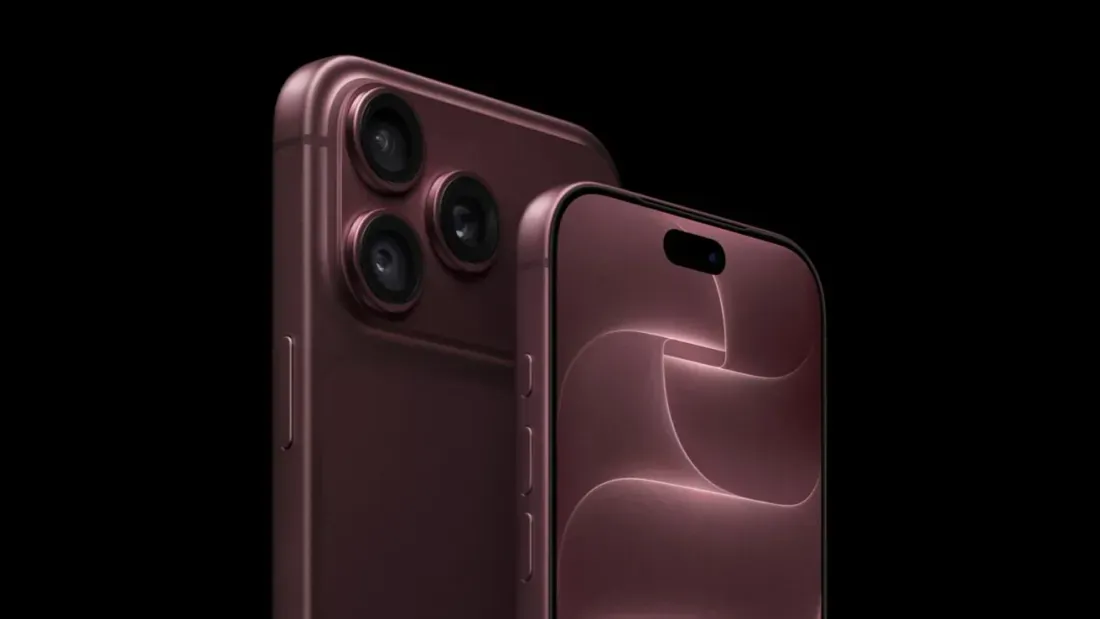
The standout hardware addition to the iPhone 18 Pro is its main camera, which features a physical iris constructed of six moving blades. This mechanical system allows the lens to physically open and close, shifting between a wide f/1.48 and a narrow f/4.0 aperture. This marks the first time Apple has utilized a variable aperture on an iPhone, bringing manual depth-of-field control directly to mobile photographers.
In practice, DXOMARK noted that this mechanical flexibility solves a common pain point for smartphone group portraits. By closing down the aperture, the camera increases the depth of field, ensuring that multiple people standing at different distances remain sharp and in focus. While variable aperture technology has been used by competitors like Huawei, Apple's implementation brings a new level of physical control to iOS users who want to dictate background blur without relying entirely on software algorithms.
Where the iPhone 18 Pro Excels and Stumbles
Looking closely at the sub-scores, the iPhone 18 Pro establishes itself as an absolute benchmark leader for mobile videographers. It secured a score of 176 for video, which is the highest video rating currently recorded by DXOMARK. The testing highlighted exceptionally smooth, natural-looking video stabilization, even when recording while running, alongside improved motion rendering when shooting at 60 frames per second.
Low-light performance also set a new benchmark, scoring 150 points. Under dim lighting conditions, the camera maintained impressive detail, accurate exposure, and well-controlled noise levels. In standard daylight conditions, the phone preserved a natural contrast balance and offered a dynamic range wide enough to retain highlight and shadow details in challenging backlit environments.
However, the physical upgrade did not entirely eliminate typical smartphone camera compromises. DXOMARK identified several lingering weaknesses, including slight color casts and occasional white balance shifts that can disrupt color consistency across a series of photos. Flare remains an issue under specific shooting conditions, and the screen preview occasionally exhibits sudden brightness shifts when transitioning between photo and video modes.

The Zoom and Portrait Deficit
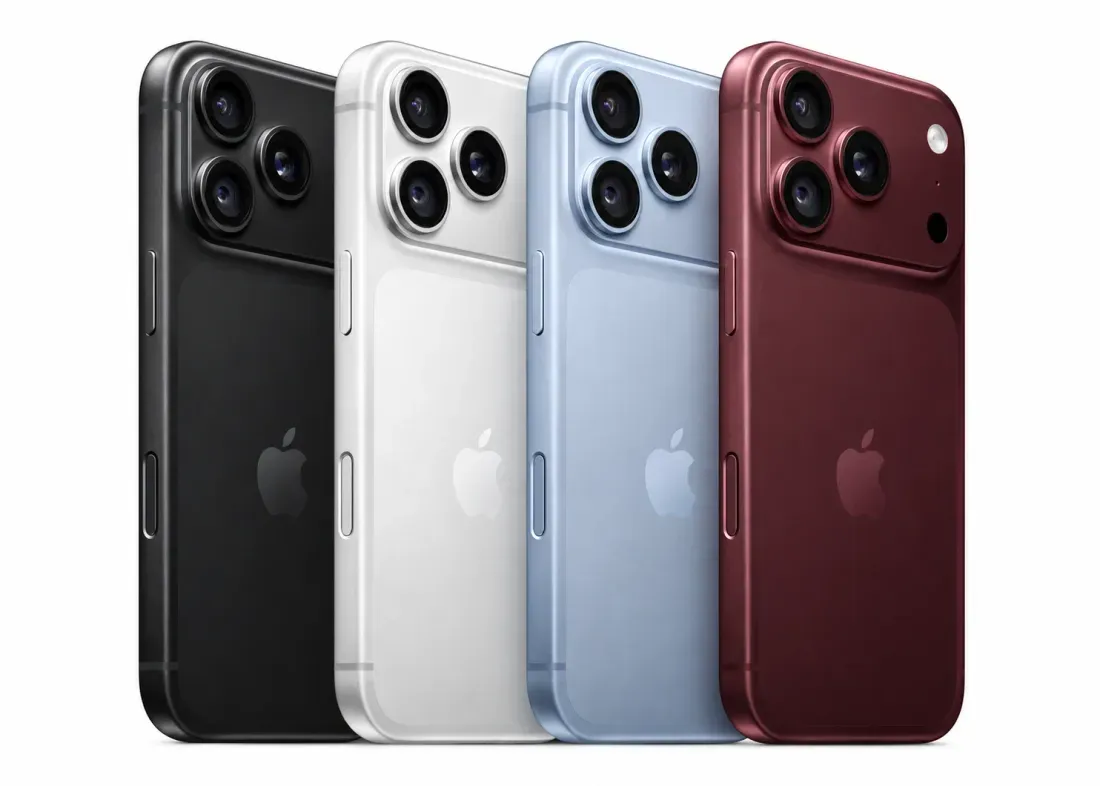
While the iPhone 18 Pro features a robust triple 48-megapixel rear camera system, comprising main, ultrawide, and telephoto lenses, it still falls short in specialized shooting scenarios. In the portrait category, the iPhone 18 Pro scored 157 points, failing to match the 169 points achieved by the Huawei Pura 80 Ultra.
Zoom capabilities also highlight a notable gap between Apple and its rivals. The iPhone 18 Pro scored 138 for zoom, trailing far behind the Vivo X300 Ultra, which currently leads that category with 161 points. Apple's telephoto system struggled to match the long-range zoom clarity of these specialized Android flagships.
Ultimately, the iPhone 18 Pro represents a significant step forward for Apple, proving that mechanical camera engineering can deliver genuine real-world benefits. While it may not wear the absolute crown for still photography, its unmatched video performance and low-light capabilities make it a formidable tool for creators.