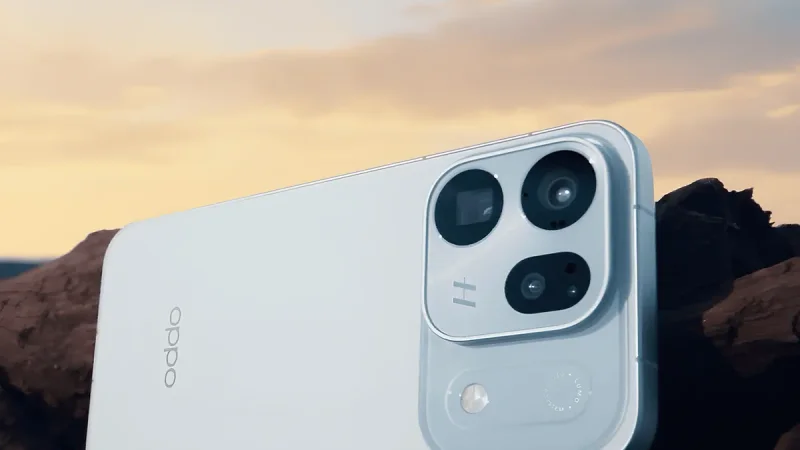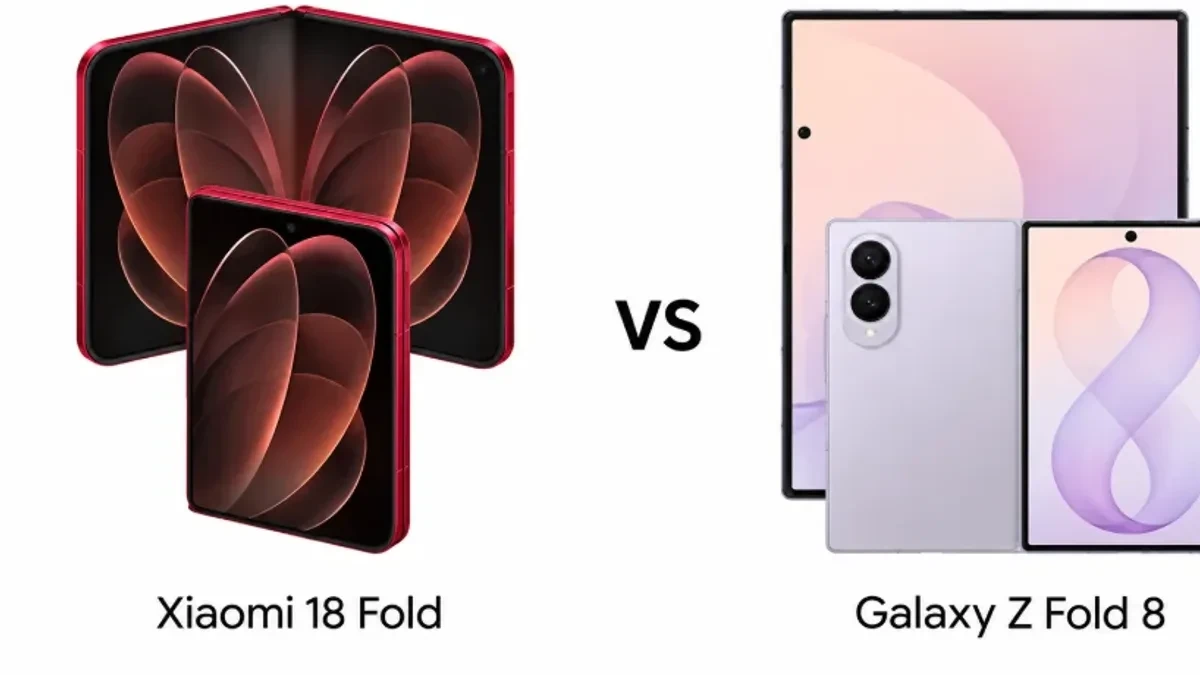
The foldable smartphone landscape has long been dominated by the steady, predictable refinement of the Samsung Galaxy Z Fold series. However, the arrival of the Xiaomi 18 Fold signals a shift in strategy. By prioritizing raw specifications like a 6,000mAh battery, a 200MP Leica-branded camera system, and significantly faster charging, Xiaomi is positioning itself as the choice for power users who find the iterative updates of established giants to be stagnant.
At a price point of approximately $1,600 (₹155,000), the Xiaomi 18 Fold undercuts the Galaxy Z Fold 8, which retails for roughly $1,900 (₹180,000). This $300 difference is not trivial, especially when the lower-priced device packs more aggressive hardware. The core conflict here is clear: do you value the long-term software support and ecosystem maturity of Samsung, or does the raw performance and hardware versatility of Xiaomi take precedence?
Display and Durability Benchmarks
Xiaomi has opted for a display configuration that pushes peak brightness to a staggering 4,000 nits, outclassing the 3,000-nit panel found on the Galaxy Z Fold 8. While both devices utilize high-end LTPO AMOLED technology to manage refresh rates, Xiaomi’s approach feels more future-proof for HDR content consumption.
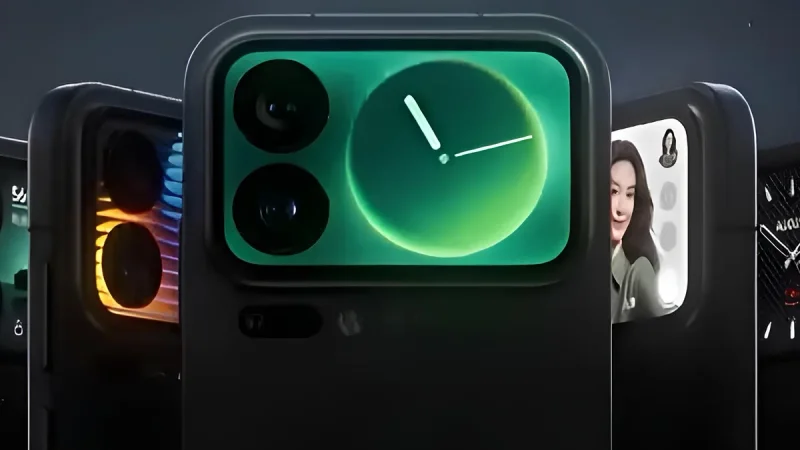
Durability remains the most critical factor for any folding device. Xiaomi’s inclusion of an IP58/IP59 rating offers a tangible peace of mind against both dust and water ingress, surpassing the IP48 rating on the Samsung. While Samsung utilizes advanced materials like Gorilla Glass Victus 2 and Armor Aluminum to ensure structural integrity, Xiaomi’s focus on higher dust and water resistance makes it a more practical companion for those who use their devices in varied environments.
Battery Life and Charging Speed
Perhaps the most glaring disparity between these two flagships is battery capacity. Xiaomi has managed to integrate a massive 6,000mAh silicon-carbon battery into a foldable chassis, dwarfing the 4,800mAh cell found in the Galaxy Z Fold 8. For users who rely on their phones for intensive productivity tasks throughout the day, the difference in endurance is substantial.
Beyond capacity, the charging experience is entirely one-sided. With 67W wired and 50W wireless charging, the Xiaomi 18 Fold spends significantly less time tethered to a wall outlet compared to the 45W wired and 20W wireless limits of the Samsung device. If your daily routine demands rapid top-ups between meetings or during travel, Xiaomi’s engineering choices offer a clear functional advantage.
Camera Versatility and Software Philosophy
Photography enthusiasts will find the Xiaomi 18 Fold to be a more comprehensive tool. The 200MP primary sensor, coupled with a dedicated 50MP 3x optical telephoto lens, provides a level of versatility that the Galaxy Z Fold 8 struggles to match, particularly due to the absence of a dedicated telephoto lens on the Samsung model.
However, hardware is only half the story. Samsung continues to lead in software-driven productivity, most notably with Samsung DeX. The ability to transform a phone into a desktop-like workstation remains a unique selling point that justifies the premium for many professionals. Coupled with seven years of promised OS updates, Samsung offers a level of long-term support that is difficult to ignore. While Xiaomi’s HyperOS 4 is feature-rich, those invested in the wider Galaxy ecosystem may find the transition to Xiaomi’s hardware to be a sacrifice in convenience rather than a simple upgrade in specs.