Motorola is preparing to disrupt the flagship smartphone market with its upcoming Signature 27, a device that promises to bridge the gap between high-end hardware and hardened privacy. As the successor to the original Signature released in early 2026, this new model is generating significant buzz not just for its top-tier specifications, but for its rumored integration with GrapheneOS, the security-focused mobile operating system that has historically been exclusive to Google Pixel handsets.
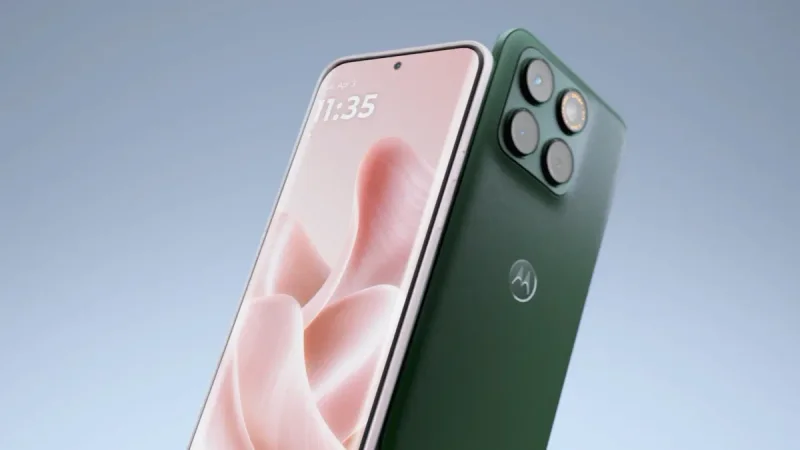
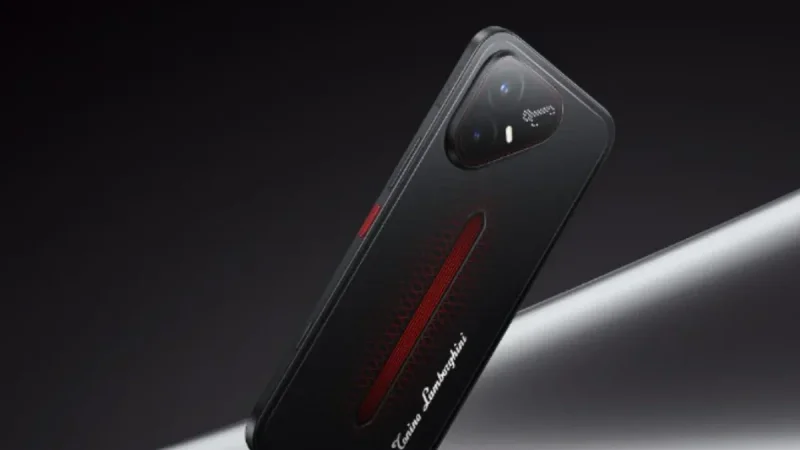
Recent teasers from Motorola’s US and European portals highlight a sophisticated design language, featuring textured rear panels in 'Coal Smoke' and 'Capulet Olive' shades. These finishes, likely utilizing premium vegan leather or fabric, signal a departure from the generic glass-back trend. However, the most compelling narrative lies beneath the surface, where Motorola is reportedly pairing Qualcomm’s latest silicon with the highly anticipated GrapheneOS support.
A Camera System Built for Versatility
The teaser campaign has placed a spotlight on the camera array, with a prominent ring confirming a 200MP sensor, Dolby Vision support, and a 100x 'Super Zoom' capability. Industry observers point to the inclusion of 'LYTIA' branding as evidence that Motorola is utilizing Sony’s LYT-901 sensor. This 1/1.12-inch component is renowned for its high-density pixel architecture, capable of delivering exceptional detail and light sensitivity.
While the 200MP main shooter handles the heavy lifting, the mention of 100x zoom suggests the inclusion of a dedicated periscope telephoto module. Given that the LYT-901 sensor itself natively supports only up to 4x in-sensor zoom, the 100x figure relies on a combination of high-resolution cropping and hybrid processing - a common strategy for capturing distant subjects at concerts or sporting events without the bulk of a traditional DSLR lens.
Hardware Meets Hardened Privacy
Perhaps the most significant development is the rumored internal codename 'Wukong.' Reports suggest this device is built around the Qualcomm Snapdragon 8 Elite Extreme Gen 6, a chipset expected to feature advanced Memory Tagging Extension (MTE) support. MTE is a crucial security feature that helps prevent memory-related vulnerabilities, making it a perfect match for the privacy-first architecture of GrapheneOS.

If the Signature 27 indeed launches with official GrapheneOS support, it would represent a historic shift. Users who demand security-first mobile computing have long been tethered to the Pixel ecosystem. A high-performance Motorola flagship offering this same level of sandboxing and privacy control, coupled with Qualcomm hardware, could finally provide a viable, powerful alternative for security-conscious professionals.
With the reveal scheduled to coincide with the Snapdragon Summit, the tech community is only days away from seeing whether these ambitious leaks hold up. While pricing and global availability remain unconfirmed, the convergence of flagship silicon and a privacy-focused OS makes the Signature 27 one of the most intriguing hardware launches of the year.