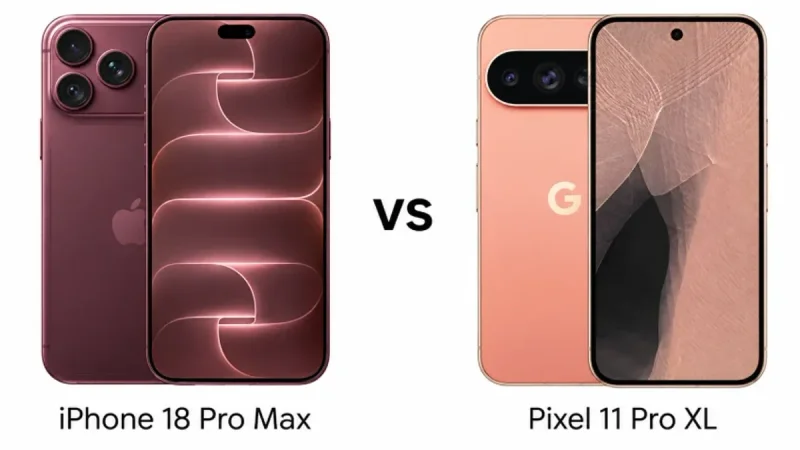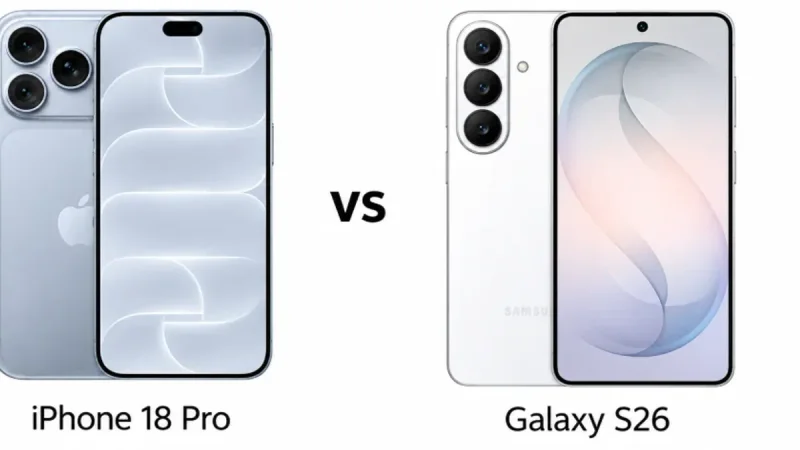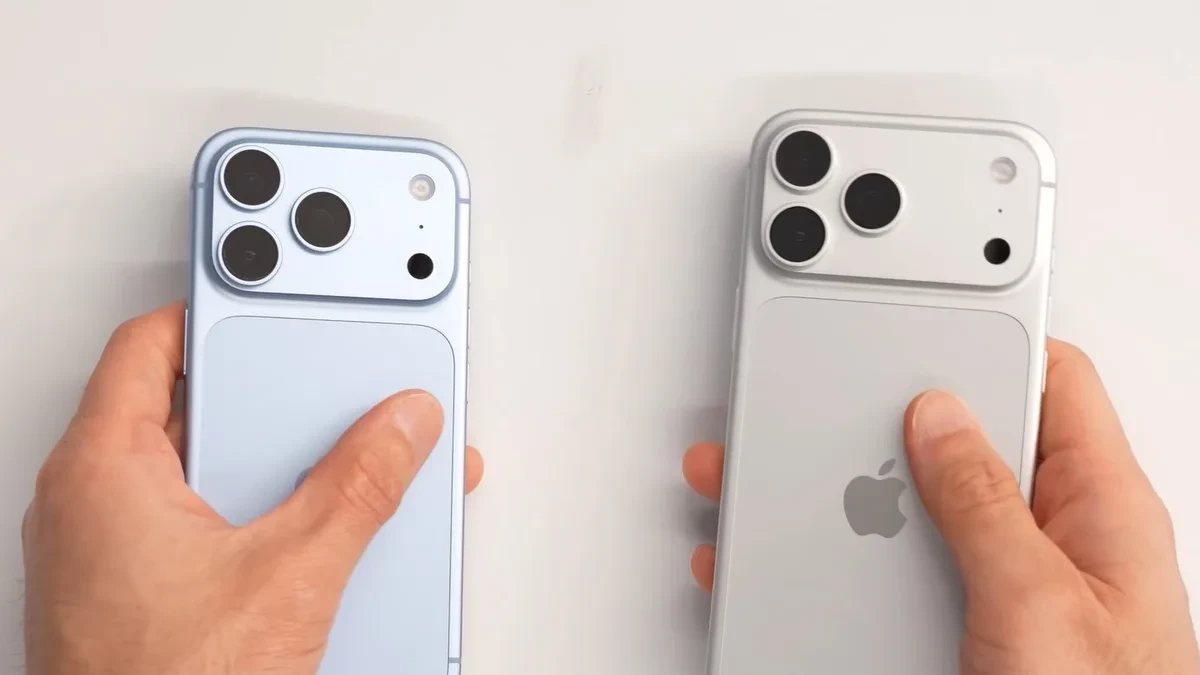
Apple made ambitious claims regarding the battery endurance of its latest flagships, advertising up to 45 hours of video playback for the eSIM-only iPhone 18 Pro Max and 36 hours for the standard iPhone 18 Pro. Backed by the updated A20 Pro chipset and larger battery packs, on paper the hardware suggests a noticeable step forward for mobile endurance. However, independent real-world testing conducted by popular tech reviewer Dave2D reveals that these advertised figures do not translate equally across all user workloads, particularly when demanding 3D gaming enters the picture.
In daily, low-intensity usage, the architectural refinements in the A20 Pro chip do yield tangible runtime improvements. Yet when pushed under heavy GPU load with display brightness locked at 600 nits, the standard iPhone 18 Pro actually succumbs to battery drain faster than the previous-generation iPhone 17 Pro, highlighting how sustained performance heat and power draw continue to challenge modern compact designs.
Light Tasks Show Generational Progress
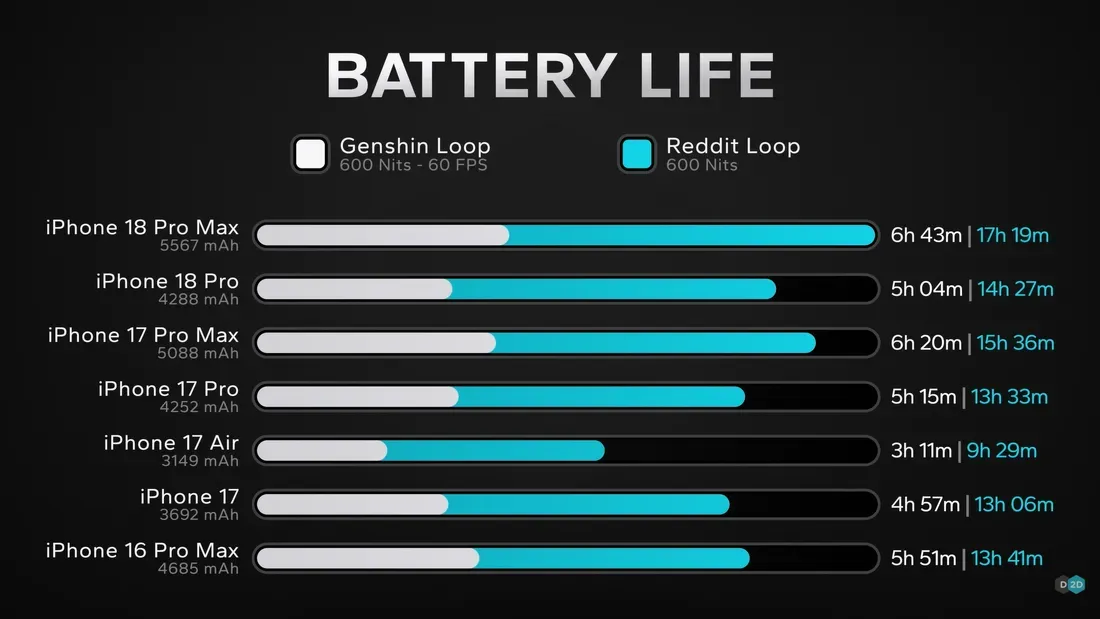
For casual daily routines, Apple's hardware efficiency adjustments do show clear benefits. In Dave2D's automated Reddit browsing loop conducted at 600 nits of screen brightness, both new models demonstrated meaningful improvements over their predecessors. The iPhone 18 Pro Max, which houses an estimated 5,567 mAh battery (a 9.4% capacity increase), achieved a total runtime of 17 hours and 19 minutes. That marks a solid 1 hour and 43 minute improvement compared to the 15 hours and 36 minutes recorded on the iPhone 17 Pro Max under identical testing conditions.
The standard iPhone 18 Pro, which relies on a much smaller 4,288 mAh battery pack (a minor 36 mAh increase over its direct predecessor), also saw positive gains in lightweight tasks. It lasted 14 hours and 27 minutes in the Reddit browsing test, outpacing the iPhone 17 Pro by roughly one hour. These figures confirm that for web browsing, social media scrolling, and basic app interactions, the A20 Pro processor operates with commendable energy management.
High-Load Mobile Gaming Exposes Thermal and Efficiency Limits
The narrative changes dramatically once the A20 Pro chipset is subjected to sustained graphics processing. Testing the devices in Genshin Impact at 600 nits brightness exposed severe battery drain that completely eroded the efficiency advantages observed during light usage.
Despite its massive 5,567 mAh battery, the iPhone 18 Pro Max only managed to outlast the iPhone 17 Pro Max by 23 minutes during extended gaming. While a slight positive, this modest gain means the nearly 10% larger battery capacity yields almost negligible extra play time when the GPU is pushed hard.
The outcome was even more disappointing for the smaller iPhone 18 Pro. Because its physical battery capacity remained virtually unchanged compared to the prior generation, any runtime improvements relied entirely on silicon efficiency gains. In the Genshin Impact test, the iPhone 18 Pro actually shut down 11 minutes earlier than the iPhone 17 Pro. This regression suggests that under maximum load, the A20 Pro draws significantly more power or hits thermal thresholds that force the system to consume energy less efficiently over sustained sessions.

What This Means for Potential Upgraders
For gamers and power users, these test results serve as a crucial reality check. While Apple's marketing highlights extended video playback metrics, those controlled playback figures rely heavily on hardware video decoding blocks that operate at minimal power draw. High-end mobile gaming, by contrast, forces the CPU, GPU, and neural engine to draw peak wattage simultaneously, generating heat that impacts battery chemistry and power delivery.
Users planning to upgrade primarily for extended gaming sessions on the compact Pro model may find little to no practical benefit over the previous generation. While casual users will appreciate the extra hour of screen-on time during lightweight web browsing, competitive mobile gamers and heavy multitasking users should manage their expectations regarding thermal efficiency and sustained gaming battery life.