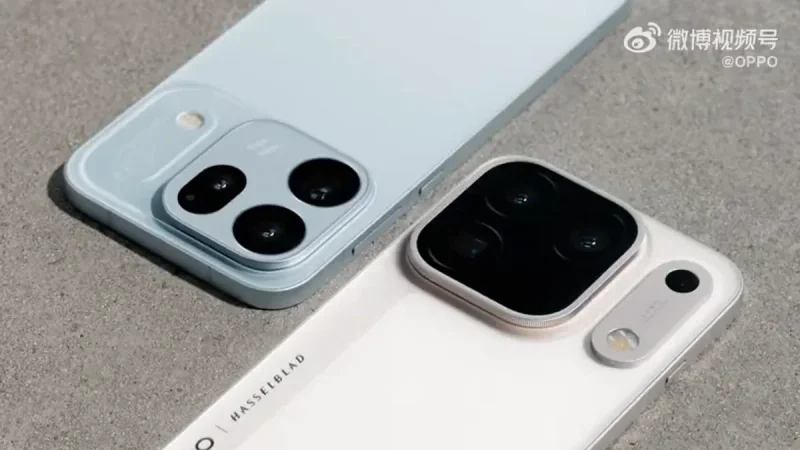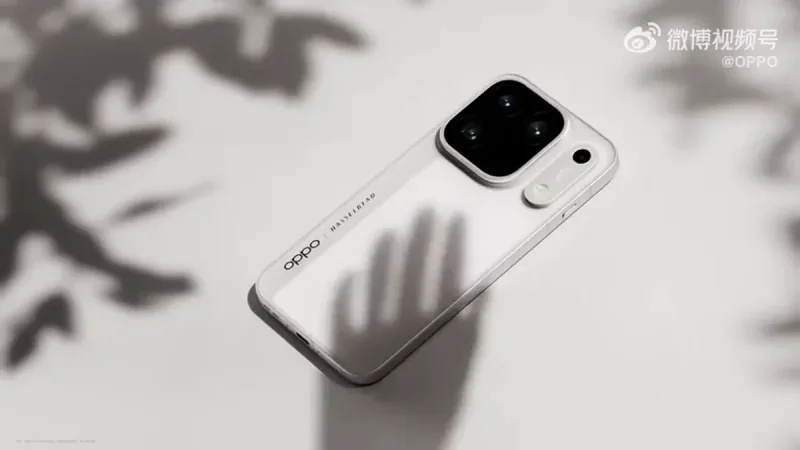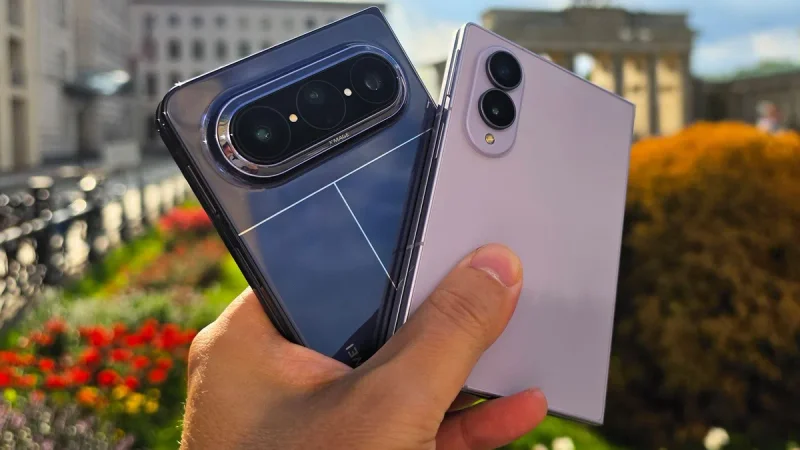
Oppo is setting the stage for the September 22 launch of its Find X10 series by pulling back the curtain on the base model's imaging capabilities. Moving beyond typical marketing renders, the company has released a series of high-resolution camera samples that emphasize natural skin tones and balanced color processing. This generation marks a significant departure from standard sensor configurations, as Oppo introduces a dual 200MP setup for both the primary and telephoto lenses.
The main shooter is slated to utilize the ISOCELL HPC sensor, which boasts a large 1/1.3-inch footprint identical to the sensor found in top-tier Samsung Galaxy S Ultra devices. By pairing this hardware with Hasselblad's color science and a specialized 24-channel light sensor, Oppo aims to minimize the aggressive digital sharpening that often plagues high-megapixel mobile photography.

Under the Hood of the Find X10 Imaging System

The technical backbone of the Find X10 is designed to prioritize data collection over software-heavy correction. The inclusion of a dedicated color sensor allows the device to sample light data across 24 distinct channels, a feature intended to keep skin tones accurate even in complex lighting environments. In the released samples, the camera exhibits a refined bokeh effect that appears natural rather than computationally forced, a common point of contention for users who dislike the 'plastic' look of portrait mode on many mid-to-high-range smartphones.
Beyond the main sensor, the telephoto lens also jumps to a 200MP resolution, reportedly utilizing a 1/1.56-inch sensor. The ultra-wide camera will round out the array with the ISOCELL JN5. These early shots, taken in bright outdoor conditions, show impressive detail retention in shadow areas, which remain free of the muddy grain often associated with high-density sensors.

Performance Trade-offs and Market Positioning

While the samples are largely positive, they do highlight a familiar hurdle for high-resolution mobile sensors: highlight clipping. In shots featuring direct, harsh sunlight, there is a minor loss of detail in the brightest areas of the frame. This suggests that while the hardware is capable of capturing immense detail, the dynamic range management will be a critical factor to watch once the device hits the hands of reviewers.
As Oppo prepares to roll out the Find X10, the Find X10 Pro Max, and the Find X10 E, the company is clearly positioning the base model as a serious contender for photography enthusiasts who value color accuracy over over-saturated, 'ready-for-social-media' filters. Global pricing and regional availability have not yet been announced, but the hardware choices suggest a premium focus for the entire lineup.