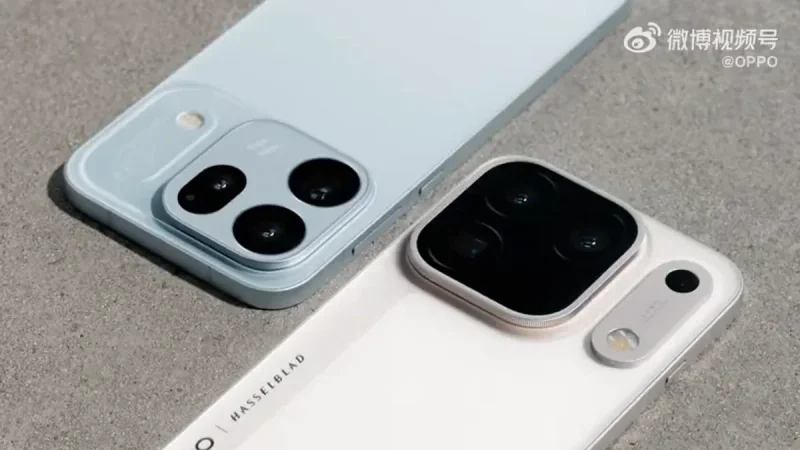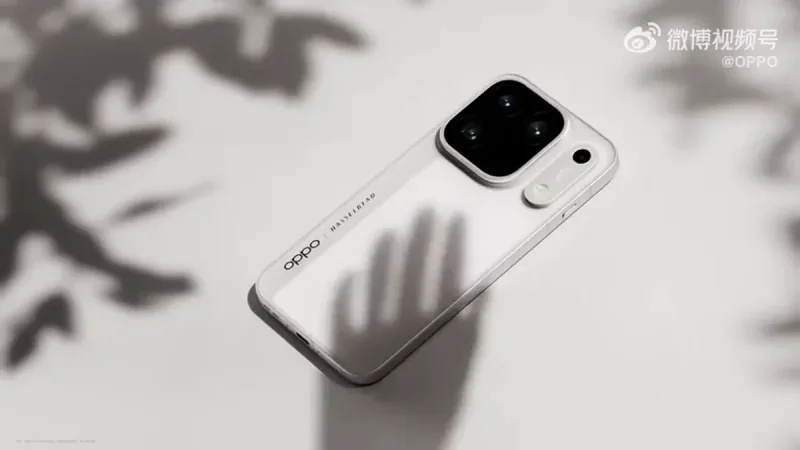
Oppo is turning up the pressure on mobile photography standards ahead of the September 22 reveal of its Find X10 series. By releasing a series of high-resolution camera samples, the company is highlighting the imaging capabilities of its base model, which centers on a rare dual 200MP sensor configuration. This move signals a departure from standard iterative upgrades, aiming instead for a balance between extreme detail and authentic color reproduction.
The hardware foundation for the base Find X10 is ambitious. The primary sensor is expected to be the ISOCELL HPC, a 1/1.3-inch component that mirrors the large sensor size found in top-tier Samsung Galaxy S Ultra devices. This is paired with a 200MP telephoto lens, rumored to feature a 1/1.56-inch sensor. By utilizing the co-developed Hasselblad imaging engine and a specialized 24-channel light and color sensor, Oppo claims the system prioritizes accurate skin tones and realistic lighting over the aggressive, artificial sharpening that often plagues modern smartphone photography.

In the released samples, the images demonstrate impressive clarity in bright outdoor environments. Even without portrait mode active, the lens produces a natural bokeh effect that separates subjects from their backgrounds with clinical precision. Perhaps most notable is the noise control in darker areas of the frame, which remains remarkably clean. Unlike many high-resolution sensors that struggle with grain in shadows, these samples suggest that Oppo has managed to optimize its computational pipeline to maintain texture integrity.
However, the samples also reveal the limitations of current mobile sensor technology. In scenes with direct, harsh sunlight, there is a minor loss of detail in the brightest highlights, indicating that the dynamic range, while strong, may still require careful framing in high-contrast scenarios. This is a common hurdle for high-density sensors, and it will be interesting to see how the final software release handles exposure compensation when the device hits the market.
Beyond the base Find X10, the broader series is expected to include the Find X10 Pro Max and the Find X10 E, catering to varying tiers of power users. With the integration of an ISOCELL JN5 for the ultra-wide lens, the hardware stack appears well-rounded. As the September 22 launch date approaches, the industry is watching closely to see if Oppo’s pivot toward natural color science can disrupt the current dominance of over-processed mobile imagery.