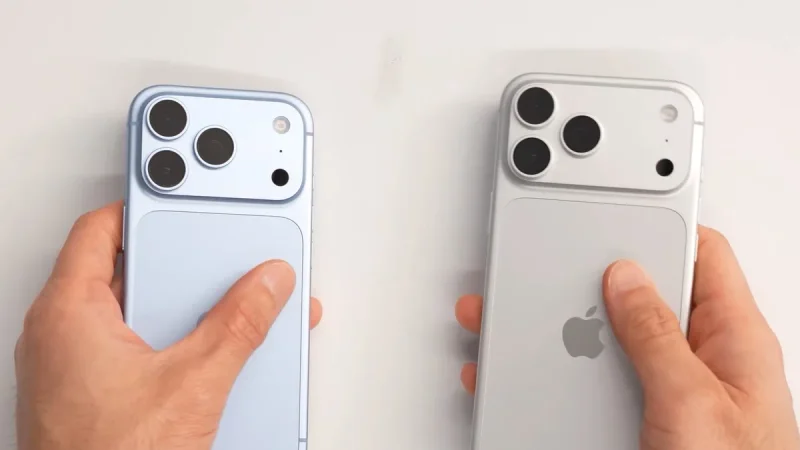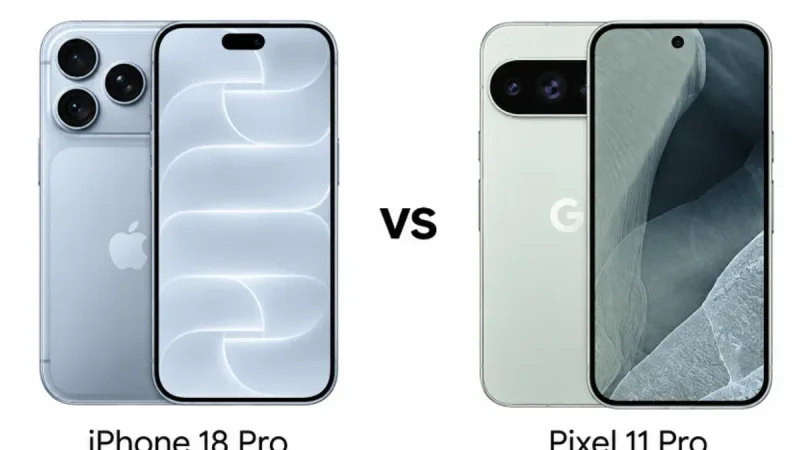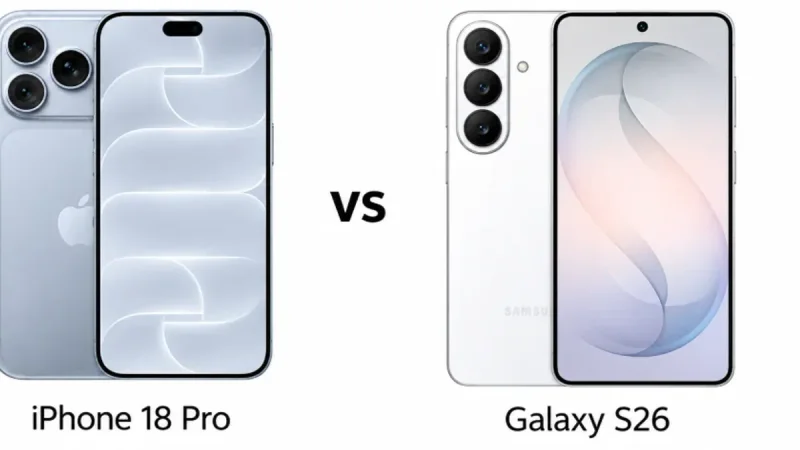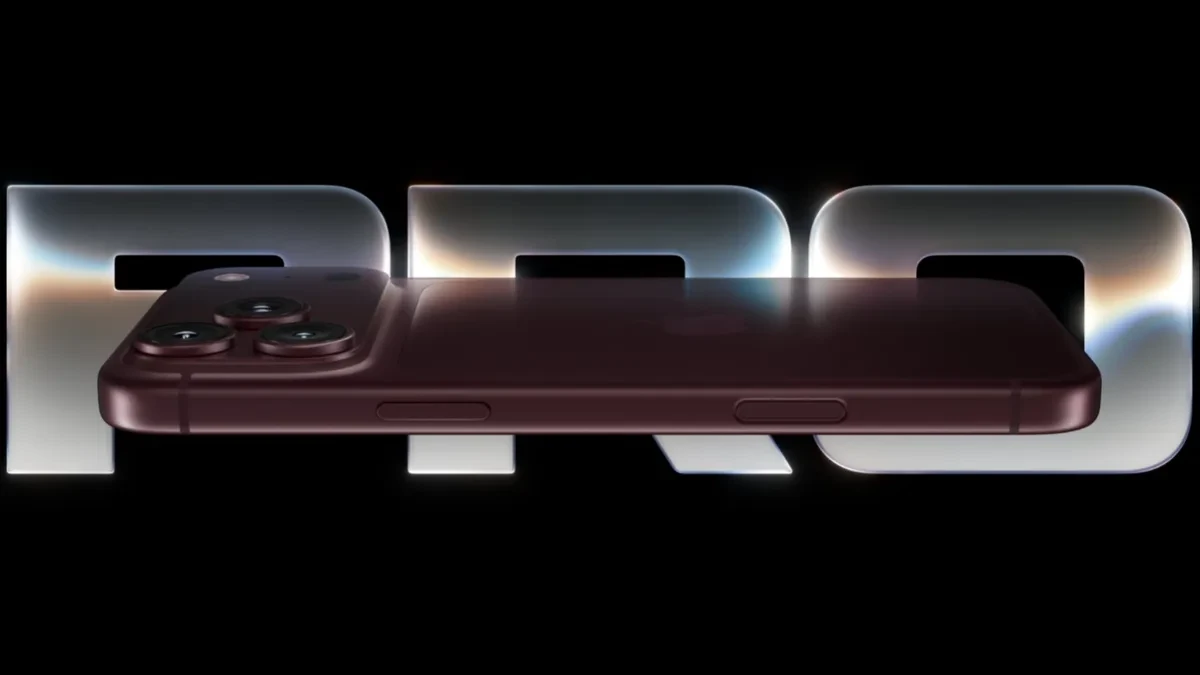
At first glance, the iPhone 18 Pro looks like a carbon copy of its predecessor. The chassis dimensions remain so consistent that your existing iPhone 17 Pro cases will fit perfectly. However, a comprehensive teardown by REWA Technology peels back the glass to reveal a significant architectural overhaul designed to solve long-standing thermal and efficiency bottlenecks.
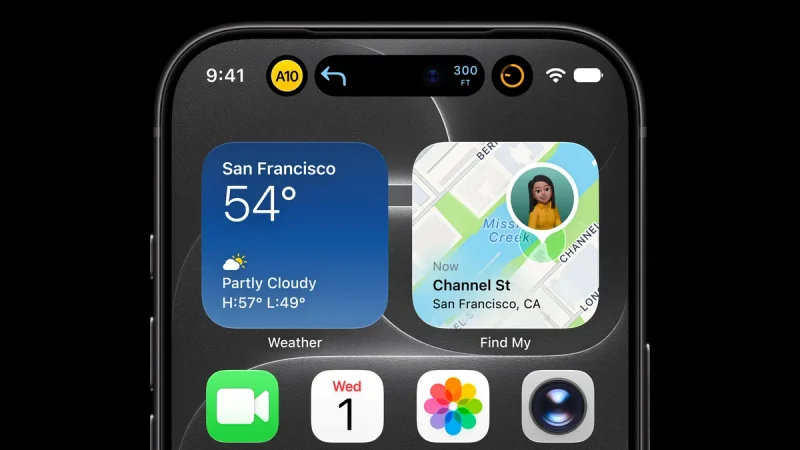
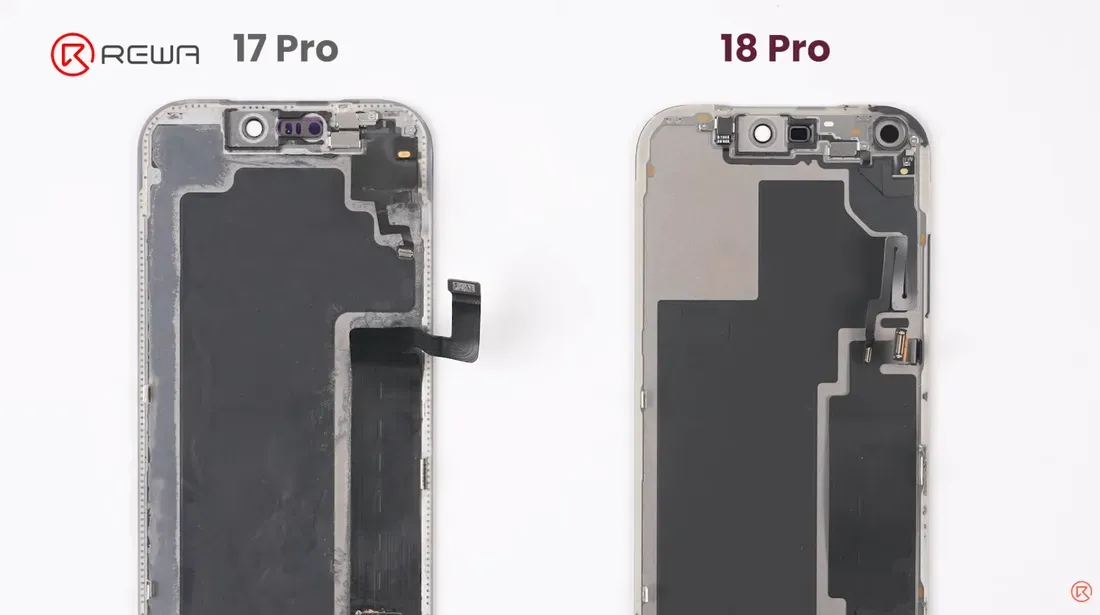
The most immediate visual change is the reduction of the Dynamic Island. By relocating the Face ID sensor array to the left corner and hiding the hardware beneath the display, Apple has achieved a cleaner aesthetic without sacrificing biometric security. This implementation uses a lower-density pixel arrangement above the IR sensor, a move that provides a more immersive display area but complicates the repair process for third-party screen replacements.
Rethinking Thermals and Charging Performance
Under the hood, the A20 Pro chipset has been repositioned to the top of the internal layout, accompanied by a new thermal interface material. The most welcome addition is a significantly larger vapor chamber that makes direct contact with the SoC. This hardware adjustment is clearly intended to manage the heat generated during high-performance tasks, addressing user concerns regarding thermal throttling during extended gaming sessions or intensive video exports.
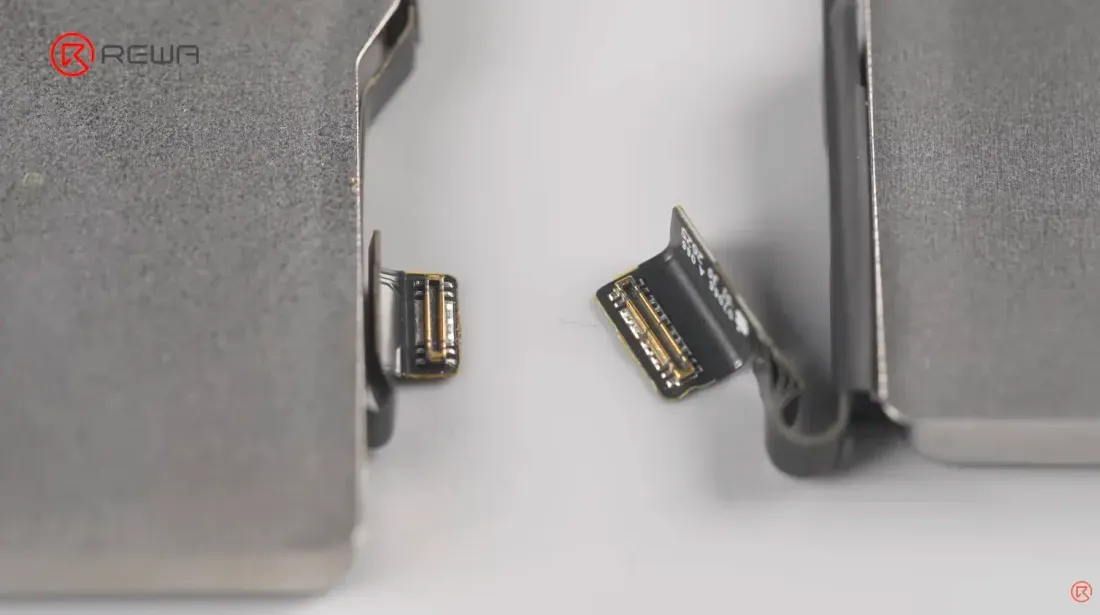
Battery efficiency and charging throughput also received a quiet boost. The iPhone 18 Pro features a 4,056 mAh battery, marking a modest 1.7 percent capacity increase over the previous generation. While the battery size growth is marginal, the inclusion of a larger battery connector suggests that Apple has successfully optimized the internal power delivery path to support faster charging protocols.
The Cost of Complexity
While these internal changes offer performance benefits, they come at a steep price for repairability. The teardown reveals that Apple has moved to a sandwiched PCB design for NAND and Power IC components, making board-level repairs substantially more difficult for independent technicians.
REWA Technology assigns a five-star difficulty rating to motherboard repairs, indicating that the device is increasingly becoming a closed system. While the screen and battery remain relatively accessible with a two-star rating, the overall complexity of the internal layout suggests that Apple is prioritizing compact, high-performance engineering over ease of maintenance. For the average user, these changes translate into a cooler, faster phone, but for the repair community, the iPhone 18 Pro represents another step toward total hardware encapsulation.