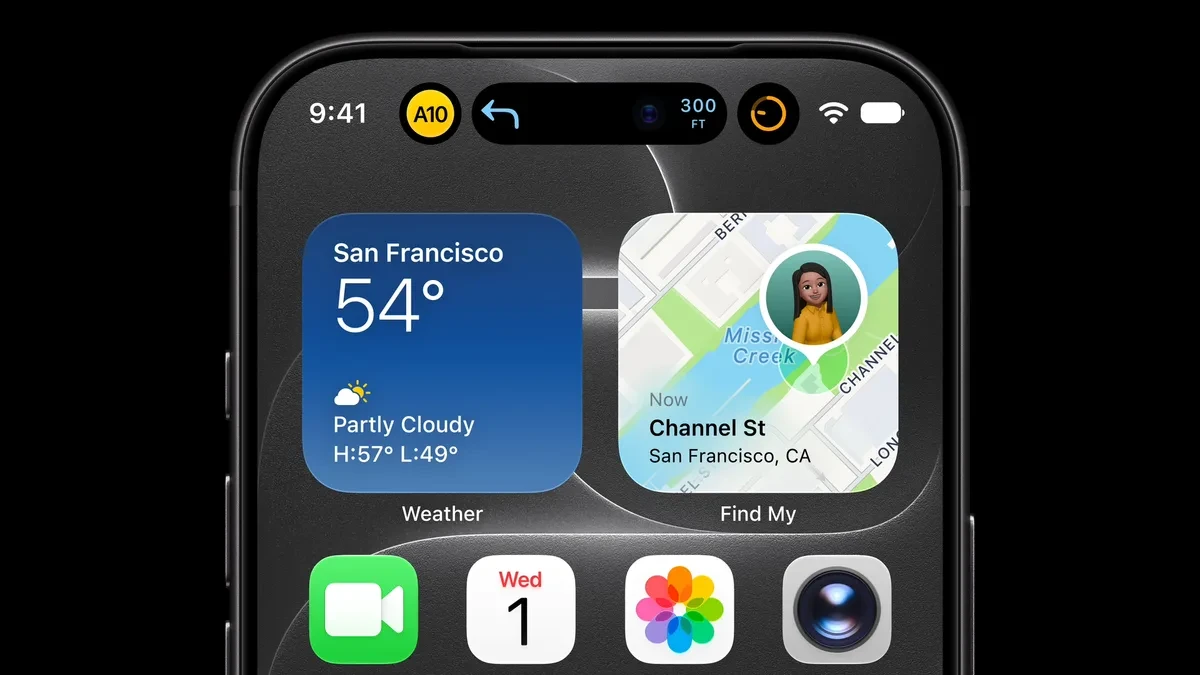
The transition to under-display technology marks a significant shift in iPhone design, but it introduces a new variable for users who prefer third-party screen protection. With the iPhone 18 Pro and Pro Max, Apple has successfully moved the infrared camera array beneath the OLED panel, resulting in a much smaller, camera-only cutout. However, this engineering achievement relies on a specific, lower-density pixel region that allows light to pass through for facial mapping.
Recent reports, including testing by technology analyst Dave Lee, indicate that this hardware change makes the device highly sensitive to the type of screen protector you choose. While clear, tempered glass options appear to work without issue, matte or etched screen protectors are causing consistent failures with Face ID recognition. The problem lies in the physical nature of these protective layers, which are designed to diffuse light to reduce glare, but inadvertently scatter the infrared patterns necessary for the sensor to function.
The Physics of the Problem
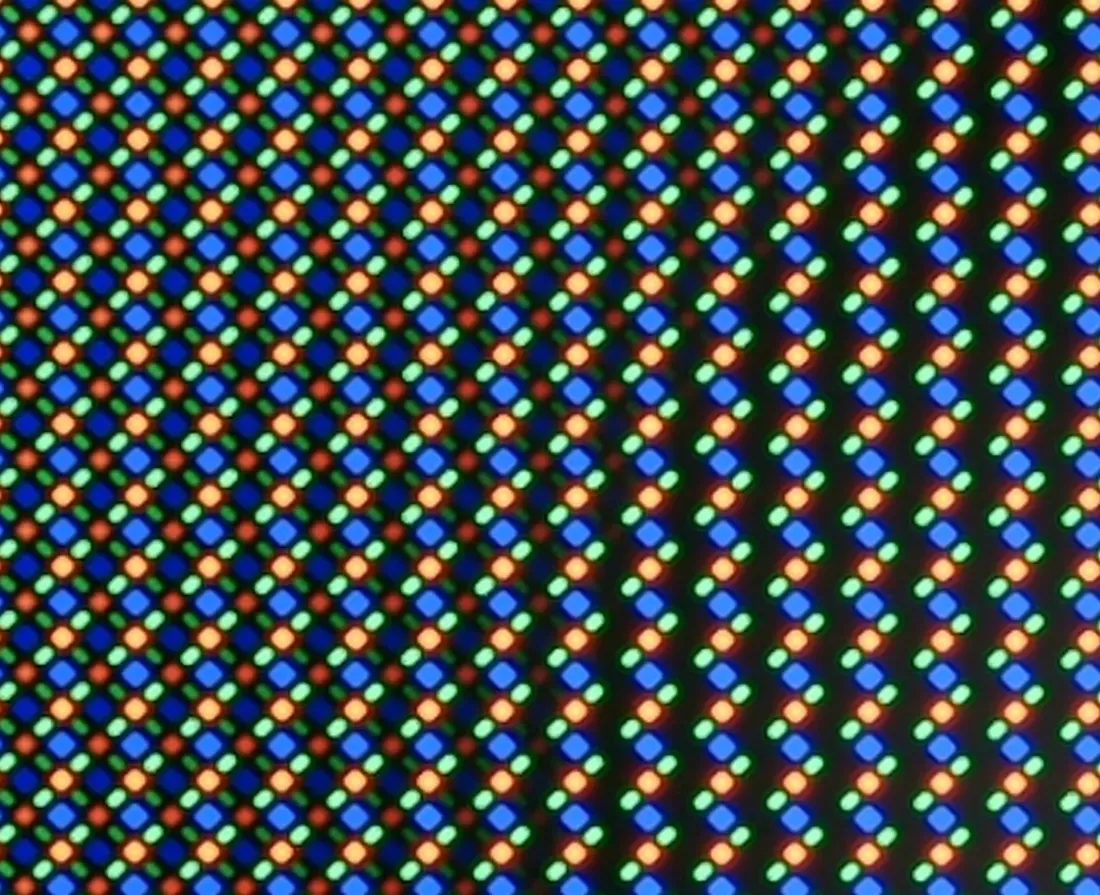
Under-display sensor technology is inherently reliant on light transmission. In the case of the iPhone 18 Pro, the IR camera must project and capture a precise pattern to map your face. When you apply a matte screen protector, the microscopic texture on the surface of the film acts as a diffuser. This scattering effect disrupts the infrared light path, effectively blinding the sensor or creating enough distortion to prevent a successful authentication attempt.
This is not an entirely new phenomenon in the mobile industry. Android devices utilizing under-display optical fingerprint sensors have long dealt with compatibility issues regarding screen protectors, particularly those with thick adhesive layers or textured surfaces. However, because Face ID is a primary security feature on the iPhone, the impact of this incompatibility is far more disruptive to the daily user experience than a slightly slower fingerprint unlock.
Choosing the Right Protection
For users who prefer the tactile feel and anti-glare benefits of matte screen protectors, the iPhone 18 Pro presents a genuine dilemma. Currently, the most reliable advice for maintaining a functional Face ID experience is to avoid matte or privacy-focused films entirely. These products, by design, interfere with light transmission in ways that the current iteration of Apple's under-display sensors cannot compensate for.
If you have already invested in a matte protector and are noticing frequent authentication errors, reverting to a high-clarity, standard tempered glass protector is the most effective solution. While the market may eventually see the arrival of specialty protectors designed with a clear, smooth cutout specifically for the sensor area, users should currently prioritize optical clarity over finish to ensure their device remains as responsive as intended.