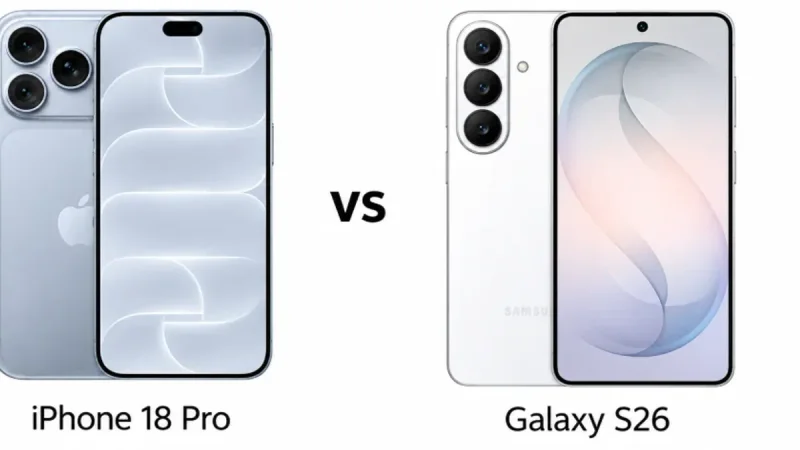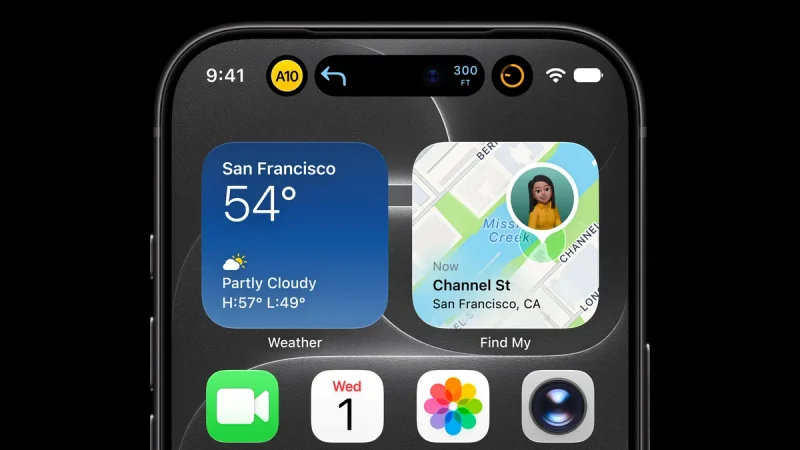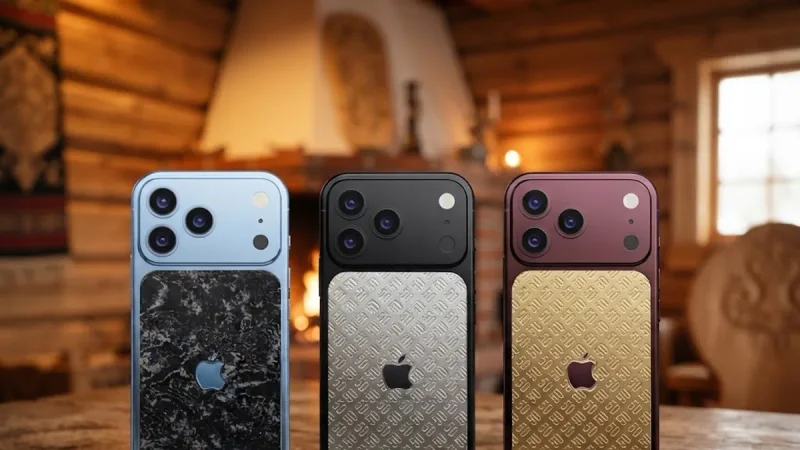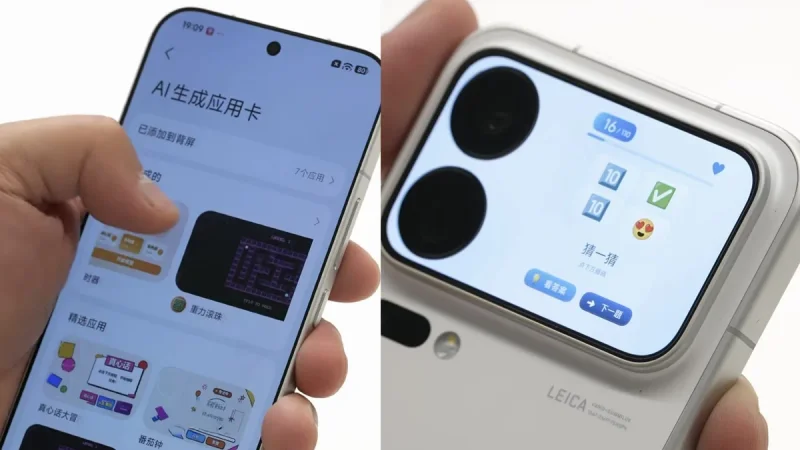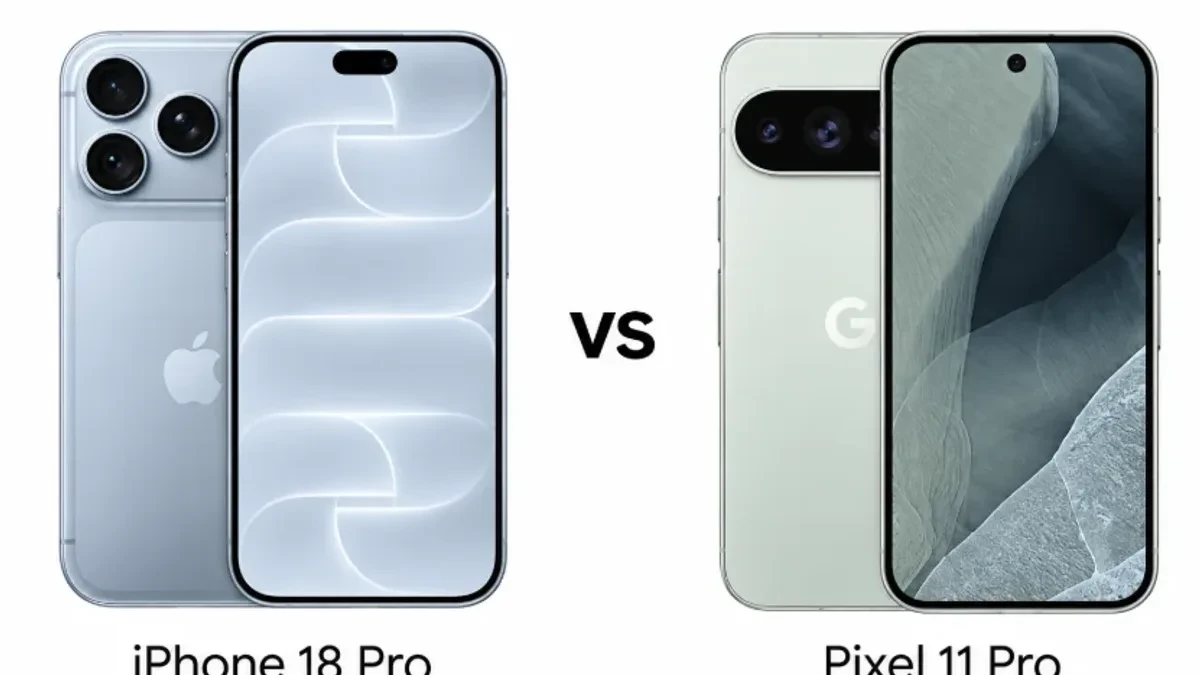
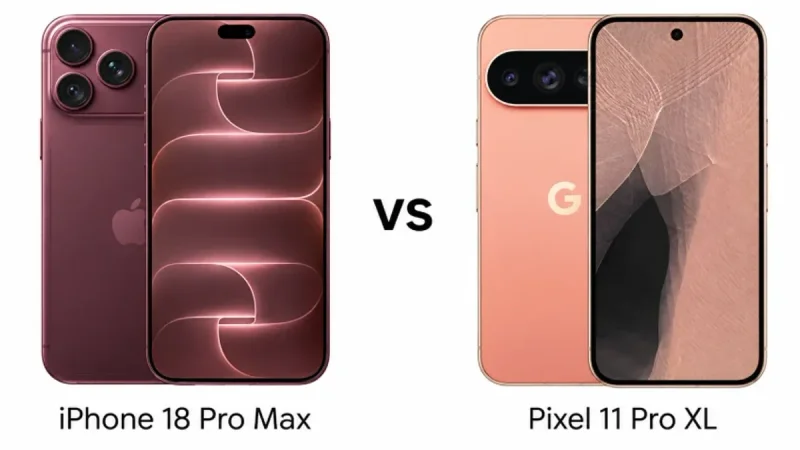
The battle for flagship supremacy has shifted from simple spec-sheet wars to a fundamental disagreement over what a premium phone should actually do. Apple, with the iPhone 18 Pro, continues to double down on raw silicon performance and a professional-grade video ecosystem. Conversely, Google’s Pixel 11 Pro leans into the strengths of computational photography, aggressive software-led AI integration, and a more accessible price point. For the discerning user, the choice is no longer just about hardware - it is about whether you prioritize Apple's refined, high-performance sandbox or Google's flexible, feature-dense Android experience.
At the heart of the iPhone 18 Pro sits the A20 Pro, a 2nm chipset that sets a high bar for mobile efficiency and sustained performance. When paired with its advanced video suite - including 4K 120fps recording, Apple Log 2, and ProRes RAW - it remains the gold standard for mobile content creators. However, the Pixel 11 Pro challenges this with the Tensor G6. While it may not win every raw benchmark, it thrives in the day-to-day, utilizing Google’s AI prowess to handle complex tasks like real-time image processing and long-term software support, promising seven major OS updates that extend the phone's relevance well beyond the standard two-year cycle.
Display and Build: Durability vs. Brilliance
Apple has opted for a sophisticated approach with the iPhone 18 Pro, utilizing Ceramic Shield 2 on both the front and rear to create a cohesive, durable chassis. Its 6.3-inch LTPO OLED panel hits a peak brightness of 3,000 nits and remains one of the most color-accurate displays on the market. The integration of Face ID remains the standard for biometric security, feeling nearly invisible in daily use.
Google counters with a panel that objectively outshines the competition on paper. The Pixel 11 Pro’s 6.3-inch OLED display reaches a staggering 3,600 nits, offering superior visibility in direct sunlight. Furthermore, Google includes an ultrasonic fingerprint sensor, a feature many power users prefer for its speed and placement flexibility. While Apple’s build feels slightly more premium in the hand, the Pixel’s display specifications offer a more vivid, high-resolution canvas for media consumption.
Camera Versatility: The Creator vs. The Computationalist
For those who view their smartphone as a primary camera, the divide is stark. The iPhone 18 Pro is a video powerhouse. Its 48MP periscope telephoto lens with 4x optical zoom is paired with a sophisticated sensor-shift stabilization system that makes handheld cinematic shots look remarkably steady. It is a tool built for those who edit and produce high-fidelity content on the go.
Google takes a different route, focusing on the "magic" of the final shot. With a 50MP main sensor, a 5x optical zoom periscope lens, and a 42MP ultrawide selfie camera, the Pixel 11 Pro is a still-photography monster. Features like Zoom Enhance and Best Take allow users to rescue photos that would otherwise be lost. If you want a phone that handles the heavy lifting of post-processing automatically, the Pixel 11 Pro is difficult to beat.
Pricing and Value Proposition
Perhaps the most significant differentiator is the entry price. The iPhone 18 Pro starts at approximately $1,200 (₹164,900), positioning itself firmly in the ultra-premium category. You are paying for the Apple ecosystem, the 2nm chipset, and the unmatched resale value of the iPhone brand.
Starting at roughly $1,100 (₹120,000), the Pixel 11 Pro delivers a larger 4,850mAh battery, faster wired charging, and a more versatile camera array for less money. For users who prioritize the best hardware-to-price ratio, the Pixel 11 Pro is the more logical investment. Ultimately, if your workflow demands the sheer processing overhead of the A20 Pro, the iPhone is the only choice. For everyone else, the Pixel 11 Pro offers a more balanced, feature-rich experience that respects both your wallet and your need for modern innovation.