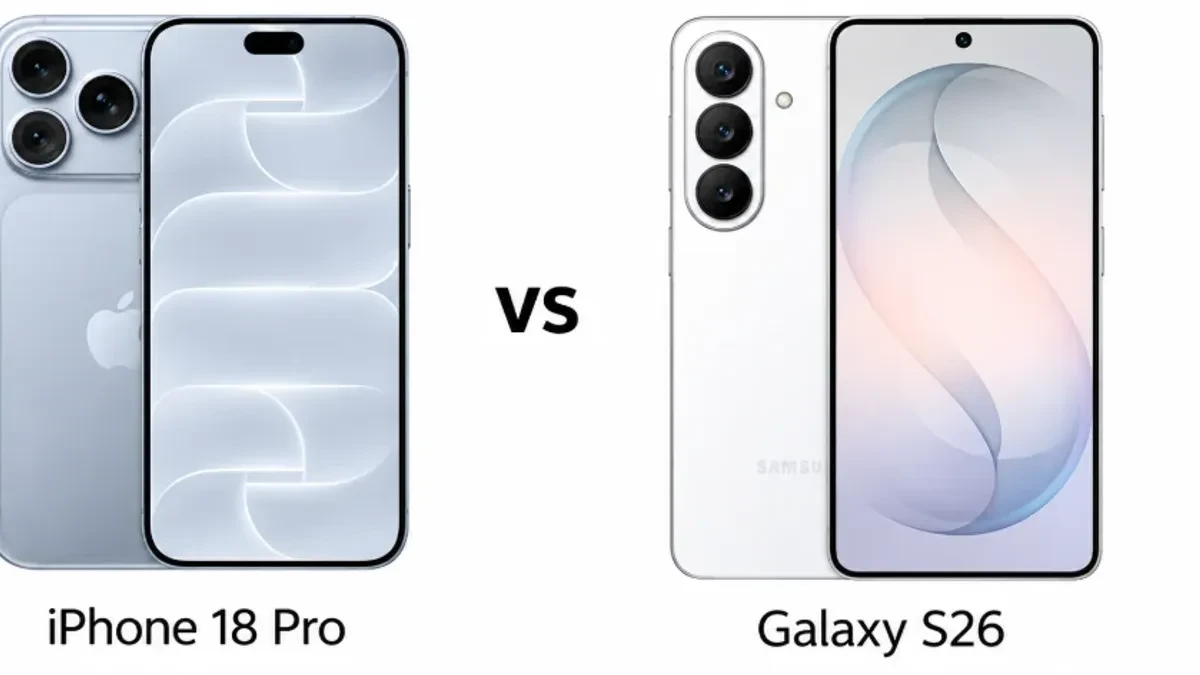
The compact flagship market is heading toward a sharp divergence in hardware priorities. Apple's upcoming iPhone 18 Pro, estimated at roughly $1,200 (around ₹164,900), doubles down on raw silicon performance and broadcast-grade camera capabilities. Meanwhile, Samsung's Galaxy S26 aims for the $900 mark (approximately ₹88,000), delivering a refined 6.3-inch phone with versatile software features and high-end display tech at a significantly lower entry cost.
For buyers deciding between these two premium options, the $300 price difference represents a clear divide in target audience. Apple positions its compact Pro model as an uncompromised pocket workstation for digital creators, while Samsung focuses on delivering high-end everyday utility without forcing consumers into four-figure pricing.
Display and Ergonomics: Brightness versus Daily Practicality
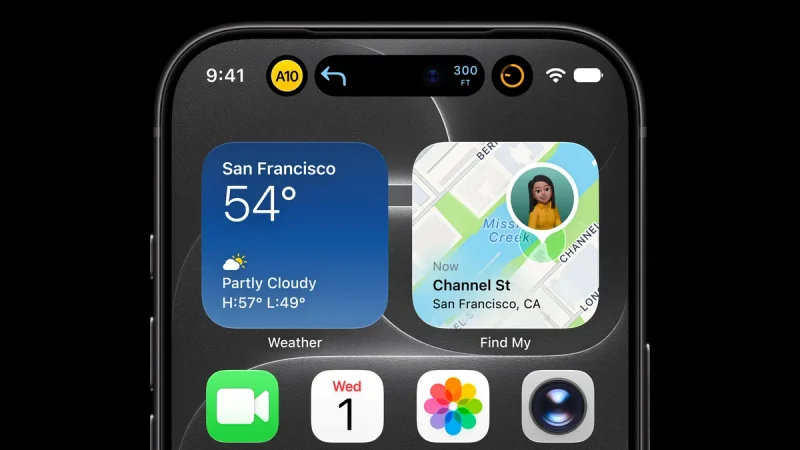
Both devices anchor their front panels with 6.3-inch LTPO OLED displays featuring dynamic 120Hz refresh rates, but their visual tuned targets differ. Apple equips the iPhone 18 Pro with a Super Retina XDR panel reaching a peak brightness of 3,000 nits, alongside full Dolby Vision support. That additional light output improves outdoor visibility under direct sunlight and produces richer contrast when viewing high dynamic range video content. The phone also utilizes Ceramic Shield 2 glass on the front panel and an IP68 rating certified for water immersion down to 6 meters.
Samsung counters with a Dynamic LTPO AMOLED 2X screen topping out at 2,600 nits and supporting HDR10+. While slightly lower in peak brightness numbers, the screen offers vibrant colors and crisp text scrolling for daily productivity. Protected by Gorilla Glass Victus 2 and an Armor Aluminum 2 frame, the Galaxy S26 emphasizes lightweight structural comfort, making it easier to hold during long single-handed typing sessions.
Processing Power and Battery Endurance
Under the hood, Apple introduces its 2nm A20 Pro processor backed by 12GB of RAM. The smaller node architecture improves computational efficiency, allowing the chip to sustain heavy workloads like local AI execution, intensive high-frame-rate gaming, and multi-track video editing without suffering immediate thermal throttling. Storage tiers range from 256GB up to a massive 2TB configuration for users managing high-bitrate media files.
Samsung equips the Galaxy S26 with either the Qualcomm Snapdragon 8 Elite Gen 5 or the Exynos 2600 chip depending on the sales region, paired with 12GB of RAM and storage options spanning 128GB to 512GB. While raw benchmark figures favor Apple's custom silicon, Samsung provides broader desktop utility through Samsung DeX, allowing users to connect the phone to an external monitor for a windowed computer interface.
On the battery front, the Galaxy S26 houses a 4,300mAh cell supporting 25W wired charging, 15W wireless charging, and reverse wireless power sharing for topping up accessories. The iPhone 18 Pro relies on a market-dependent battery capacity between 4,056mAh and 4,288mAh, but upgrades wireless speeds with 25W MagSafe and Qi2 charging capable of reaching a 50 percent charge in approximately 30 minutes.
Camera Systems: Specialized Video Tools vs Versatile Triple Lenses
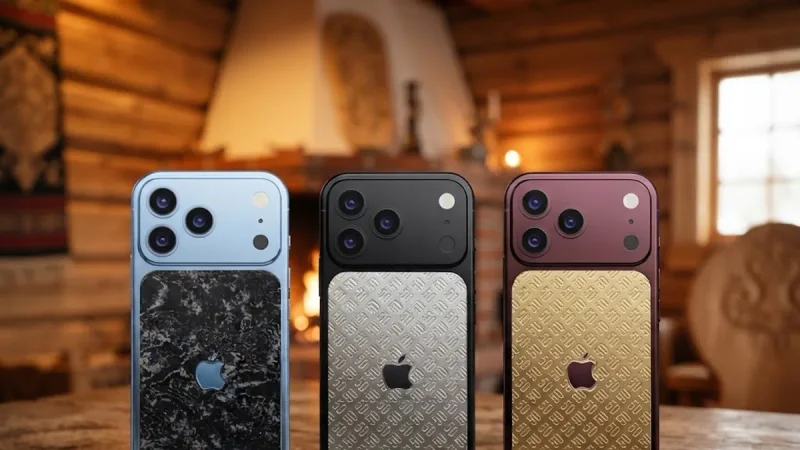
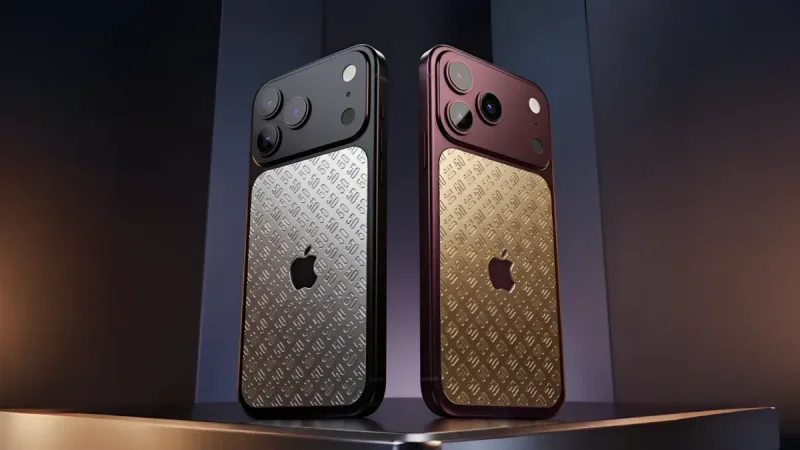
Camera hardware reveals the widest technical gap between these two compact flagships. Apple arms the iPhone 18 Pro with three 48MP sensors across its main, ultrawide, and 4x periscope telephoto cameras. The front features an 18MP ultrawide selfie camera with phase detection autofocus. Apple targets creative professionals by supporting ProRes RAW recording, Apple Log 2, spatial video capture, and up to 4K video at 120 frames per second.
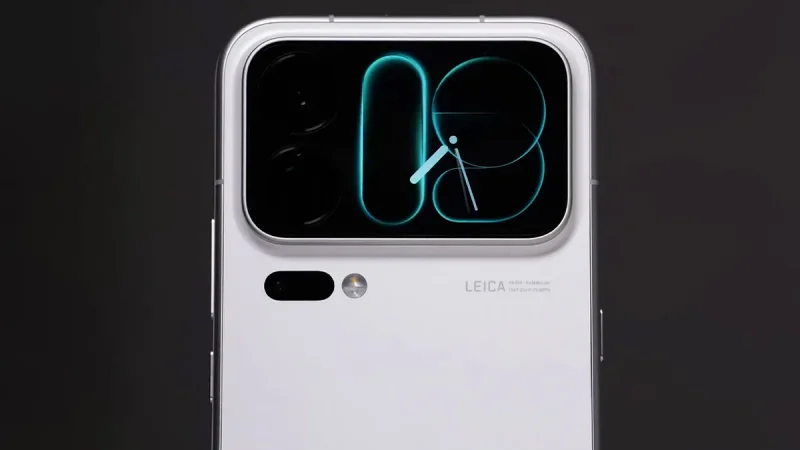
Samsung equips the Galaxy S26 with a 50MP main sensor, a 12MP ultrawide lens, and a 10MP telephoto camera with 3x optical zoom, complemented by a 12MP front sensor. While its secondary lenses carry lower megapixel counts than Apple's sensors, the Galaxy S26 supports 8K video recording at 30fps and produces vibrant, sharp photos directly out of the camera app without requiring post-processing adjustments.
Value Proposition and Software Lifecycle
Priced around $900 (roughly ₹88,000), the Galaxy S26 presents a strong value narrative for consumers who want flagship screen performance and versatile cameras without paying for specialized video gear. Samsung's policy of offering up to seven major Android OS updates also ensures extended software support over multiple years.
The $1,200 (approx. ₹164,900) iPhone 18 Pro justifies its price premium mainly for video creators, mobile power users, and buyers invested in the iOS ecosystem who benefit from 4K 120fps video recording, higher local storage capacities, and MagSafe charging accessories.