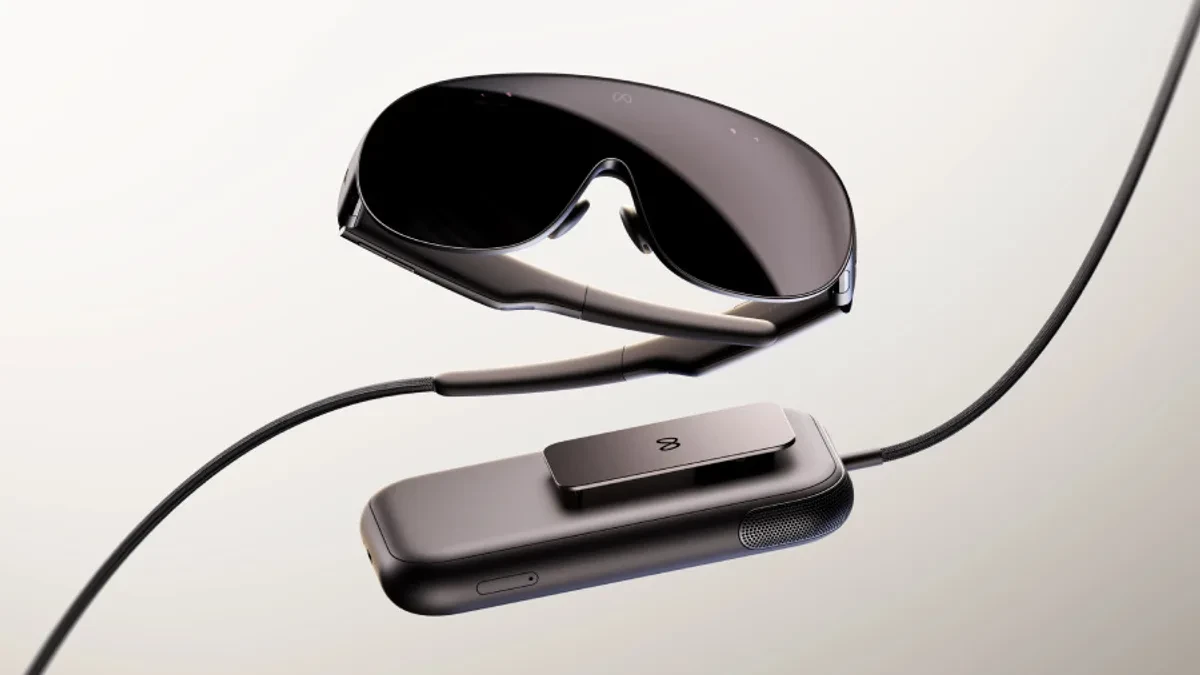
Meta has officially unveiled its highly anticipated Meta VR Glasses at the Connect conference, introducing a remarkably lightweight headset designed to eliminate the physical strain of traditional virtual reality. Priced at $1,299.99 and scheduled for release in the spring of 2027, this device tackles the industry's biggest adoption barrier by tipping the scales at just 100 grams. This physical profile makes the headset roughly one-fifth the weight of the 515-gram Meta Quest 3 and a fraction of the 600-gram Apple Vision Pro, positioning Meta as a key player in the race for comfortable spatial computing.
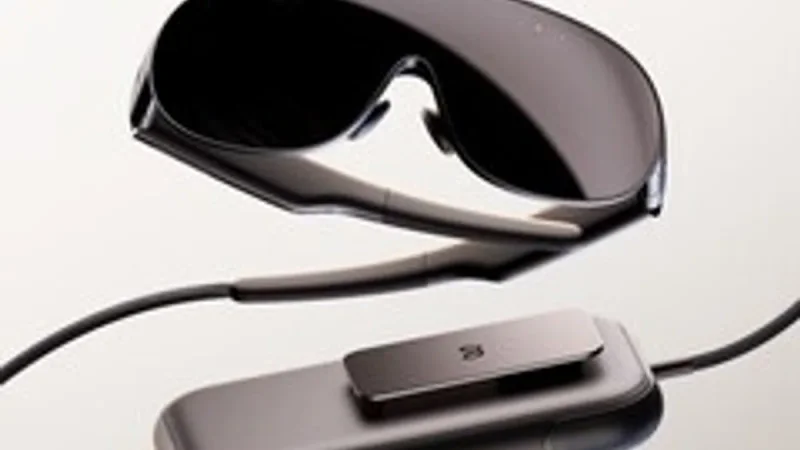
To achieve this dramatic weight reduction, Meta took a modular approach by splitting the hardware into two distinct components. The face-worn glasses house only the displays and tracking sensors, while the heavy computing tasks, processor, storage, and battery are relegated to a separate pocket-sized unit connected by a thin optical cable. This architecture allows users to clip the compute pack to a pocket or slip it into a bag, keeping the weight on the face minimal while delivering performance that rivals much bulkier headsets.
Premium Optics and the Snapdragon Reality Elite
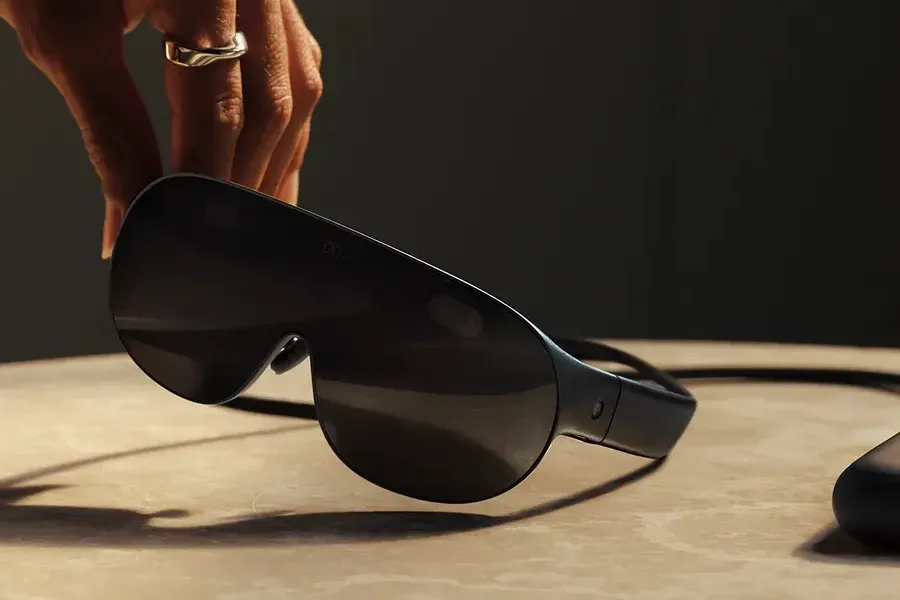
Despite its featherweight design, the Meta VR Glasses do not skimp on visual fidelity. The headset features a 5K Micro-OLED display with a density of 37 pixels per degree, paired with compact pancake lenses. This marks a significant upgrade over the LCD panels found in the Meta Quest 3, which offered 2064 x 2208 pixels per eye, aligning Meta's visual quality with the premium panels used in the Apple Vision Pro. To complement the high-resolution visuals, the glasses support Dolby Vision and Dolby Atmos spatial audio for an immersive media experience.

Under the hood, the external computing unit runs on Qualcomm's Snapdragon Reality Elite processor. The system is optimized for power efficiency, with a battery that supports up to three hours of high-resolution media playback and charges quickly via a 45W input. Navigation is entirely controller-free, relying on voice commands, eye tracking, and hand gestures. Meta has also deeply integrated its proprietary AI agent into the operating system, allowing users to launch films, open productivity apps, organize virtual workspaces, or perform web searches using natural voice prompts.
A Portable IMAX Theater and Virtual Workspace
Entertainment is a major focus for the new hardware, as the Meta VR Glasses are the first VR device to receive official IMAX Enhanced certification. Through a partnership with Disney+, subscribers in select regions will be able to watch 3D versions of blockbuster films like The Avengers and Black Panther starting in November. Viewers can watch these movies in virtual environments such as Tatooine or the Avengers Tower. Additionally, the Disney Immersive Cinema by ILM app will offer VR-enhanced versions of classic films, including Star Wars: Episode IV - A New Hope.
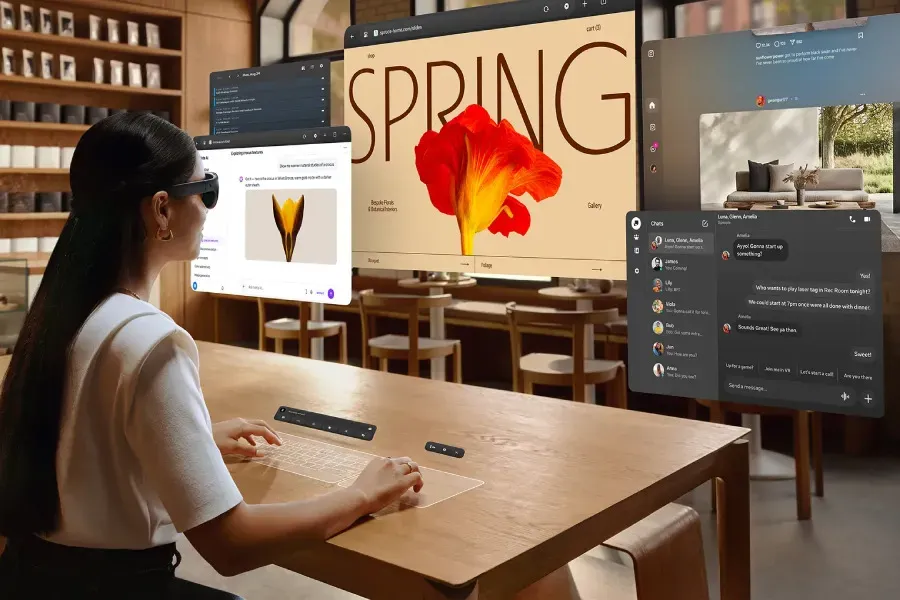
Beyond movies, sports fans can access an Immersive Sports experience developed with ESPN, featuring 8K live streams and a 180-degree field of view. Meta promises more than 100 live events per year, partnering with major leagues and broadcasters including the MLB, NBC Sports, TNT Sports, and the UFC. For productivity, the glasses project a massive virtual screen that supports multi-screen multitasking. Any flat surface, such as a physical desk, can be mapped to function as a virtual keyboard and touchpad, while full-color passthrough ensures users remain aware of their physical surroundings.
Pricing, Release Timeline, and Market Position
At $1,299.99, the Meta VR Glasses occupy a distinct middle tier in the spatial computing market. While they cost more than double the $499.99 starting price of the Meta Quest 3, they are significantly more affordable than the $3,499 Apple Vision Pro. This pricing strategy, combined with the modular lightweight design, could give Meta a substantial advantage, especially since reports suggest Apple has shelved its plans for a lighter Vision Pro in favor of basic smart glasses.
Consumers will have to wait until the spring of 2027 to purchase the Meta VR Glasses. However, the early announcement highlights Meta's long-term commitment to establishing a robust software and content ecosystem, spanning gaming, spatial productivity, and high-fidelity entertainment, well ahead of the hardware's retail debut.