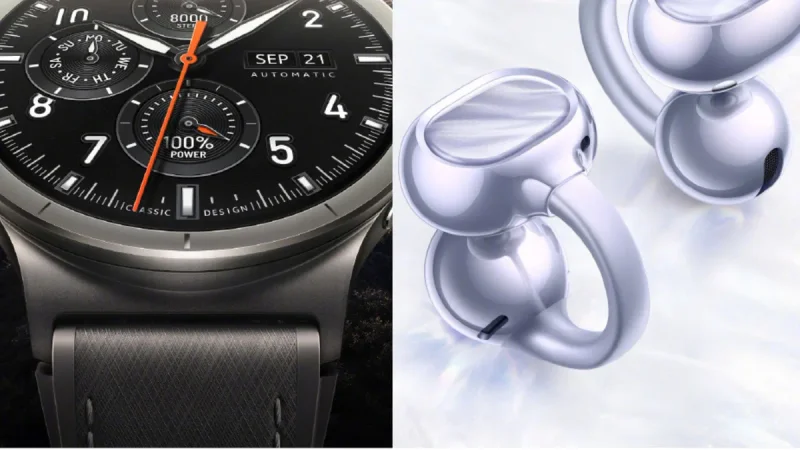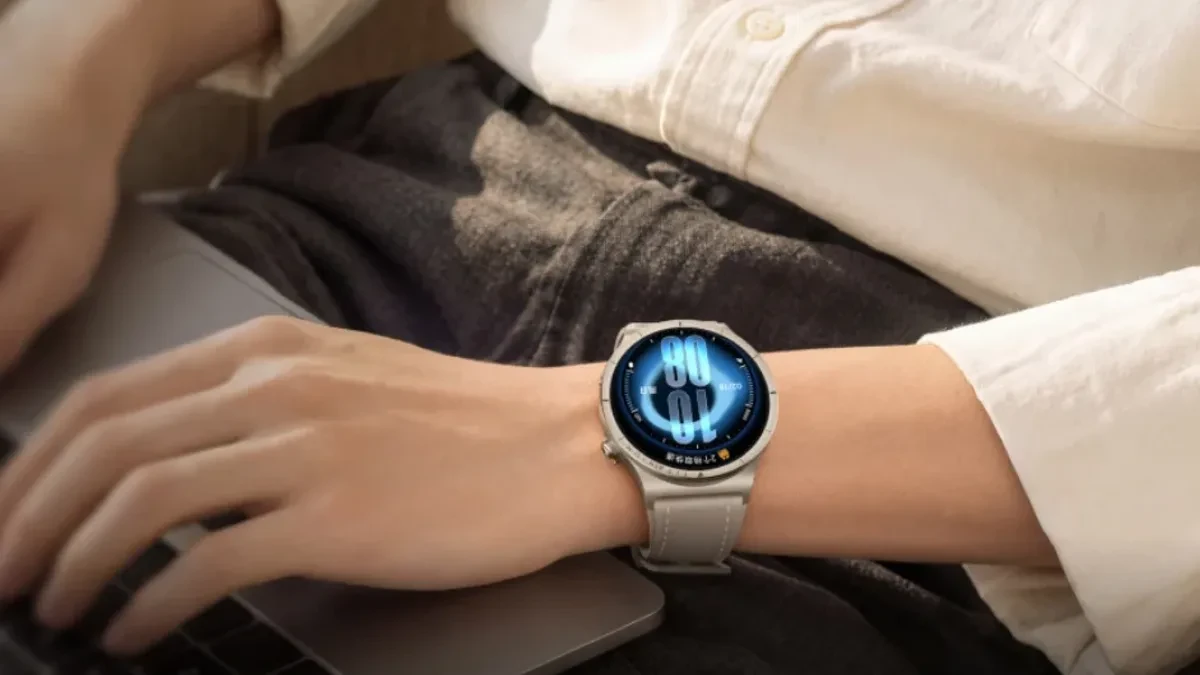
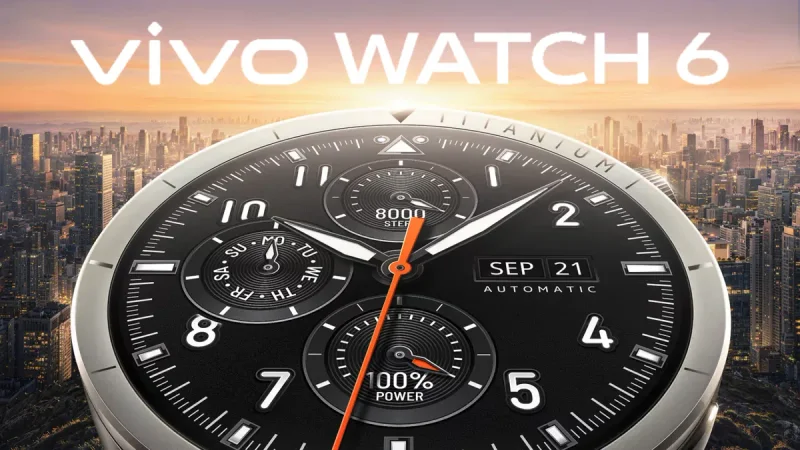
The Vivo Watch 6 is a smartwatch built around a rare value proposition: every model includes sapphire crystal protection, while pricing starts at about $149 (999 yuan). That combination matters for anyone tired of scratched watch faces but unwilling to pay flagship smartwatch prices.
Vivo offers the Watch 6 in three configurations, ranging from a Bluetooth model to an eSIM version and a lighter titanium edition. The lineup also combines a bright 1.47-inch AMOLED display, offline maps, advanced satellite positioning, health sensors, and battery estimates that reach up to 21 days under light use.
Sapphire crystal brings durability to the entry model
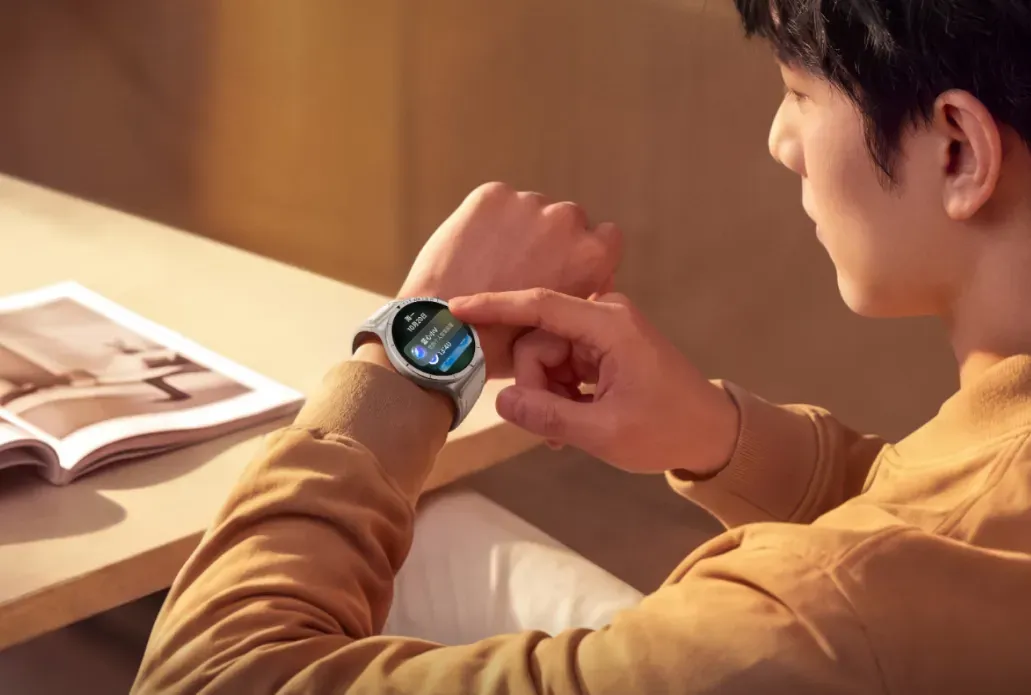
The most notable hardware decision is Vivo's use of sapphire crystal across the entire Watch 6 lineup. Sapphire is harder to scratch than conventional smartwatch glass, which should help the display survive contact with desks, door frames, and outdoor equipment more reliably over time. The base model therefore gets the same front-screen material as the premium Titanium eSIM version.
The entry-level Bluetooth model and the standard eSIM version use a 316L stainless steel case weighing 44 grams. The top-tier model uses TC4 aerospace-grade titanium and weighs 37 grams. All three versions measure 9.5mm thick, excluding the rear sensor bump. That lower weight could make the titanium model more comfortable during long workouts or overnight sleep tracking, although the source does not specify strap weights.
A display designed for bright workouts and dark rooms
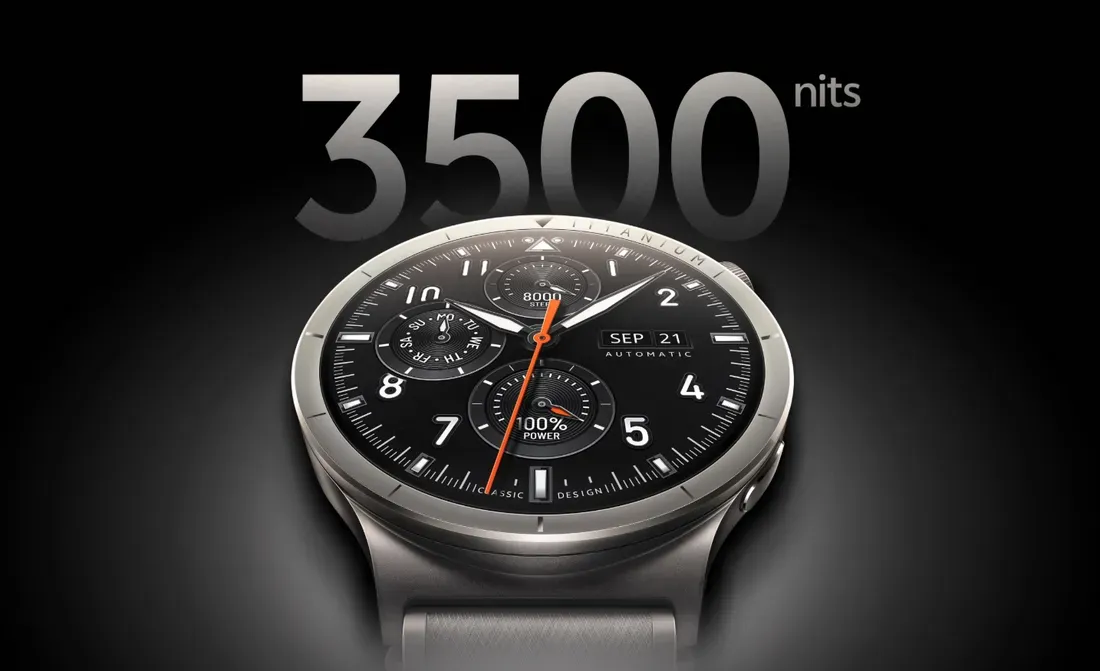
The 1.47-inch AMOLED panel runs at a standard 60Hz refresh rate. Vivo says localized brightness can reach 3,500 nits during specific outdoor workouts, a figure intended to keep workout data readable in strong sunlight. At the other end of the range, the display can dim to 2 nits for darker environments.
The always-on display uses a dynamic refresh rate between 5Hz and 30Hz rather than constantly operating at 60Hz. Lower refresh rates reduce power use when the watch is showing relatively static information, which supports the long battery estimates. The display is not designed to compete on high refresh rate, but that is less important for a watch than legibility and standby efficiency.
Navigation and health tracking go beyond the basics

For runners, hikers, and cyclists, the Watch 6 includes dual-frequency, five-system GNSS, a barometer, and offline maps. Vivo claims the updated positioning hardware improves satellite lock times by 34% and trajectory accuracy by 10%. Those improvements could reduce the frustrating delays and inaccurate route lines that often appear when a watch starts tracking in a dense urban area or near tall buildings.
The eSIM versions add passive phased-array technology and can maintain three concurrent signal paths across the L1 and L5 bands. They can also handle calls, text messages, and navigation without a paired phone. That makes the cellular models more useful for short runs, errands, or hikes where carrying a smartphone is inconvenient.
Health hardware includes eight-channel heart rate sensing and 16-channel blood oxygen sensing. The watch supports continuous heart rate, SpO2, sleep, and stress monitoring, along with more than 100 sports modes. Running form analysis and racket-sport swing tracking add more specific training information than basic step and calorie counts. Vivo claims average heart rate accuracy of 97.2% across different exercise scenarios compared with professional chest straps, increasing to 98.5% for running, walking, cycling, and hiking. All-day HRV monitoring is planned through a future software update, so it will not be available as part of the initial feature set described here.
Battery life and pricing shape the buying decision

The Bluetooth model is rated for 10 days of typical use or up to 21 days with light usage. The source material does not provide a battery estimate for the eSIM versions, so buyers should not assume that cellular connectivity will deliver the same endurance. NFC supports payments and transit, while digital car key support and Vivo's BlueLM AI assistant add convenience features for users already invested in Vivo's ecosystem.
Pricing begins at $149 (999 yuan) for the Bluetooth model. The standard eSIM version costs about $208 (1,399 yuan), while the titanium eSIM model costs roughly $298 (1,999 yuan). Global pricing and regional availability have not yet been announced.
The entry model looks particularly compelling for buyers who prioritize scratch resistance, long battery life, and fitness tracking over standalone phone connectivity. The eSIM versions make more sense for users who regularly leave their phones behind, while the titanium model charges a premium mainly for lower weight and upgraded case material. With its strongest features concentrated around durability, navigation, and endurance, the Watch 6 is less about flashy smartwatch extras and more about reducing the everyday maintenance and charging compromises that make wearables frustrating.