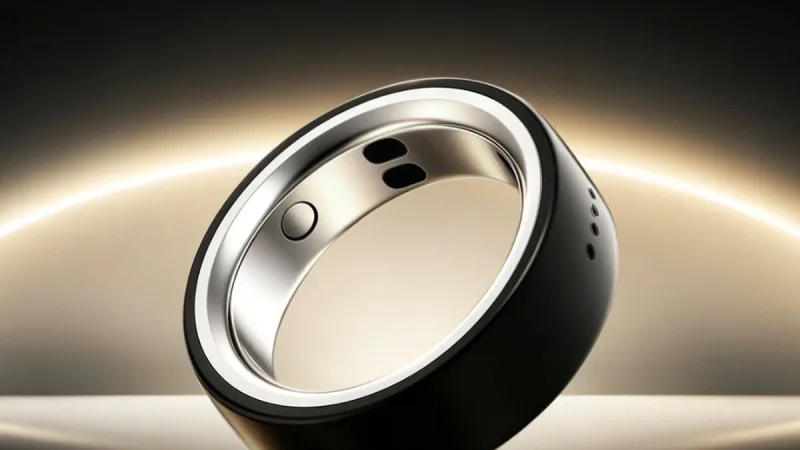
Smart rings have long struggled with a fundamental hardware dilemma: packing sufficient biometric sensors into a tiny band without forcing users to recharge every few days. The Ultrahuman Ring Pro enters the market at $479 with an aggressive promise to solve that endurance hurdle, claiming up to 15 days of continuous operation alongside a robust suite of recovery analytics and a largely subscription-free software structure.
Early review findings from T3 indicate that while the device sets a high benchmark for battery longevity and raw sensor data, real-world execution reveals notable trade-offs in exercise tracking and physical ergonomics. The wearable positions itself directly against the Oura Ring 5, but its actual utility depends heavily on whether you prioritize sleep metrics over active workout tracking.
Two-Week Endurance Without Mandatory Monthly Fees
Battery performance stands out as the primary selling point for the Ring Pro. During independent testing by T3, the ring retained 53 percent of its charge after nearly nine days of continuous use in the low-power Chill Mode. Even when switched to the sensor-intensive Turbo Mode, projected battery life comfortably exceeded twelve days. This places the advertised 15-day ceiling within realistic reach under typical usage, easily surpassing competitors like the Oura Ring 5, which averaged roughly six days in previous tests with continuous SpO2 monitoring active.

Complementing the hardware stamina is a consumer-friendly base pricing model. Unlike several key rivals that require ongoing payments to view basic sleep analysis, resting heart rate, heart rate variability (HRV), and skin temperature, Ultrahuman provides core health and recovery tracking without a mandatory recurring fee. However, the ecosystem is not entirely free of monetization. Advanced features, such as the Jade Pro artificial intelligence assistant and select PowerPlugs modular health add-ons, require separate subscriptions. Users who stack multiple paid modules could find their long-term expenses matching or exceeding traditional subscription models.
Novel Health Metrics and Practical Value Questions
Ultrahuman has expanded its software dashboard with specialized recovery algorithms. Beyond standard sleep stages and nocturnal vitals, the platform introduces metrics such as Ultra Age for biological age estimation, Pulse Age to assess arterial blood flow dynamics, and Brain Waste Clearance to measure restorative cognitive recovery during deep sleep phases.
While these proprietary indicators offer deep diagnostic intrigue, initial testing notes that several metrics suffer from steep interpretation curves. Without clear, actionable recommendations to contextualize what a fluctuating score means for daily routines, some of the data risks serving as novelty rather than practical guidance for everyday recovery management.
Fitness Tracking Hiccups and a Bulkier Titanium Chassis

Where the Ultrahuman Ring Pro stumbles most noticeably is active workout tracking. In testing, the device repeatedly struggled with automated activity recognition, occasionally missing daily outdoor walks entirely or logging activities with erratic accuracy. Movement sessions were also observed rounding into broad five-minute intervals rather than capturing precise start and stop points. For users who rely on automatic workout detection without manual app logging, the Oura Ring 5 continues to deliver a more reliable experience.
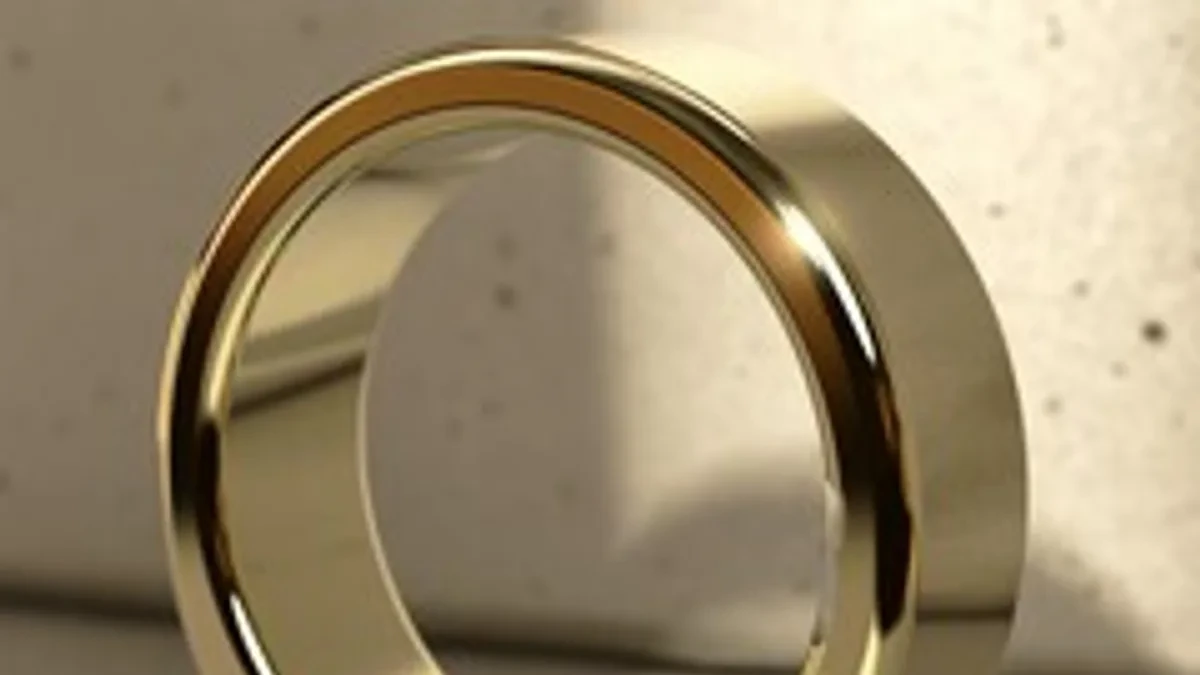
The physical footprint of the Ring Pro also demands consideration. Built with a durable titanium exterior, the ring measures 2.65 mm in thickness and weighs between 3.3 and 4.8 grams depending on the selected size. While structural integrity and finish quality receive high marks, the added mass makes the Ring Pro noticeably thicker and heavier on the finger than both the slimmer Ultrahuman Ring Air and the Oura Ring 5.
Market Fit and Final Assessment
The Ultrahuman Ring Pro delivers a compelling proposition for users seeking a durable, low-maintenance recovery tracker that can survive two weeks away from a charger without locking foundational data behind a monthly paywall. However, those requiring precision exercise logging or an ultra-discreet profile on the finger may find its bulk and software detection quirks harder to overlook.