Charging an outdoor smartwatch every few days is an awkward limitation when the device is meant for long hikes, expeditions and remote travel. Amazfit's reportedly upcoming T-Rex Dual Solar could address that problem with photovoltaic panels on both sides of the watch and a claimed maximum endurance of 180 days. Global pricing and availability have not yet been announced.
The figures come from a now-deleted Spanish listing reportedly captured by Wearable Fans. Amazfit has not confirmed the T-Rex Dual Solar, its specifications or even the product's launch plans, so the leaked battery claims should be treated as provisional rather than purchase guidance.
Two solar panels target the biggest outdoor-watch annoyance

The unusual feature is a dual-panel solar system. The front display is reportedly paired with a photovoltaic panel, while a larger ceramic-glass panel is integrated into the rear of the case. The arrangement could give the watch more opportunities to collect light than a conventional outdoor smartwatch, particularly when the display is facing away from the sun.
That does not mean users can assume the watch will run indefinitely. Solar performance depends on exposure, brightness, activity tracking and the watch's power demands. Still, the reported endurance figures are substantial: about 25 days in typical use, increasing to 40 days in an outdoor mode with hourly GPS updates. With regular exposure to bright sunlight, the rear panel is said to extend total endurance to as much as 180 days.

For hikers and travelers, the practical benefit is less about never charging at all and more about reducing the need to plan around a cable. A long trip could become easier to manage, although the leak does not explain how much daily sunlight is required to reach its highest claim.
Rugged materials and navigation features fill out the package

The leaked specification sheet describes a 1.32-inch AMOLED display with peak brightness of 3,000 nits. That brightness figure, if accurate, should help with readability in strong daylight, where reflective glare can make darker watch screens difficult to use. The listing also mentions a titanium case, sapphire crystal and physical buttons, a combination aimed at outdoor durability and operation when fingers are wet, cold or gloved.
The watch is reportedly rated for temperatures between -30°C and 70°C. It is also said to include an LED flashlight with a boost mode, which could be useful for checking gear, finding a trail marker or handling a minor task after dark without reaching for a phone.
Navigation support is another reported focus. The T-Rex Dual Solar is said to support six satellite systems and wrist-based maps, alongside weather and barometric-pressure alerts. Health and training tools reportedly include heart-rate monitoring, blood-oxygen tracking and workout metrics. The source material does not specify the supported activities, map regions, sensor accuracy or whether the maps require a phone connection.
How it could challenge Garmin's endurance strategy
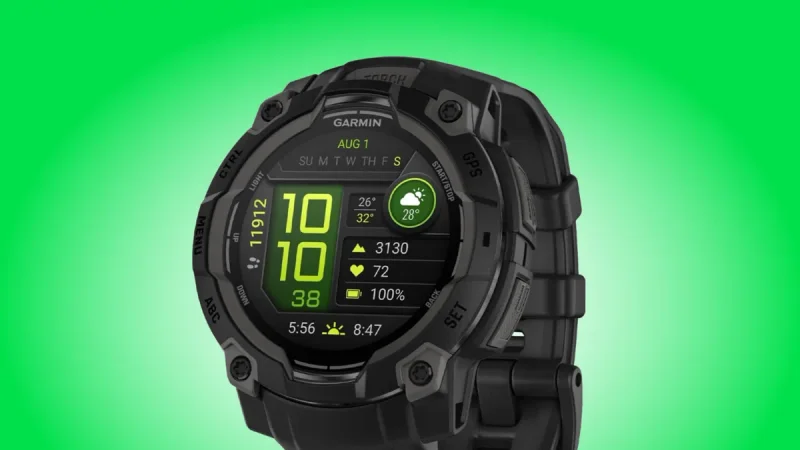
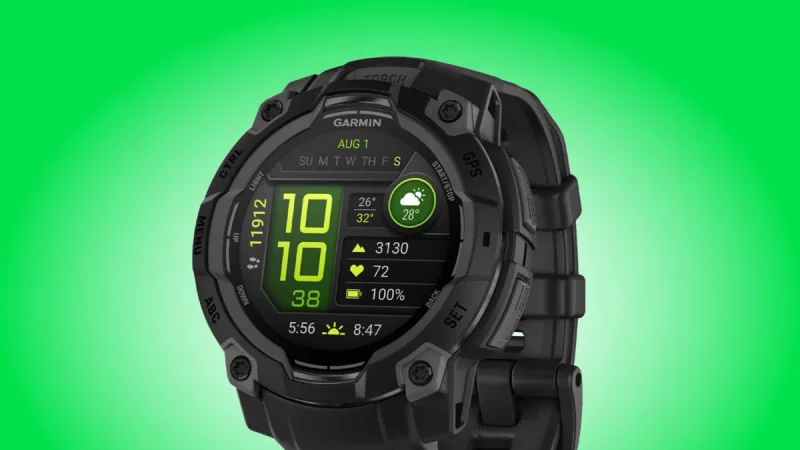
The closest comparison in the supplied material is Garmin's Enduro 3, which can reach up to 90 days under specified conditions. Amazfit's reported 180-day figure would therefore be twice as long on paper, but the comparison needs caution. The two brands may use different testing conditions, activity settings and definitions of solar-assisted endurance.

Battery claims at this scale are especially sensitive to use. Frequent GPS recording, a bright AMOLED display, health monitoring and flashlight use can all increase consumption. The T-Rex Dual Solar's 25-day typical-use estimate is the more relevant figure for many buyers, while the 180-day claim appears to describe a best-case solar scenario rather than ordinary smartwatch operation.
Pricing, release status and who should wait
There is no confirmed price or release date in the leaked material. Global pricing and regional availability have not yet been announced. Amazfit has also not confirmed model A2570, which regulatory filings have reportedly linked to the device.
Outdoor users who prioritize long battery life, physical controls and navigation should keep the T-Rex Dual Solar on their watch list, but should wait for official details before judging its value. The most important unanswered questions include the solar charging rate, water resistance, map functionality, charging connector, software support and real-world endurance with continuous GPS.
The concept is compelling because it targets a clear weakness in feature-rich outdoor watches: they can track an expedition well, but still require regular access to a charger. If Amazfit can turn its dual-panel design into dependable day-to-day energy savings, the T-Rex Dual Solar could offer a meaningful alternative to established endurance watches. Until the company confirms the hardware, however, the 180-day figure remains an attractive claim rather than a verified capability.