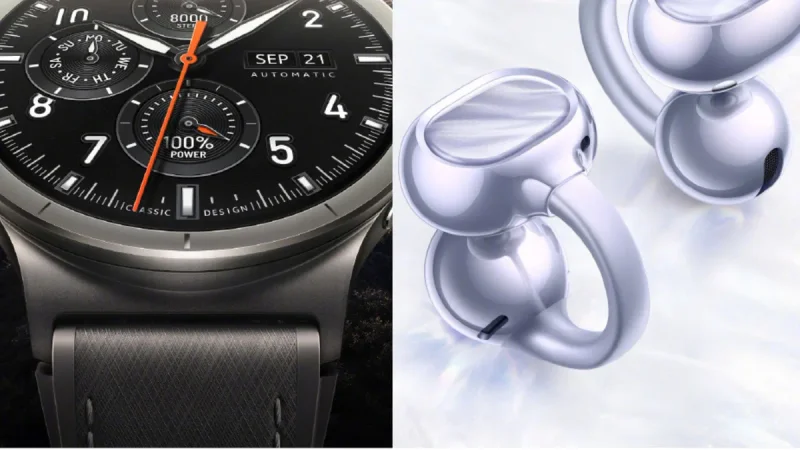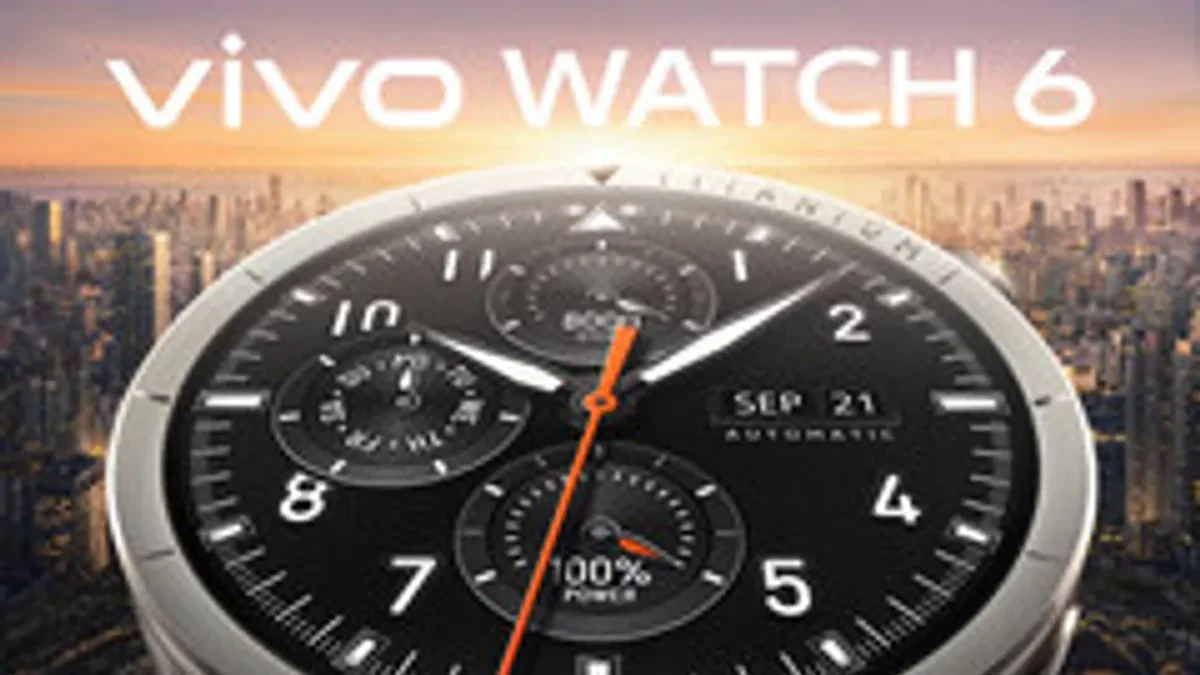
Vivo's Watch 6 is a high-end smartwatch designed to reduce charging interruptions, starting at approximately $149 (CNY 999) in China. Its headline feature is a 3,500-nit AMOLED display, while a 505 mAh battery can last up to 21 days with light use. That combination makes the watch particularly relevant for users who want a bright, traditional-looking wearable without charging it every night.
The Watch 6 is available in Bluetooth and Wi-Fi configurations, with optional eSIM connectivity and a more expensive titanium case. Vivo has not announced international availability, so the watch's strongest appeal currently depends on whether buyers can access it outside China and how its BlueOS software works with their phones.
A bright display built for outdoor visibility

The circular AMOLED panel measures 1.47 inches and delivers a 466 x 466-pixel resolution. Its peak brightness of 3,500 nits should make notifications, watch faces and workout information easier to read in strong sunlight, where dimmer smartwatch screens often require users to shade the display with a hand.
Vivo has kept the refresh rate at 60 Hz, so the Watch 6 does not chase the higher refresh rates found on some modern phone displays. That is unlikely to be a major issue on a watch, where glanceability and battery endurance matter more than rapid animation. The claimed 1.49 mm bezel on all sides also leaves the screen with a relatively large visual area within the circular design.

The watch uses a 45 mm case and measures 9.5 mm thick. Depending on the selected version, it weighs between 38 g and 44 g. Those figures point to a wearable that aims for a conventional wristwatch presence rather than the lighter, smaller profile some users prefer for sleep tracking or narrow wrists.
Battery life depends heavily on the features enabled

Vivo rates the Watch 6 for up to 21 days of light usage from its 505 mAh battery. That is the most important practical advantage in the specification list: users taking a trip or spending several days away from a charger should have more flexibility than with watches that need frequent top-ups.
That headline figure comes with clear conditions. Activating the always-on display reduces the official estimate to six days, while regular eSIM use brings it down to up to seven days. The difference shows why buyers should treat 21 days as a light-use maximum rather than an everyday expectation. The Watch 6 still appears positioned for longer endurance than many feature-heavy smartwatches, but the brightest and most continuously visible configuration will require substantially more frequent charging.
Connectivity, materials and phone support
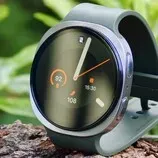
The entry model costs CNY 999, or approximately $149, and includes Bluetooth and Wi-Fi connectivity. It comes in Moonlight and Wilderness stainless steel finishes. A version with eSIM connectivity costs CNY 1,399, approximately $209, in the same finishes. The top configuration combines eSIM with a titanium case for CNY 1,999, or approximately $299.
eSIM support gives the cellular model more independence from a paired phone, although the source material does not specify carrier compatibility or supported mobile networks. Buyers should therefore confirm local eSIM support before considering the more expensive version. The watch is compatible with both Android and iOS devices, broadening its potential audience beyond Vivo phone owners.
BlueOS powers the Watch 6, and the case carries an IP68 rating. The operating system and water-resistance rating make the watch suitable for ordinary daily wear, but the source does not detail its app catalogue, health sensors, workout modes or software update policy. Those omissions matter because long battery life alone does not determine whether a smartwatch is useful over several years.
Should you wait for an international release?
The Watch 6 is most compelling for shoppers who value outdoor screen visibility, multi-day battery life and a more traditional circular case. The $149 entry price in China is also relatively accessible for a watch with a high-brightness AMOLED display, while the $209 eSIM model may appeal to users who want cellular connectivity without moving to the titanium tier.
Potential buyers should be more cautious if they rely on always-on display use, need confirmed carrier support or expect a fully documented smartwatch ecosystem. With always-on display enabled, the quoted battery life falls to six days, and international pricing and availability remain unknown.
For now, the Vivo Watch 6 stands out less for adding more features than for balancing an exceptionally bright display with unusually long stated endurance. Its China launch establishes a clear value proposition, but the watch's broader case will depend on global software support, cellular compatibility and confirmed regional pricing.