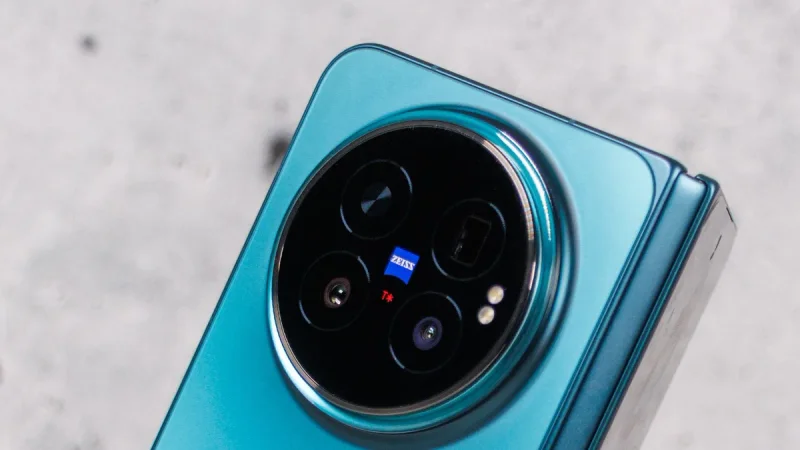
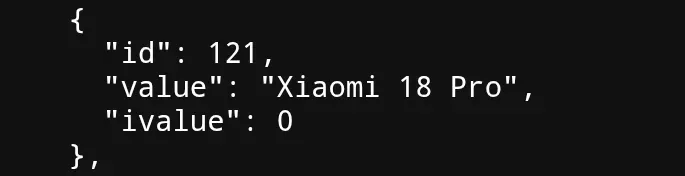
A newly surfaced Geekbench 7 benchmark listing for an unreleased Xiaomi device, identified by model number M610BB, has provided the tech community with an early look at what is expected to be the Xiaomi 18 Pro. Running on early software builds based on Android 17, the test listing explicitly ties the device hardware to Qualcomm's upcoming flagship application processor, the Snapdragon 8 Elite Gen 6 (designated internally as SM8950). While top-end processing speeds look remarkably capable on paper, the listing reveals an intriguing architectural choice that may reshape how buyers view tier progression across flagship lineups.
While official launch dates, regional market distribution, and global pricing have not yet been announced by Xiaomi, early performance leaks offer valuable clues about the silicon strategy behind the next hardware cycle. The benchmark test highlights aggressive CPU clock frequencies paired with 16 GB of physical memory (listed as 14.8 GB usable system memory). However, closer inspection of the graphics processing unit reveals a subtle hardware distinction that separates the mainstream Pro model from its larger sibling.
Clock Speeds and Silicon Architecture
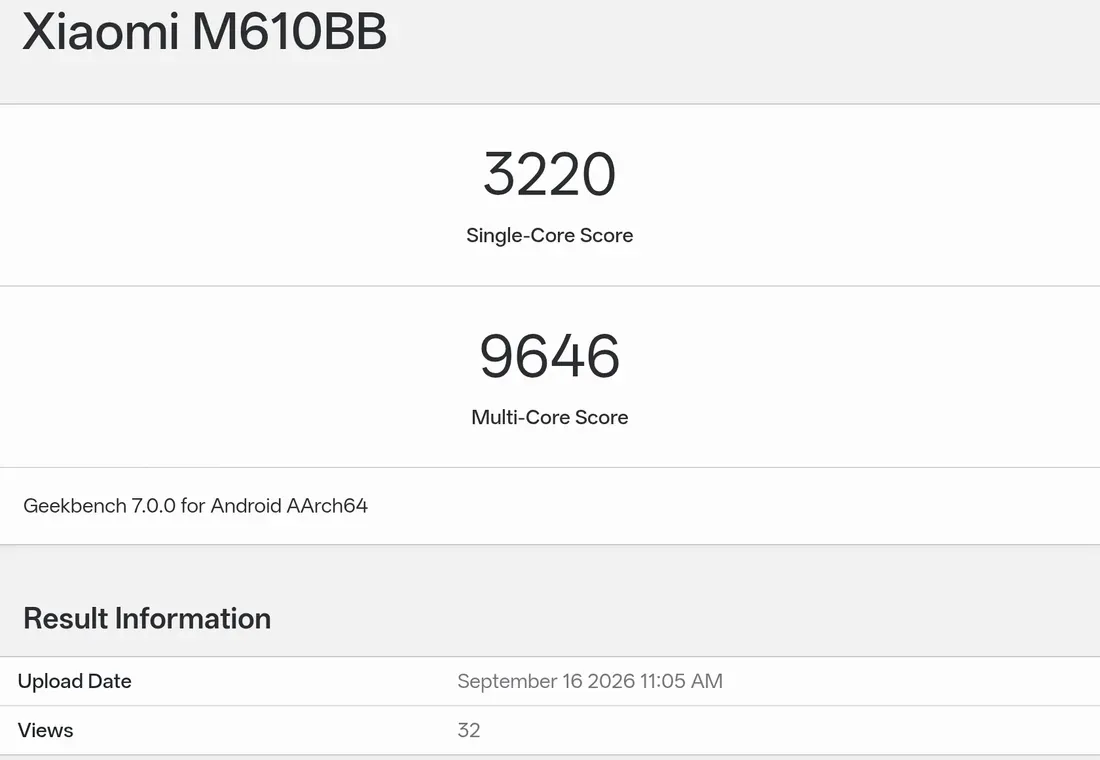
The Geekbench 7 hardware breakdown shows that the Snapdragon 8 Elite Gen 6 inside the Xiaomi 18 Pro utilizes an 8-core CPU cluster arranged in a 3+3+2 configuration. This architecture features a base cluster running at 3.74 GHz, a middle performance cluster clocked at 4.03 GHz, and two high-performance prime cores reaching an impressive maximum frequency of 5.01 GHz. Supported by this aggressive clock speed scaling, the prototype registered a single-core score of 3,220 and a multi-core score of 9,646.
Interestingly, these CPU core layouts and clock speeds appear virtually identical to higher-tier silicon variants like the Snapdragon 8 Elite Extreme Gen 6 (SM8975). In previous generations, performance-boosted chipsets like Qualcomm's "for Galaxy" or "Leading Edition" offerings achieved distinction by driving both CPU core speeds and graphics frequencies higher. In contrast, this upcoming generation seems to align CPU compute capabilities across tiers, shifting the primary point of hardware differentiation almost entirely to the graphics processing domain.
The GPU Strategy and Gaming Implications
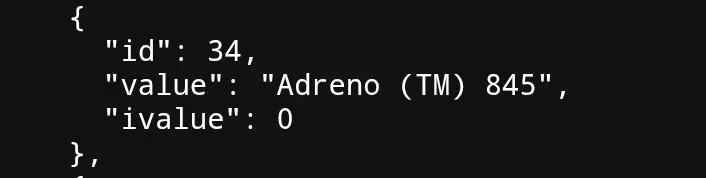
According to the hardware strings extracted from the test run, the SM8950 platform housed inside the Xiaomi 18 Pro pairs its high-frequency CPU with an Adreno 845 GPU. Meanwhile, rumors and system listings point toward an Adreno 850 GPU dedicated to the top-tier Xiaomi 18 Pro Max, which is expected to utilize the SM8975 silicon.
This tiering strategy creates a subtle divide for prospective buyers. While daily system responsiveness, multitasking, application load times, and heavy background processing should remain essentially identical between the Pro and Pro Max models, mobile gamers demanding sustained graphics throughput might find the upper-tier GPU necessary for peak frame rates at maximum render resolutions. Moving graphics execution units or compute units to a higher chip tier allows Qualcomm to better manage thermal envelopes and yield rates, but it leaves the standard Pro model with a slightly toned-down graphics foundation.

Synthetic Benchmarks Versus Daily Reliability
It is crucial to treat early benchmark listings with reasonable editorial caution. Pre-production testing hardware often runs unoptimized drivers, aggressive thermal management profiles, or unpolished background software that does not reflect final consumer builds. Furthermore, synthetic testing suites like Geekbench focus heavily on short, bursty workloads that measure peak theoretical output rather than sustained thermal throttling during prolonged gaming sessions.
As development progresses toward an official unveiling, driver refinement and firmware optimization will likely adjust final performance metrics. How well Xiaomi manages heat dissipation across its vapor chamber cooling assemblies will play a far greater role in real-world performance than initial benchmark runs suggest. For now, the leak paints a clear picture of Qualcomm's evolving silicon lineup, where graphics capability serves as the main divider between premium flagship tiers.