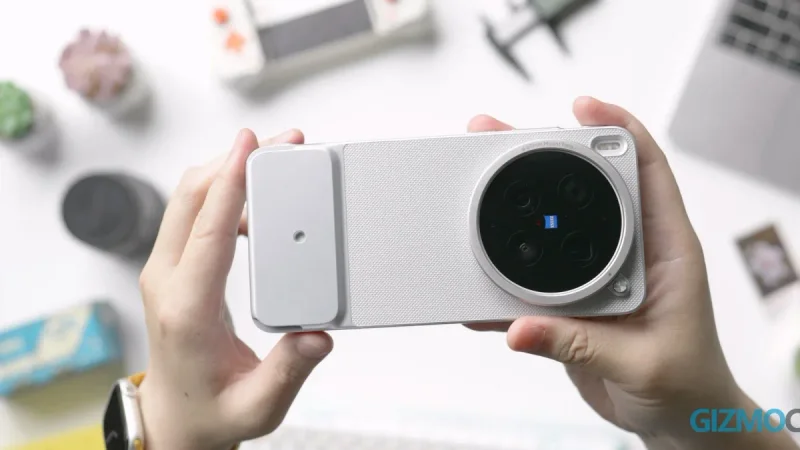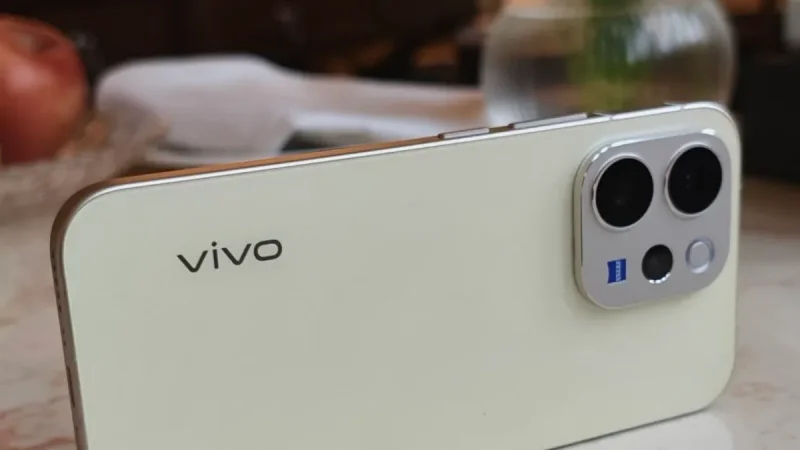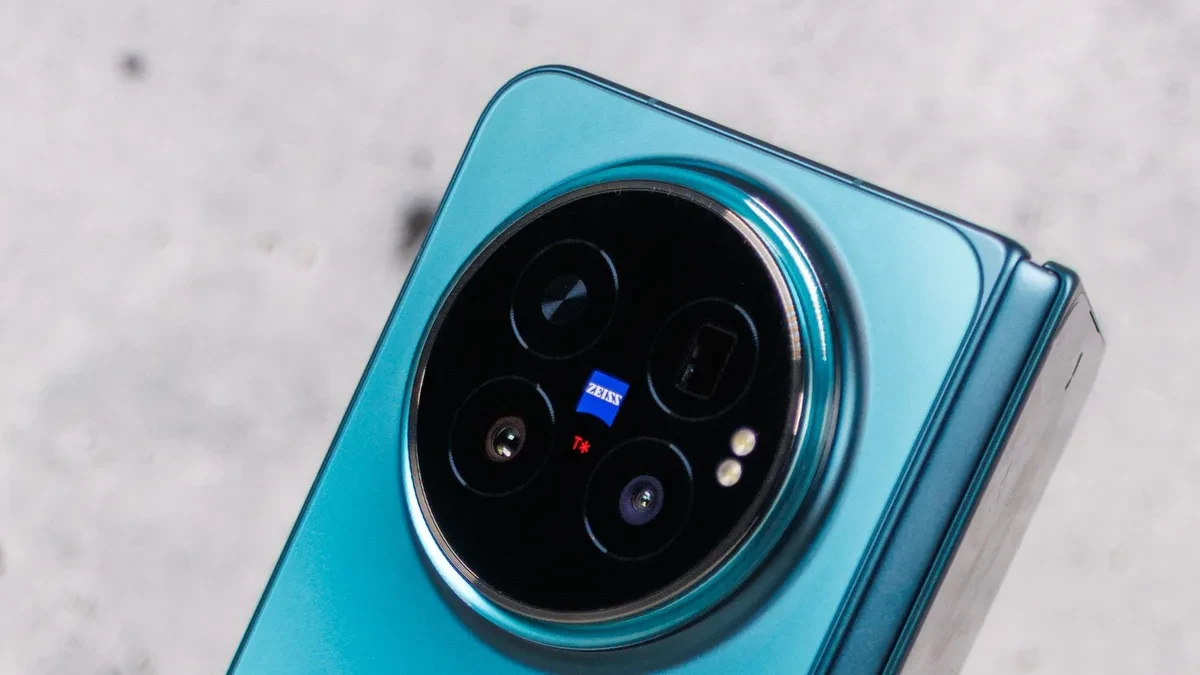
Benchmark numbers are supposed to offer an objective preview of a smartphone's raw hardware potential, but synthetic peak scores do not always reflect real-world thermal endurance. Independent analysis of the Vivo X Fold6 powered by the MediaTek Dimensity 9500 chipset revealed that the device aggressively ramps up performance profiles when detecting recognized benchmark suites, yielding artificial score boosts of up to 54 percent over unoptimized applications.
While the Vivo X Fold6 delivers capable daily performance, findings from testing firm UL and reviewer benchmarks highlight a persistent industry practice: overriding normal heat management boundaries strictly to maximize publicity figures. For buyers spending top tier flagship money, this disparity between synthetic claims and sustained practical performance raises important questions about transparency and long-term device stability.
How the Benchmark Detection Trick Was Uncovered
During routine stress testing on the Vivo X Fold6, standard 3DMark test runs unexpectedly aborted after only a few loops. While initial suspicion pointed toward thermal overload causing safety shutdowns, benchmark developer UL provided a customized, disguised version of the 3DMark application to test whether hardware behavior was tied to app detection.

When executed through the disguised application, which prevents the operating system from recognizing the benchmark process name, the Vivo X Fold6 completed every stress test loop without crashing. The disguised build bypassed the specialized, aggressive power profile that the system software automatically injects when standard testing apps from the Google Play Store are launched.
A 50 Percent Performance Gap in Disguised Testing
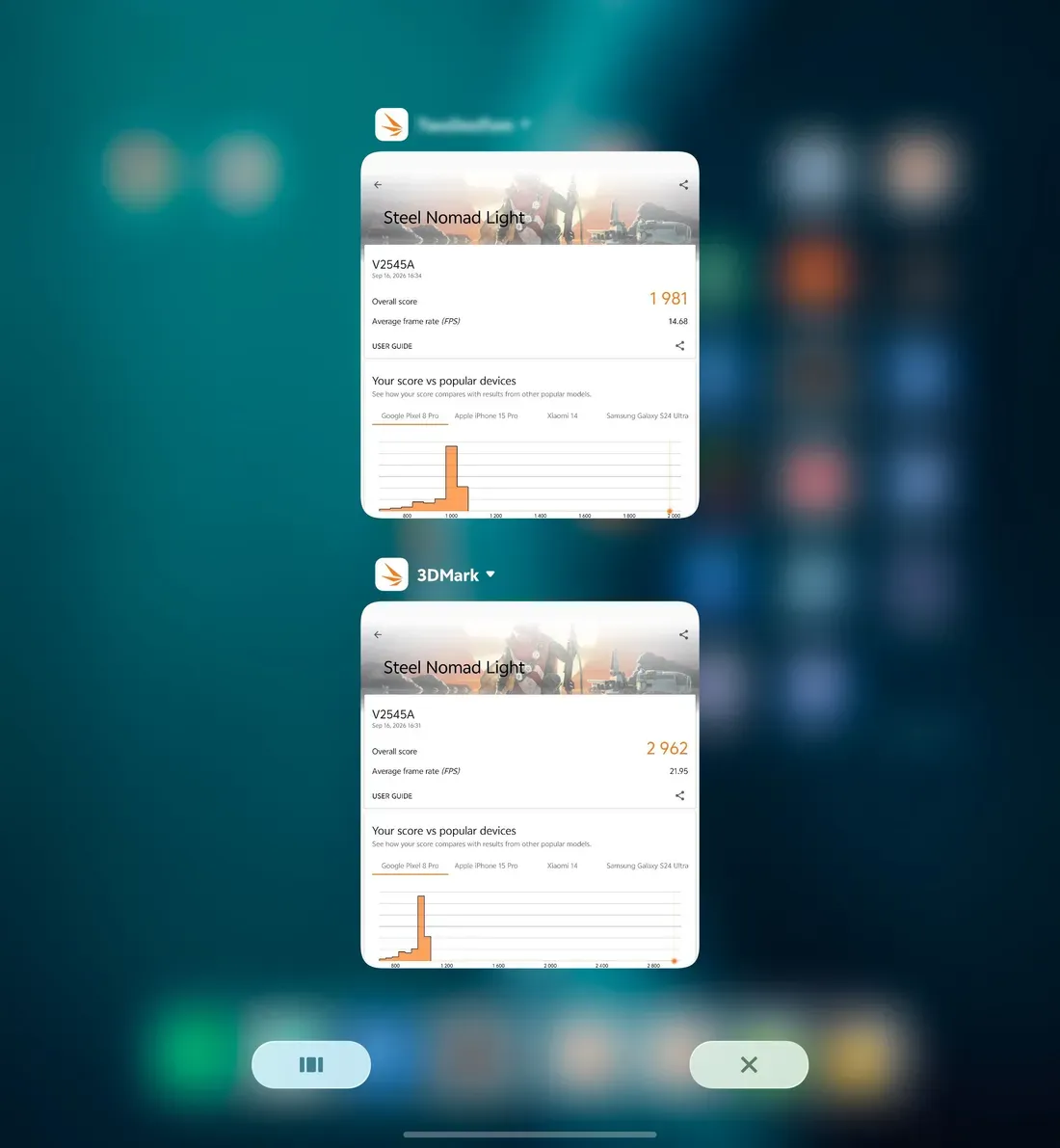
Comparing score outputs between the standard Play Store version and the disguised application exposed a massive performance divide. In the demanding 3DMark Steel Nomad test, the standard Play Store version generated a score of 2,962 points, whereas the disguised version managed only 1,981 points. That represents a 49.5 percent speed inflation on the standard app.
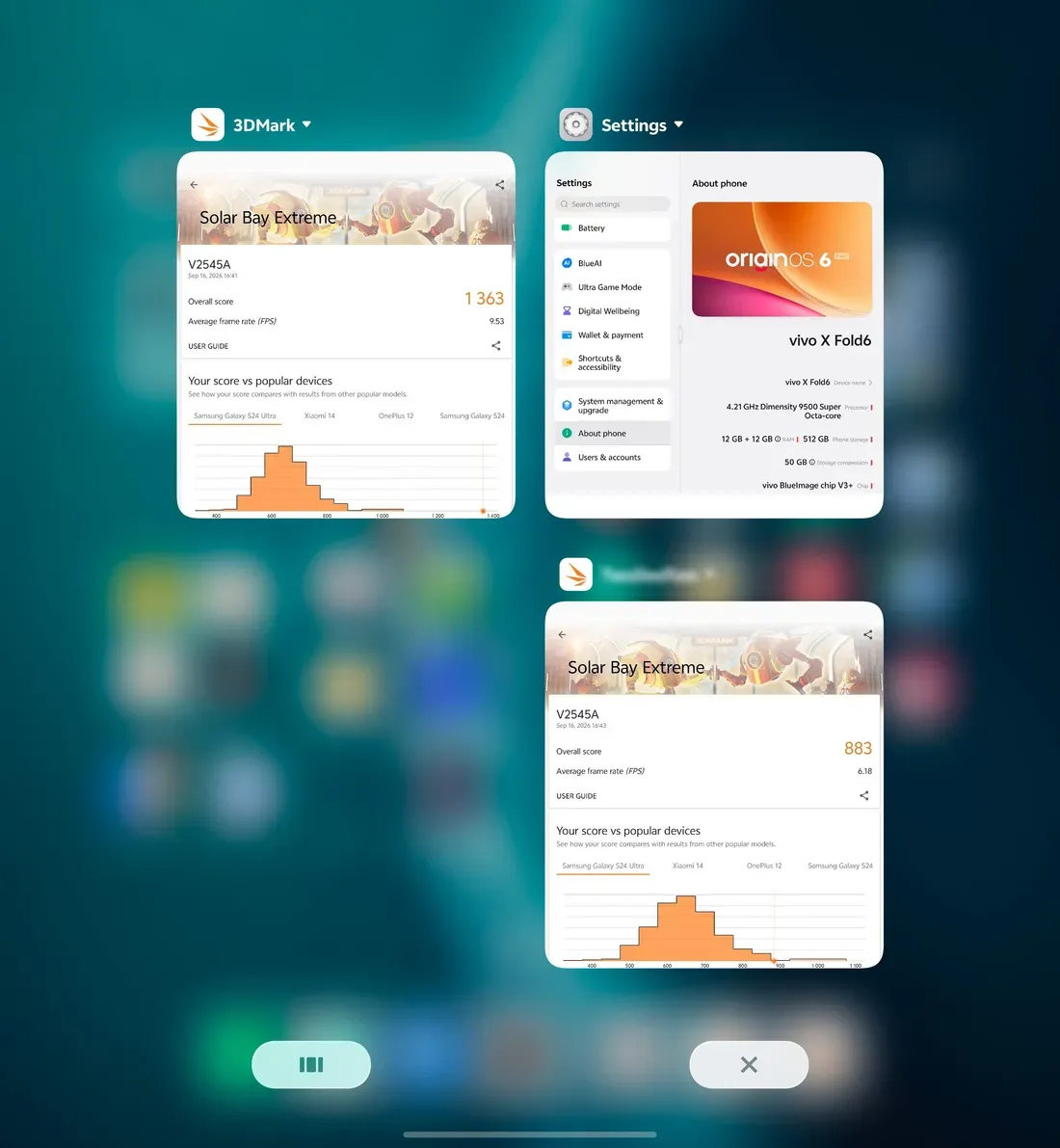
The disparity was even wider in the 3DMark Solar Bay Extreme test. The public Play Store app logged 1,363 points, while the disguised app reached only 883 points, marking a massive 54.4 percent performance gap. To achieve those higher public scores, the device permits elevated power draw and higher internal temperatures that would otherwise trigger thermal throttling during prolonged gaming sessions.

What This Means for Foldable Smartphone Buyers
Benchmark-specific optimizations directly violate the published operating rules of testing authorities like UL, leading to score invalidation and lowered overall reviewer ratings. While this practice is not unique to Vivo, past instances involving competitors have shown that temporary artificial boosts do little to help actual user experiences.
For daily mobile tasks, high-end productivity, and multi-window multitasking, the Vivo X Fold6 remains a formidable foldable device. However, users expecting sustained maximum gaming framerates based purely on promotional benchmark charts may experience faster thermal throttling and performance drops during actual long-form gameplay.