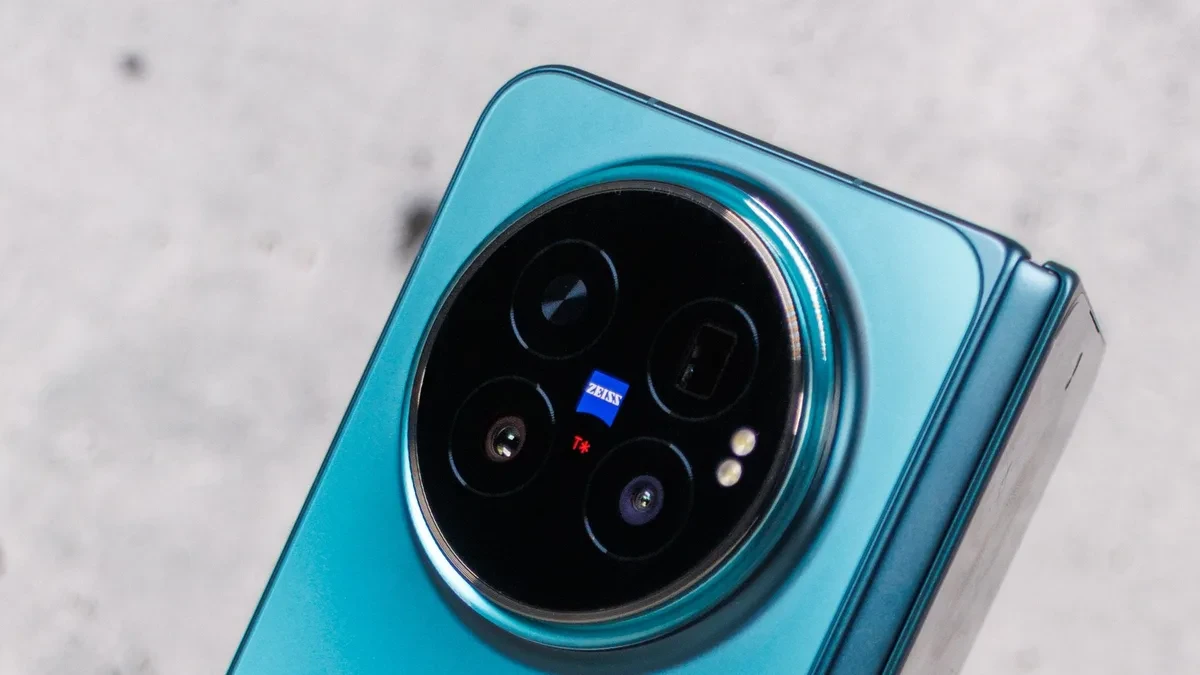
The pursuit of top-tier benchmark numbers has long been a point of contention in the smartphone industry, often leading manufacturers to prioritize optics over real-world consistency. The latest device to fall under scrutiny is the Vivo X Fold6. While the foldable boasts a powerful MediaTek Dimensity 9500 chipset and 12 GB of LPDDR5x RAM, recent findings suggest the device is artificially boosting its performance when it detects specific benchmarking software, a practice that misleads consumers about the hardware's true capabilities.
During rigorous stress testing with 3DMark, the device initially failed to complete runs, raising suspicions of thermal throttling. However, upon further investigation with a disguised version of the 3DMark application, it became clear that the phone treats official benchmark apps differently than standard software. This discrepancy points to a deliberate strategy to bypass the device's natural thermal and power management limits only when a benchmark is detected.

Unmasking the Performance Gap
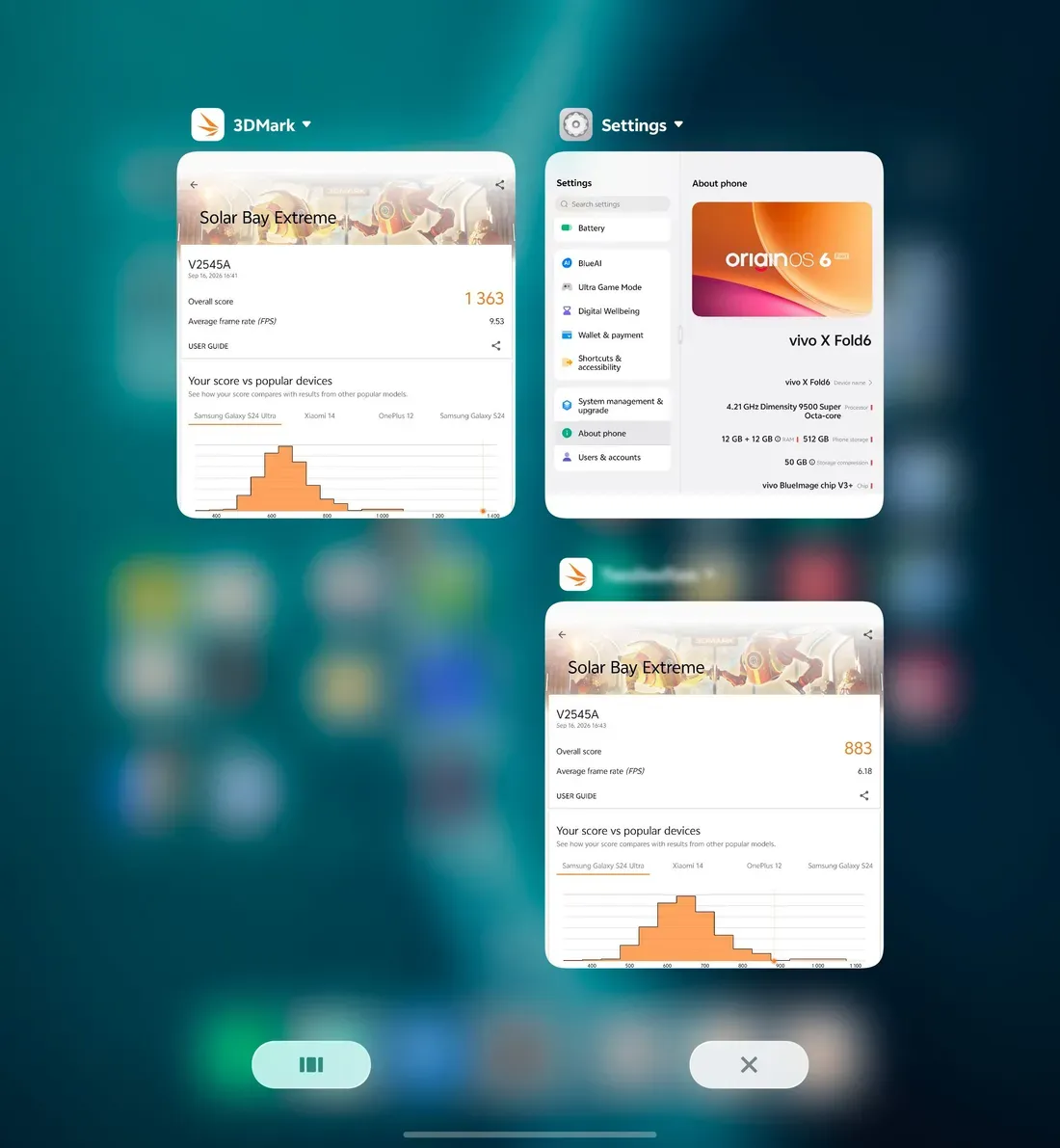
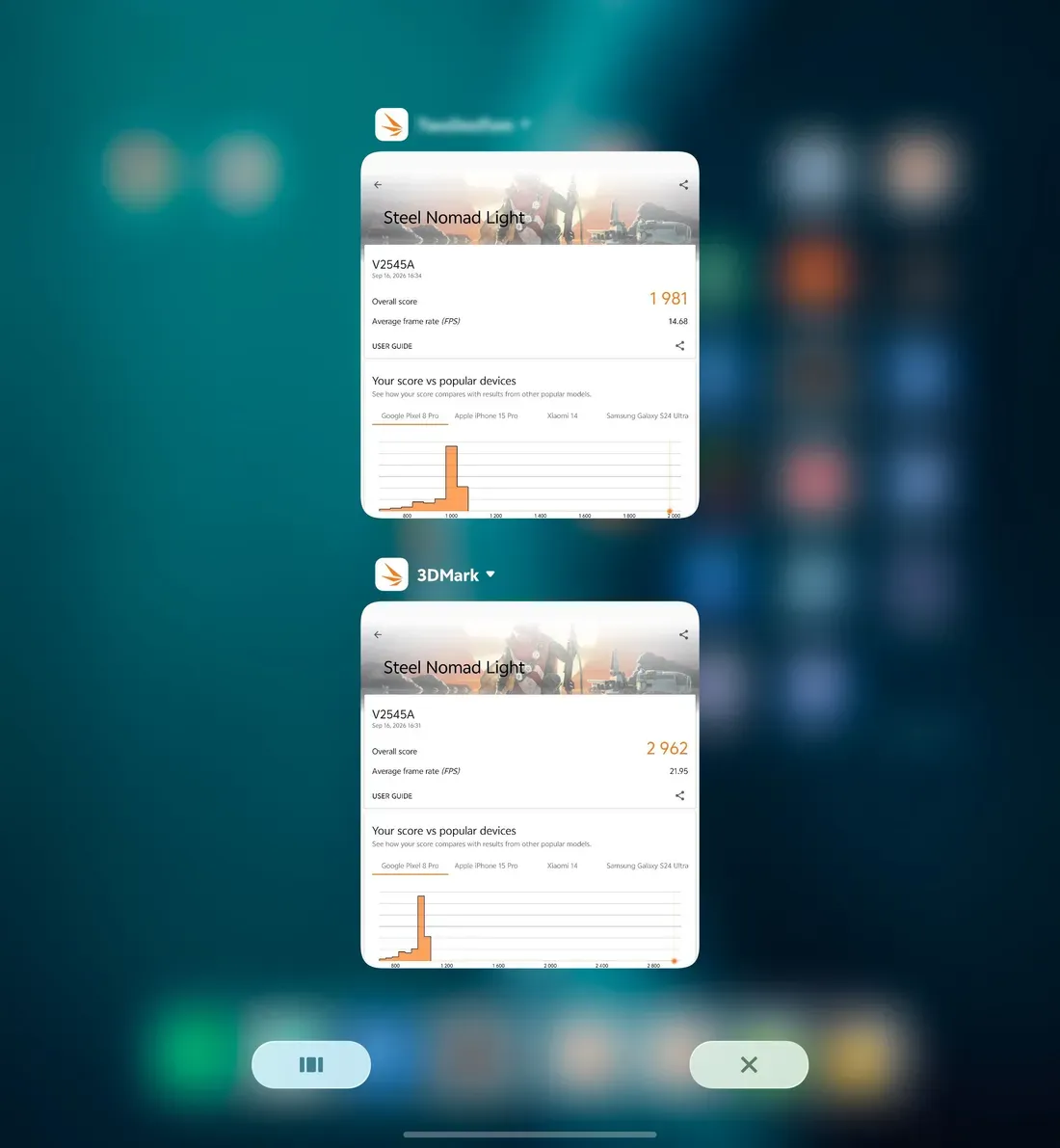
The gap between the official Play Store version of 3DMark and the disguised testing version is staggering. In the Steel Nomad benchmark, the official app reported a score of 2,962 points, while the disguised version - which hides its identity from the system - managed only 1,981 points. That represents a performance inflation of nearly 50 percent. A similar trend was observed in the Solar Bay Extreme test, where the official app yielded a score of 1,363 compared to 883 in the disguised test.
This behavior is a clear violation of industry standards set by UL, the developers of 3DMark, which prohibits benchmark-specific optimizations. By uncapping performance limits specifically for these apps, Vivo is providing a skewed representation of what the device can actually achieve during sustained, heavy usage like gaming or professional video rendering.
The Reality of Sustained Performance
While the Vivo X Fold6 remains a capable foldable device with high-end hardware, these findings cast a shadow over its credibility. When a manufacturer manipulates performance profiles, they are essentially prioritizing a marketing number over the actual user experience. Users rely on these benchmarks to gauge how a device will perform over time, particularly under the heavy loads that define a premium foldable experience.
By artificially inflating these scores, Vivo does not just deceive reviewers; it creates unrealistic expectations for buyers who anticipate a level of sustained power that the hardware cannot naturally maintain under normal conditions. While we have adjusted our rating for the device downward, the broader issue remains: the industry needs more transparency and less reliance on artificial performance metrics that vanish the moment a user exits the benchmark app.