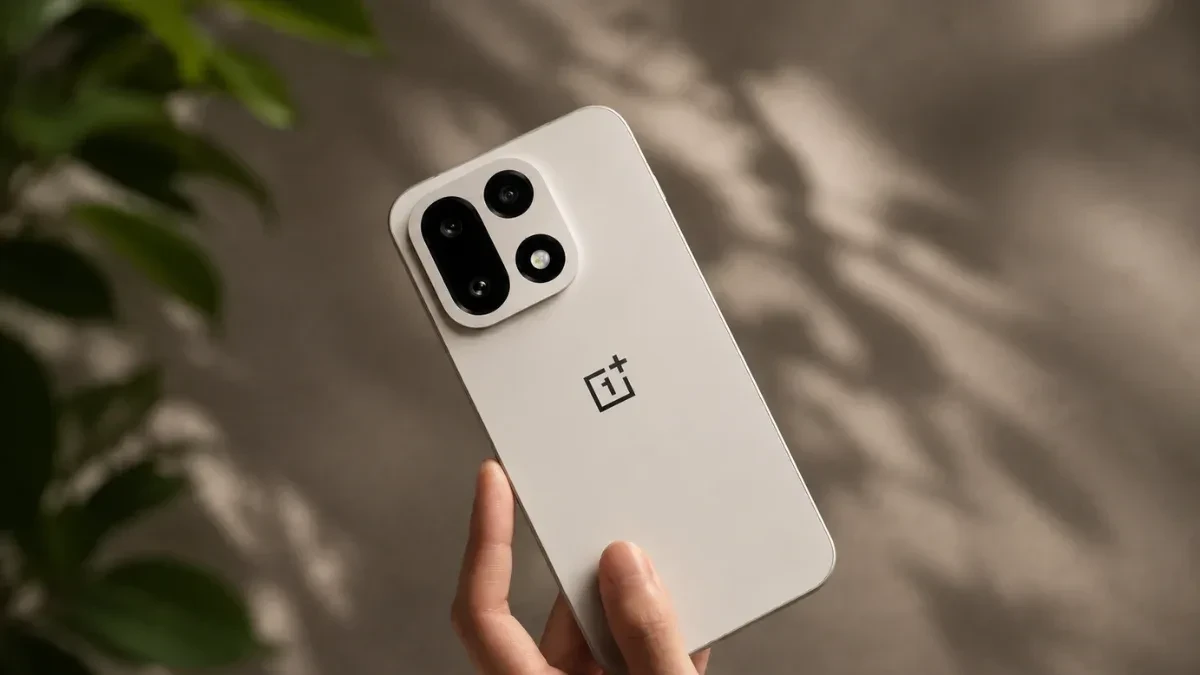
When high-refresh-rate displays first reached smartphones, mobile gamers celebrated the visual fluidity of ultra-fast screen panels. However, power users quickly discovered a frustrating compromise: many flagship phones capped day-to-day apps at lower refresh rates to preserve battery life. OnePlus attempt to bridge that gap with last year's OnePlus 15 left enthusiasts wanting more, as its 165Hz panel was largely restricted to selective gaming titles while everyday browsing remained locked at 120Hz unless users resorted to buried developer settings.
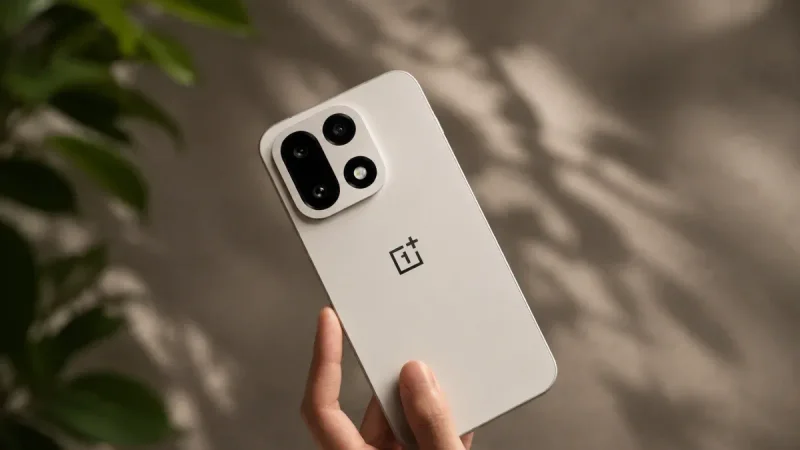
That friction appears to be coming to an end. OnePlus China President Li Jie has officially confirmed that the upcoming OnePlus 16 will feature a native global 165Hz refresh rate operating seamlessly across system software and third-party apps out of the box. Running on the upcoming ColorOS 17 interface, the device aims to deliver consistent frame-rate fluidity across every corner of the operating system without manual software hacks.
The Frustrating High-Refresh Rate Bottleneck
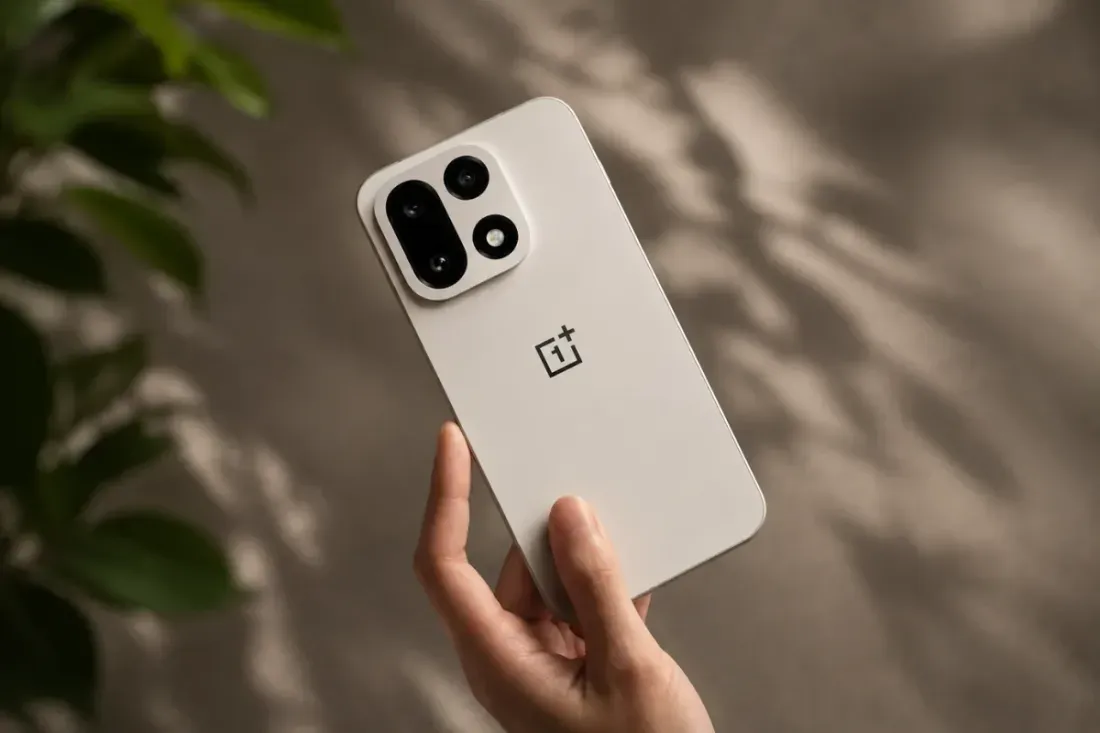
To understand why a truly global 165Hz display matters, it helps to examine where previous hardware fell short. While the OnePlus 15 launched with marketing headlines highlighting its 165Hz screen, real-world usage presented a much more constrained reality. Outside a curated selection of mobile games, the panel routinely throttled down to 120Hz for social feeds, messaging clients, and web browsers.
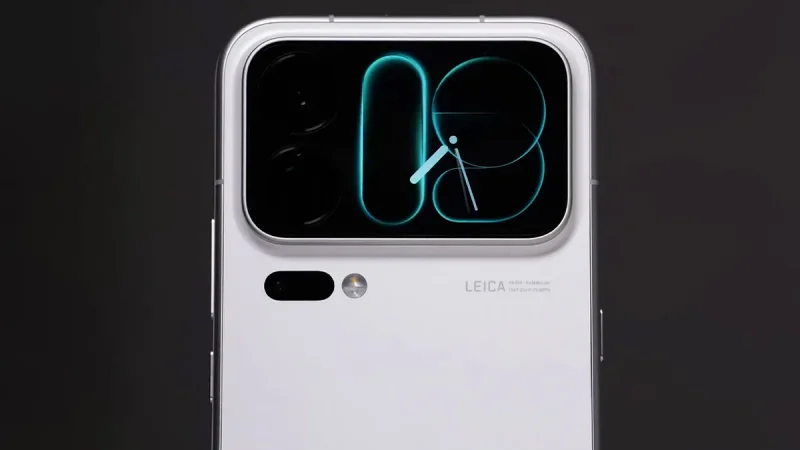
Although software updates eventually expanded 165Hz support to mainstream apps like Instagram, X, and WhatsApp, the implementation was far from refined. Users had to manually unlock Developer Options to force the higher refresh rate, a workaround that locked the display at maximum frequency indefinitely. Without dynamic power scaling, the panel continuously consumed peak power even when displaying static text, leading to unnecessary battery drain and excess thermal output.
Oriental Screen X4 and Hardware Precision
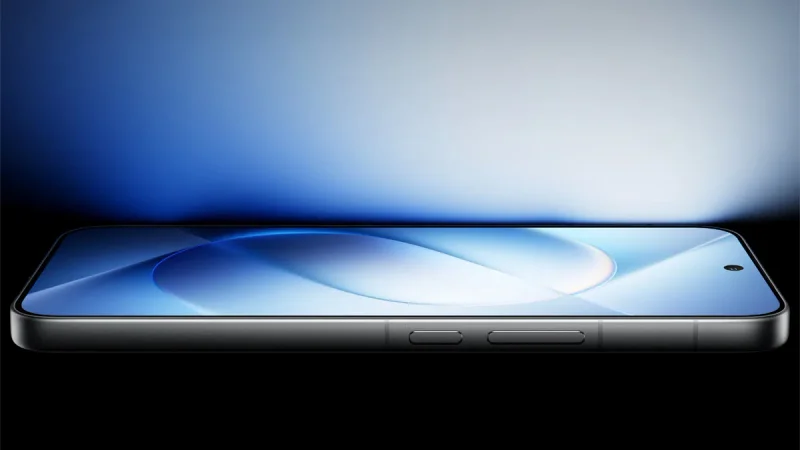
According to leaked details verified by industry insider Digital Chat Station, the OnePlus 16 achieves true system-wide high refresh rates through a fundamental redesign of display hardware. The smartphone is set to incorporate the new Oriental Screen X4 material paired with rebuilt display controller circuitry engineered specifically for hardware-level global 165Hz scaling.
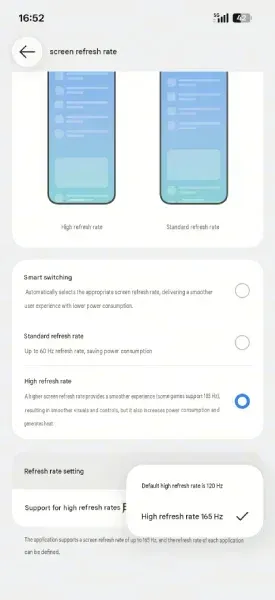
Leaked screenshots from early testing environments reveal that the 165Hz toggle resides directly inside the standard Display & Brightness settings menu, removing the need for developer workarounds entirely. Early hands-on reports indicate that system utilities and Play Store downloads smoothly run at the full 165Hz threshold while retaining variable refresh rate adjustments to protect overall battery longevity.

Availability and Ecosystem Integration
The global 165Hz feature will make its debut alongside ColorOS 17 in China, which will transition to OxygenOS 17 for international markets. By integrating hardware-level refresh control directly into the display controller, OnePlus positions its upcoming flagship to offer one of the smoothest visual experiences available on a commercial mobile device.
While official release timelines and global pricing details have not yet been announced, early engineering validation confirms that the OnePlus 16 will address one of the most vocal critiques of its predecessor. For users who demand uncompromised visual motion across both daily multitasking and heavy gaming, the shift toward a true global high refresh rate represents a meaningful leap forward in smartphone display architecture.