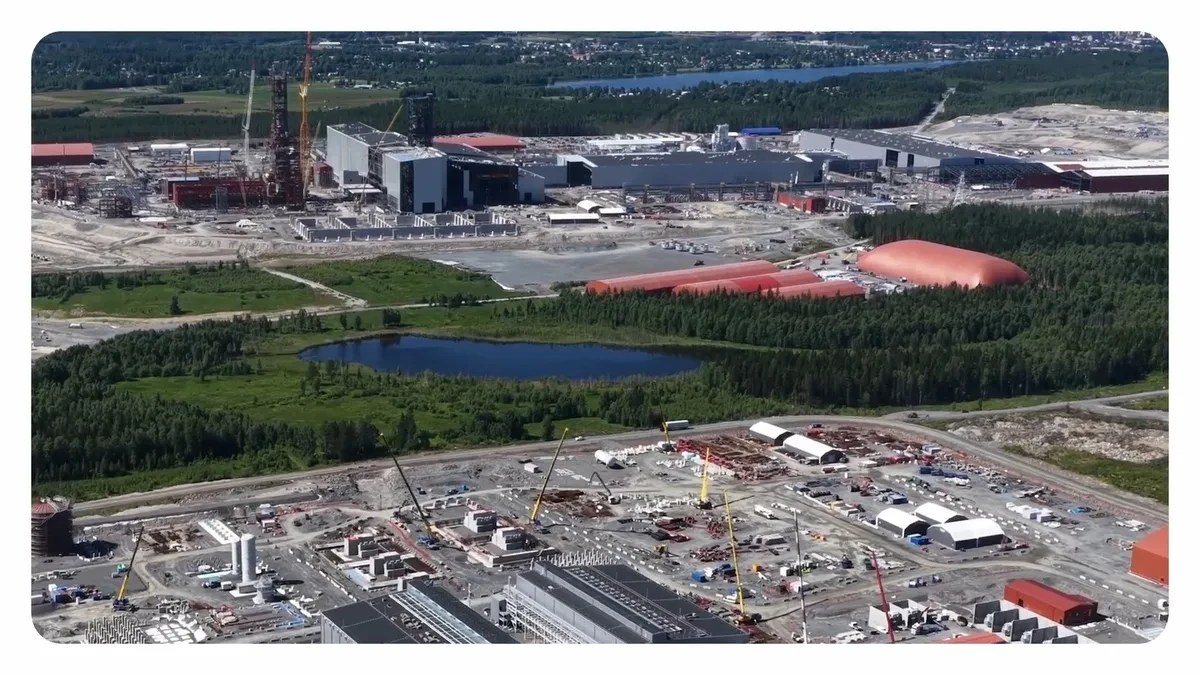
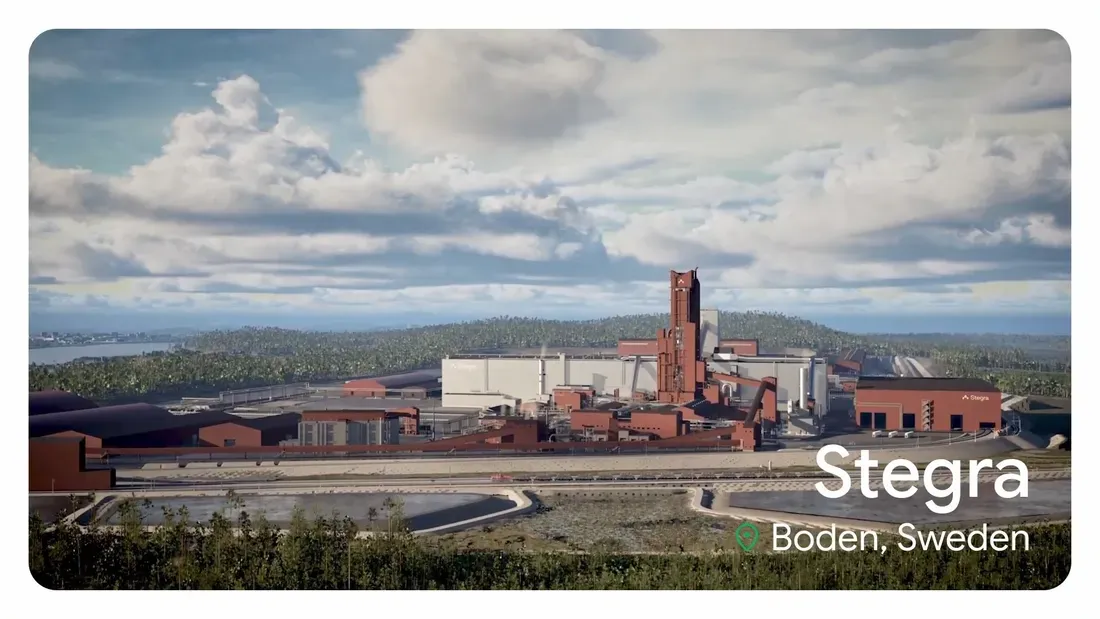
Tech giant Google is expanding its environmental commitment beyond renewable electricity grid purchases by directly funding low-emission heavy industry. The company has secured an agreement to buy Environmental Attribute Certificates (EACs) from Stegra, a Swedish industrial pioneer building the world's first commercial-scale near-zero-emission steel facility in Boden, Sweden. The financing covers up to 91,000 metric tons of green steel in the plant's initial year of production, offering crucial early revenue for a project designed to eliminate carbon emissions from raw steel manufacturing.
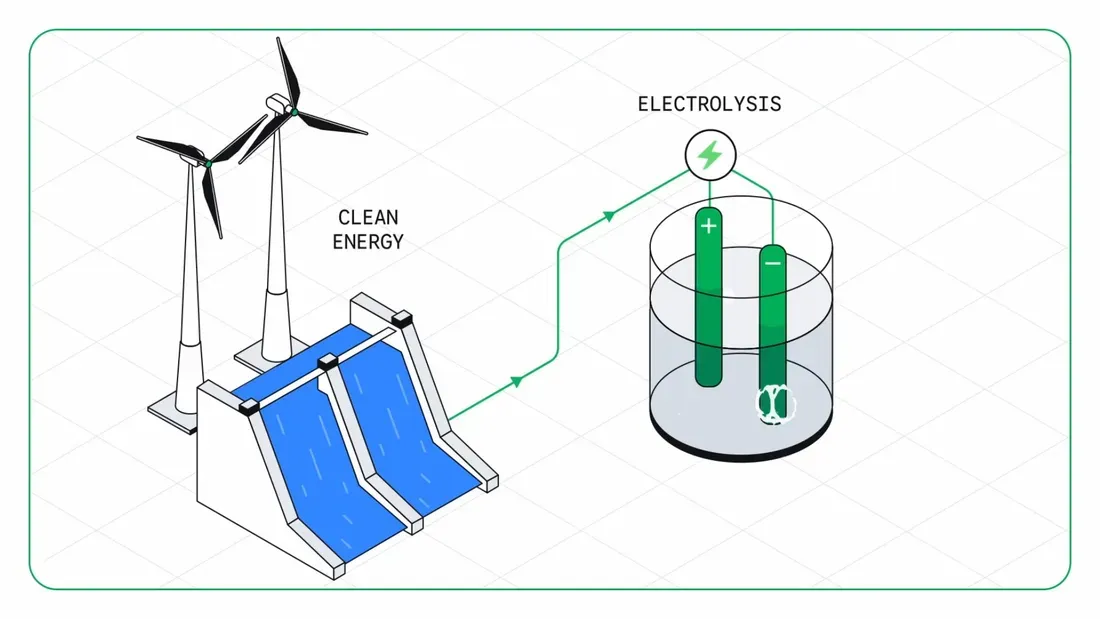
Steel manufacturing remains one of the hardest-to-abate sectors in global industry, responsible for approximately eight percent of annual greenhouse gas emissions. Traditional steelmaking relies heavily on metallurgical coal to strip oxygen from iron ore inside high-temperature blast furnaces. Stegra's facility in northern Sweden replaces fossil fuels entirely with green hydrogen generated through water electrolysis powered by regional hydroelectric and wind energy. The resulting byproduct is clean water vapor rather than carbon dioxide, bringing output inline with the International Energy Agency's strict definitions for near-zero-emission steel.
How the Book-and-Claim Model Powers Green Industrialization
Building hyperscale data centers requires massive amounts of structural steel, yet shipping physical steel slabs across oceans to individual construction sites is economically inefficient and carbon-heavy. Google bypasses this logistical barrier through a book-and-claim financial structure using Environmental Attribute Certificates.

Under this arrangement, Google pays a financial premium for Stegra's green production capacity without physically taking delivery of the metal. In return, Google obtains verified environmental credits that allow it to claim low-carbon status for equivalent tonnages of conventional steel purchased closer to its worldwide construction sites. This capital infusion provides financial certainty for Stegra long before manufacturing reaches peak capacity.
Navigating the Pragmatics and Critiques of Certificate Trading
Critics frequently question whether attribute certificates amount to greenwashing, given that Google continues to use conventional steel on site. However, industrial market analysts note that heavy manufacturing requires upfront capital certainty that spot markets rarely provide. By guaranteeing revenue through EAC purchases, Google helps Stegra recoup its extensive capital investments in hydrogen electrolyzers and clean infrastructure.
To prevent double counting, a strict central registry tracks every metric ton of steel produced. When Google purchases certificates for 50,000 metric tons of green steel, it claims the low-emissions attribute for its own material supplies. Stegra then sells the physical green steel produced in Sweden to third-party buyers, such as German steelmaker Thyssenkrupp, as standard commercial steel without the green price premium. This system ensures that environmental benefits are credited exactly once across the global supply chain.

Setting a Precedent for Hyperscale Tech Infrastructure
As artificial intelligence workloads drive an unprecedented expansion of global data centers, tech companies face mounting scrutiny over their physical supply chain emissions. While corporate power purchase agreements (PPAs) successfully transformed green electricity markets over the past decade, structural materials like steel, concrete, and aluminum represent the next major frontier in enterprise sustainability.
Google's agreement with Stegra signals to capital markets that clean industrial commodities command real economic value. By establishing a commercial framework for green steel certificates, tech capital could accelerate the broader transition of heavy manufacturing, proving that expanding computational infrastructure does not need to compromise global decarbonization goals.