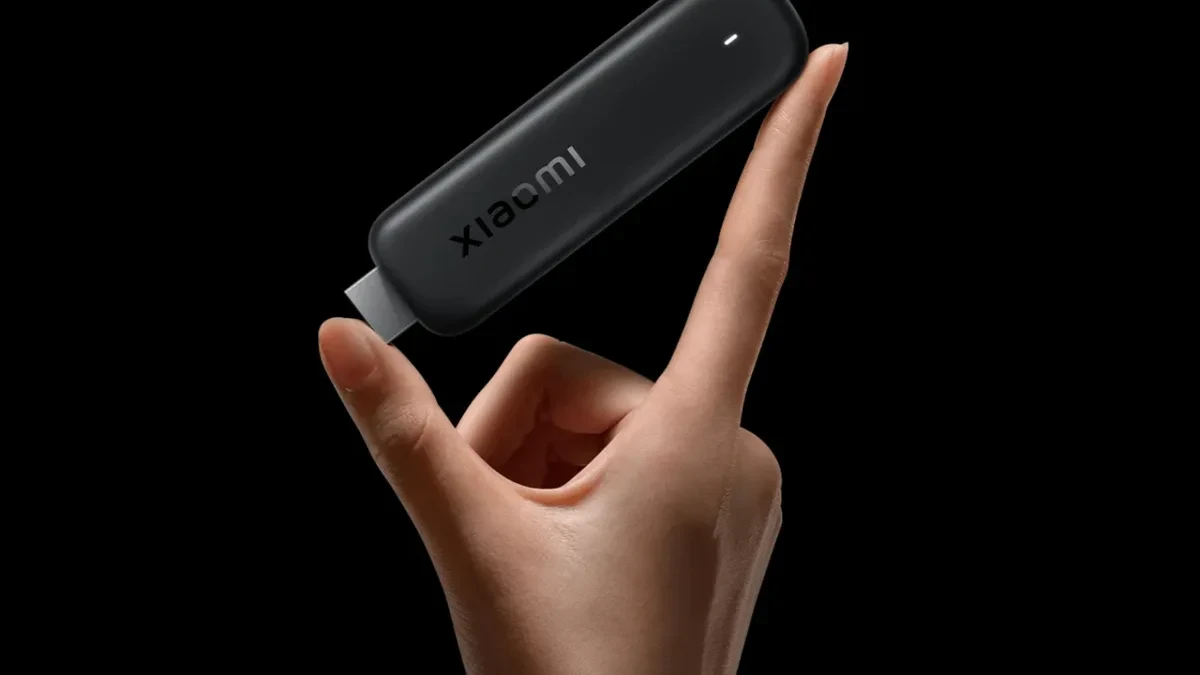
Xiaomi is broadening the availability of its second-generation TV Stick HD, a compact streaming solution designed to modernize older displays or secondary monitors. After a staggered rollout, the device is now officially hitting shelves in major European markets, including France and Germany, alongside an expansion into South Korea. This strategic release aims to capture users seeking an affordable, entry-level streaming experience that doesn't sacrifice modern software convenience.
Retailing for approximately $60 (€54.99) in Europe and roughly $72 (KRW 99,000) in South Korea, the TV Stick HD (2nd Gen) positions itself as a budget-friendly alternative to Xiaomi's higher-end 4K-capable streaming hardware. While it limits output to 1080p resolution at 60 Hz, the device packs a significant internal upgrade over its predecessor, the original Mi TV Stick, by utilizing a more capable quad-core ARM Cortex-A55 processor paired with a Mali-G31 MP2 GPU.

Performance and Software Experience
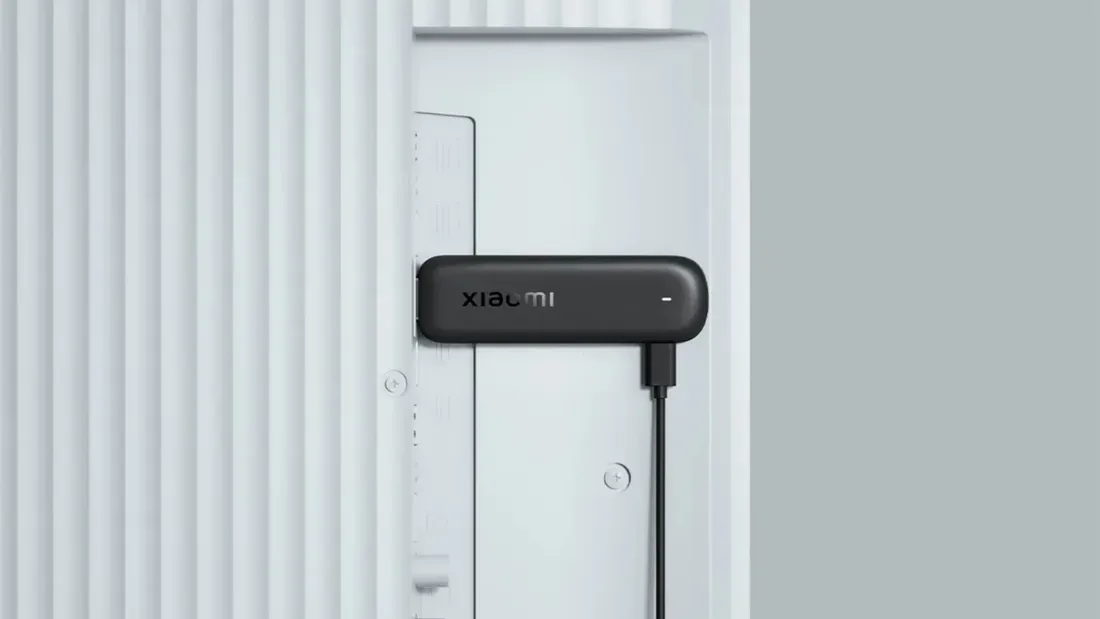
The most notable change for users is the integration of Google TV, which provides a more curated and intuitive interface compared to older Android TV iterations. With 8 GB of internal storage and 1 GB of DDR4 RAM, the device is optimized for media consumption rather than intensive multitasking. Users gain access to the vast library of over 10,000 applications via the Google Play Store, ensuring that popular streaming services remain just a few clicks away.
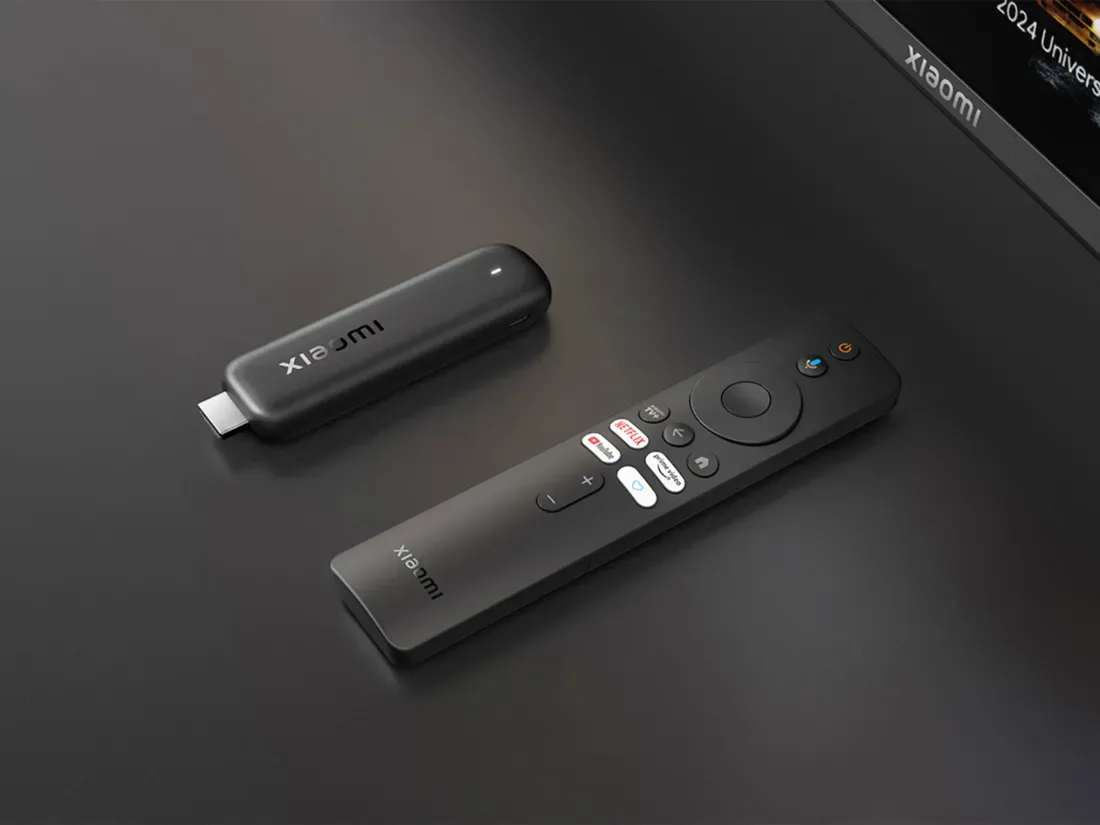
Connectivity is handled by dual-band Wi-Fi (2.4 GHz and 5 GHz), which is a welcome addition for maintaining steady streams in crowded wireless environments. For those looking to pair accessories, the stick features Bluetooth 5.0, allowing for the connection of wireless headphones, game controllers, or external remotes. The included remote remains a highlight, featuring dedicated shortcut buttons for Netflix, Amazon Prime Video, and YouTube, alongside an integrated microphone for Google Assistant voice commands.
Technical Capabilities and Limitations
While the device lacks the pixel density required for 4K playback, it compensates with support for high-end audio and visual standards. The stick supports HDR10+ for improved color and contrast on compatible displays, while audio enthusiasts benefit from DTS:X, DTS HD, and Dolby Audio compatibility. These features ensure that even at a 1080p output limit, the media remains immersive.
As the device continues its rollout, consumers should note that this is a specialized tool for standard HD setups. For those tethered to 4K displays, Xiaomi continues to offer its dedicated TV Stick 4K (2nd Gen). Availability in other regions remains subject to local distribution, but the current expansion marks a significant step in standardizing Xiaomi's budget streaming ecosystem across the Eurozone.