The integration of electrocardiogram (ECG) sensors into modern smartwatches has moved from a novelty to a staple health feature. Devices like the Huawei Watch D3 offer a convenient way to monitor heart rhythm, but these tools exist in a unique space between consumer convenience and clinical necessity. While the technology is capable of identifying potential arrhythmias, understanding the difference between a wearable's capabilities and a hospital-grade 12-lead ECG is critical for anyone relying on these devices for health tracking.
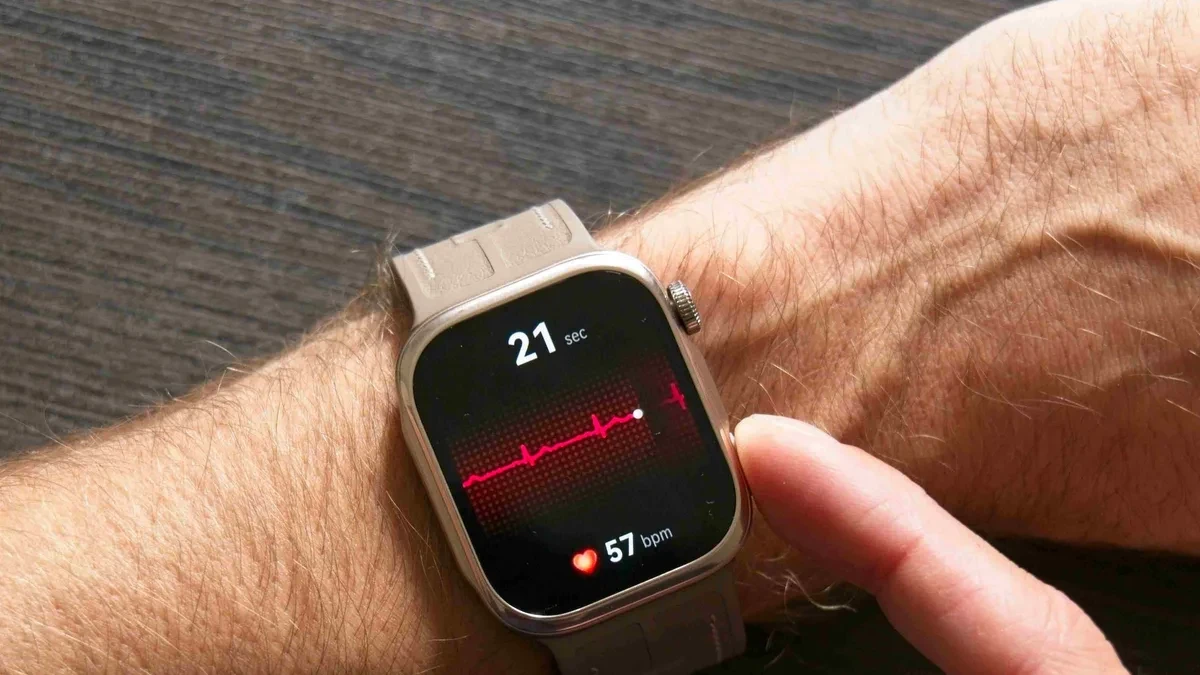
At its core, the Huawei Watch D3 captures heart activity by measuring electrical potential changes in cardiac muscle cells. When you touch the electrodes, the watch closes a circuit, allowing it to record the electrical signal of your heartbeat. The device then filters out background noise, stabilizing the signal to produce a readable trace. However, this is only a partial picture of your cardiovascular health.
The Clinical Reality vs. Wearable Convenience
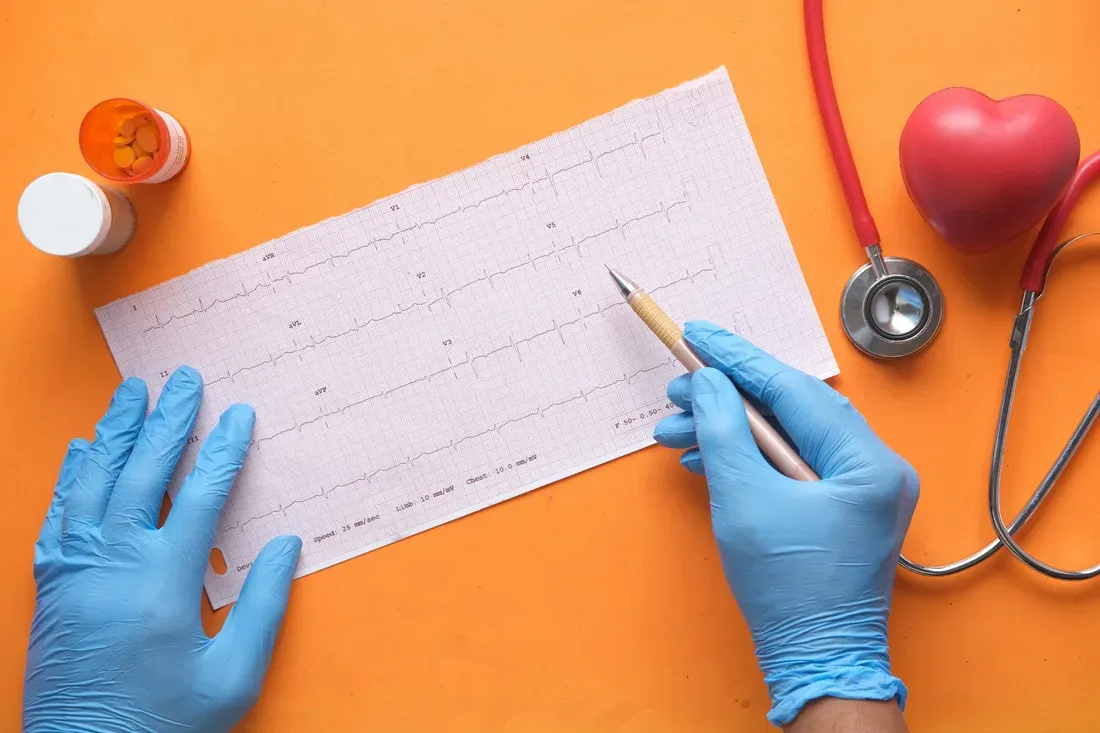
In a clinical environment, doctors utilize a 12-lead ECG that employs 10 electrodes to view the heart from multiple angles. This comprehensive approach allows for the detection of localized issues, such as specific muscle damage or posterior wall infarctions. By contrast, a smartwatch typically records only Einthoven’s Lead I, which measures the potential difference between your two arms. This single-channel approach is excellent for detecting rhythm disturbances, but it is fundamentally blind to many of the complex diagnostic indicators a cardiologist looks for.
Manufacturers, including Huawei, are transparent about these boundaries. The Watch D3 is not a diagnostic tool intended to replace professional medical equipment. Instead, its primary value lies in its constant accessibility. Clinical tools like a 24-hour Holter monitor are limited by their time window; if an arrhythmia does not occur during that specific period, the test may return a false negative. Because the Watch D3 is always on your wrist, it significantly increases the statistical probability of capturing transient rhythm issues the moment they occur.
Pushing the Limits of Personal Health Tech
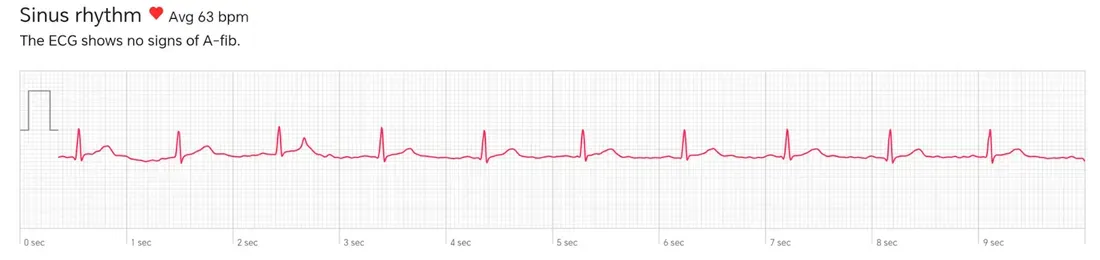
To better understand the technical potential of these sensors, we conducted an experimental assessment. By placing the watch chassis against different parts of the body - such as the lower leg - while maintaining contact with the electrode, it is possible to generate alternative leads. While our medical consultation confirmed that these alternative traces could theoretically highlight indicators like ST-segment elevation, the process is far from practical. The current software is designed for isolated 30-second traces, making it difficult to analyze multiple leads concurrently as a clinician would.
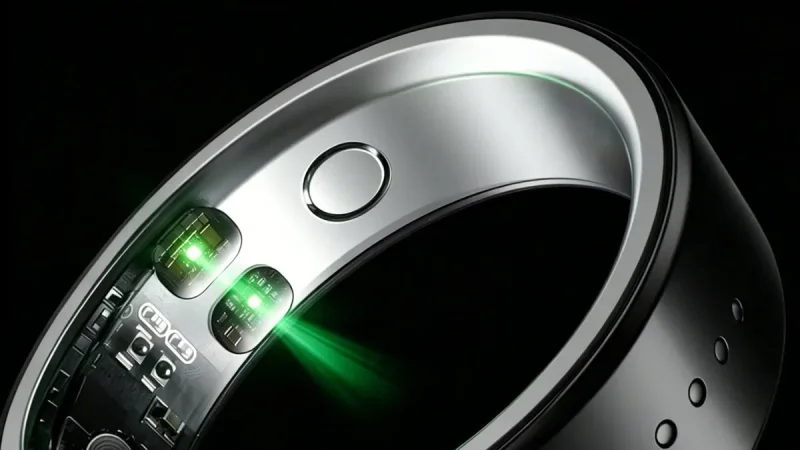
While the ability to capture these readings is impressive, it does not change the fundamental recommendation: smartwatches should be used for awareness, not diagnosis. If you have a family history of heart disease or experience persistent symptoms, these devices should act as a prompt to seek professional care, rather than a substitute for it. Many clinics offer affordable, accurate resting ECGs that provide a far more complete diagnostic picture than any wearable currently on the market.
Ultimately, the Huawei Watch D3 is a sophisticated tool for everyday cardiovascular monitoring, but it must be used with a clear understanding of its limitations. It provides a valuable window into your heart rhythm, yet it should never foster a false sense of security. When in doubt, prioritize professional medical advice over the data on your wrist.