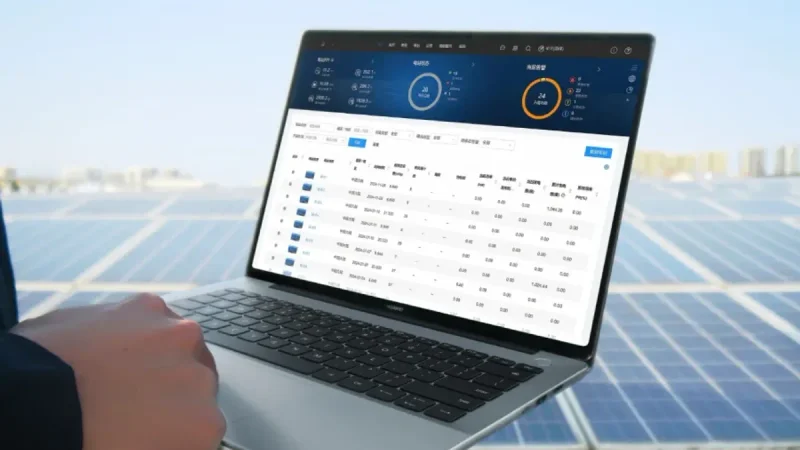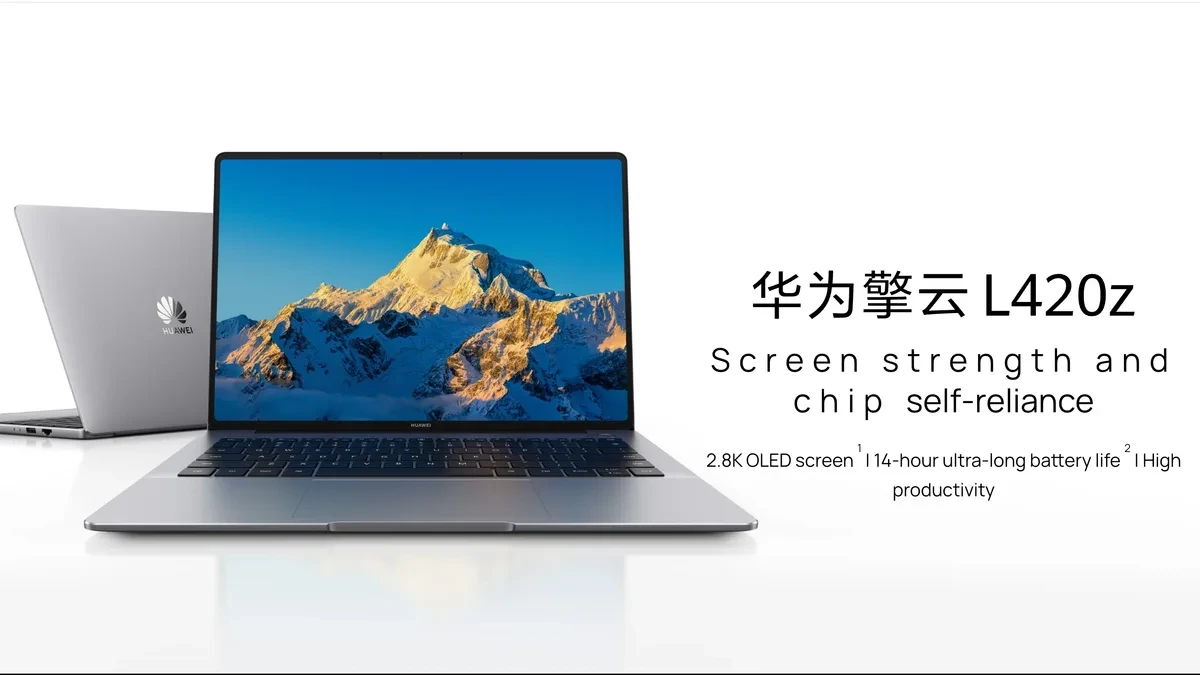
Huawei is expanding its professional-grade hardware footprint with the launch of the Qingyun L420z, a business-focused laptop that prioritizes display quality and connectivity over minimalist design trends. While the ultrabook market has largely shifted toward stripping away physical ports, this new entrant offers a surprising amount of utility for power users who still rely on legacy hardware and wired peripherals.
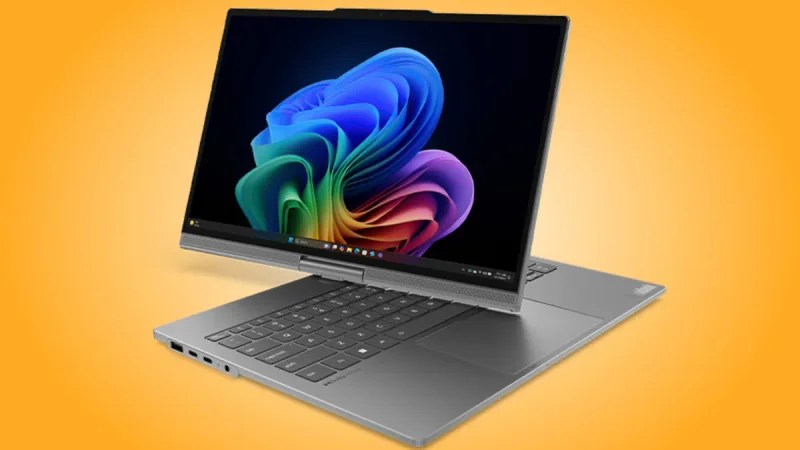
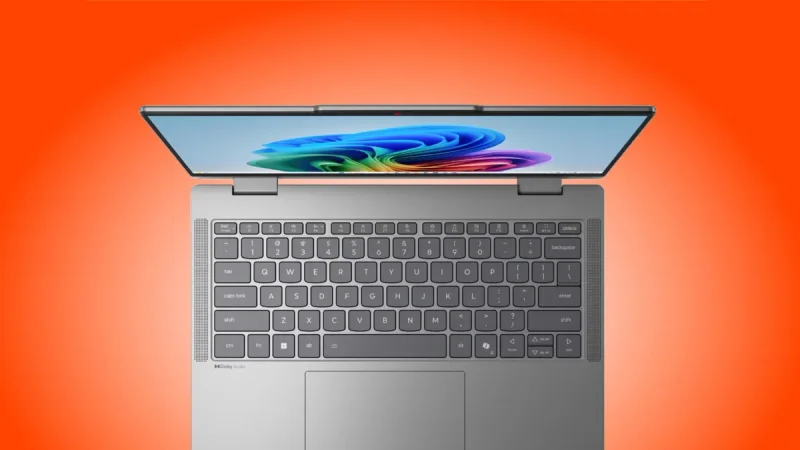
The L420z arrives as the successor to the L420x, maintaining an all-metal chassis that balances durability with portability. Weighing in at 1.32 kg (2.91 lbs) and measuring 14.5 mm in thickness, the device is slightly heavier than typical ultra-slim competitors, yet it justifies this minor bulk by housing a comprehensive array of physical connections that are often missing from modern portable machines.
A Display Built for Productivity
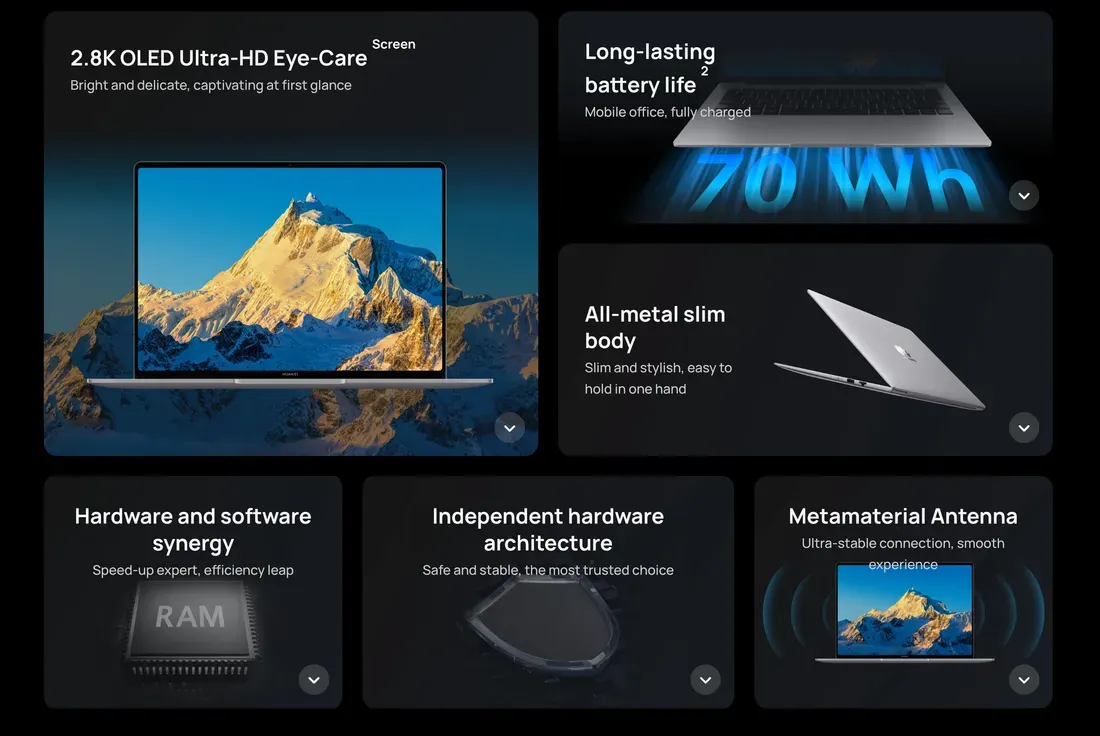
The centerpiece of the Qingyun L420z is its 14.2-inch OLED touchscreen. Operating at a resolution of 2880 x 1920 pixels, the panel provides a sharp, high-density viewing experience suitable for detailed spreadsheet work and creative editing. With a 120 Hz refresh rate, the interface feels fluid, while the 450-nit peak brightness and full coverage of both sRGB and P3 color gamuts suggest a screen capable of professional-grade color accuracy.
Connectivity and Legacy Support
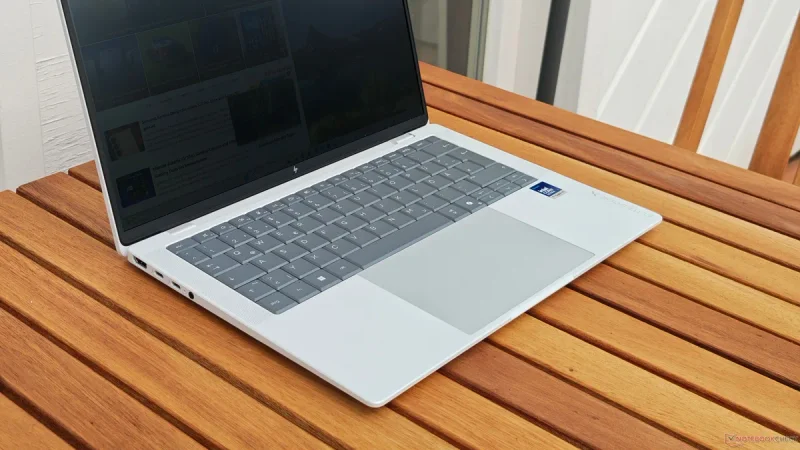
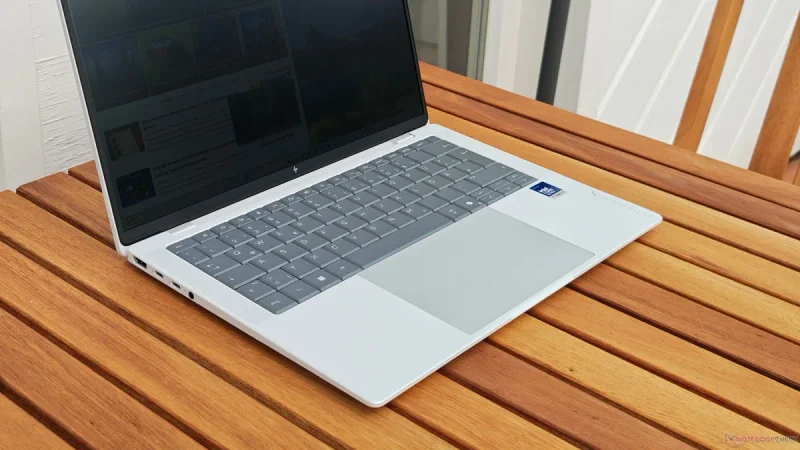
Unlike many of its contemporaries that force users to carry an arsenal of dongles, the L420z is designed for a traditional office setup. The port selection is remarkably generous for its size, featuring a dedicated RJ45 Ethernet port, an HDMI output, two USB-A ports, and a USB-C port. This focus on connectivity makes it a practical choice for enterprise environments where stable wired internet and external display compatibility remain daily requirements. For security-conscious users, the inclusion of a physical webcam privacy switch and a fingerprint sensor integrated into the power button provides a balanced approach to modern data protection.
Performance and Software Ecosystem
While Huawei has kept the specific processor details under wraps, the company has confirmed the use of LPDDR5x quad-channel memory, which should ensure high-speed data throughput for multitasking. The internal architecture also includes an accessible SSD bay for storage flexibility. The machine ships with either the Galaxy Kylin or UnionTech desktop operating systems, signaling a clear shift toward regional software ecosystems rather than a standard Windows-based configuration.
With a 70 Wh battery pack, Huawei claims the laptop can reach up to 14 hours of endurance on a single charge. Whether this figure holds up under heavy professional workloads remains to be seen once the device reaches the hands of end users. Global pricing and regional availability have not yet been announced, and it is unclear if this business-centric model will see a release outside of its domestic market.