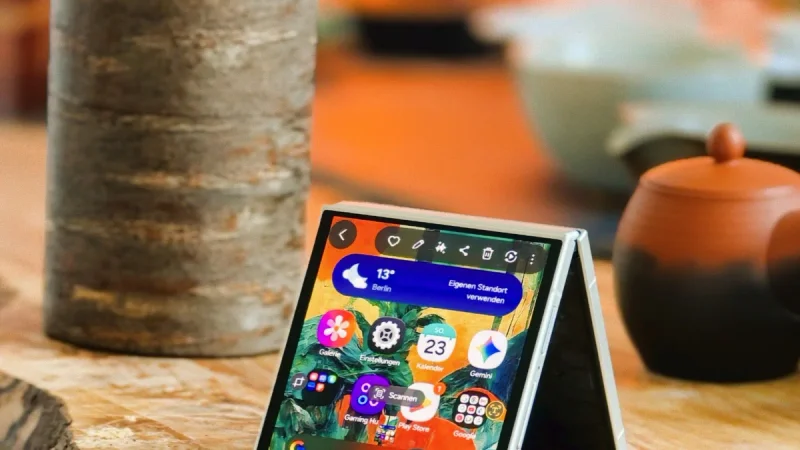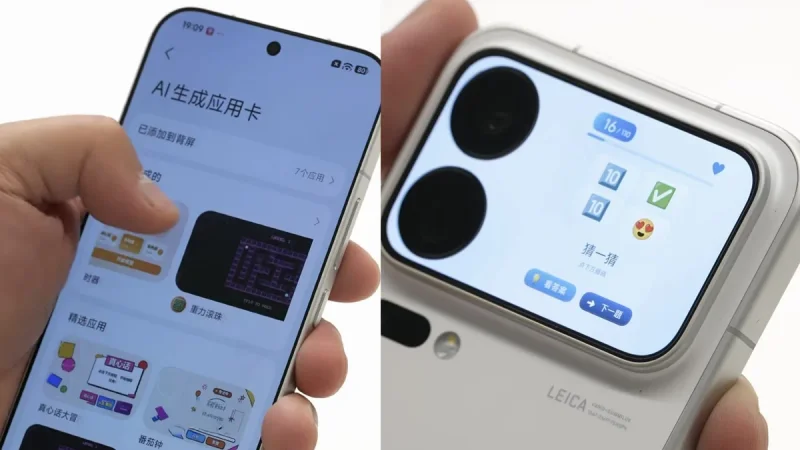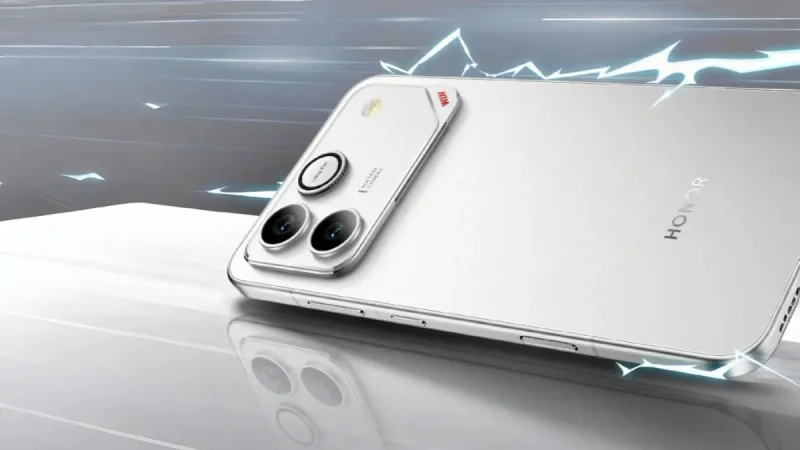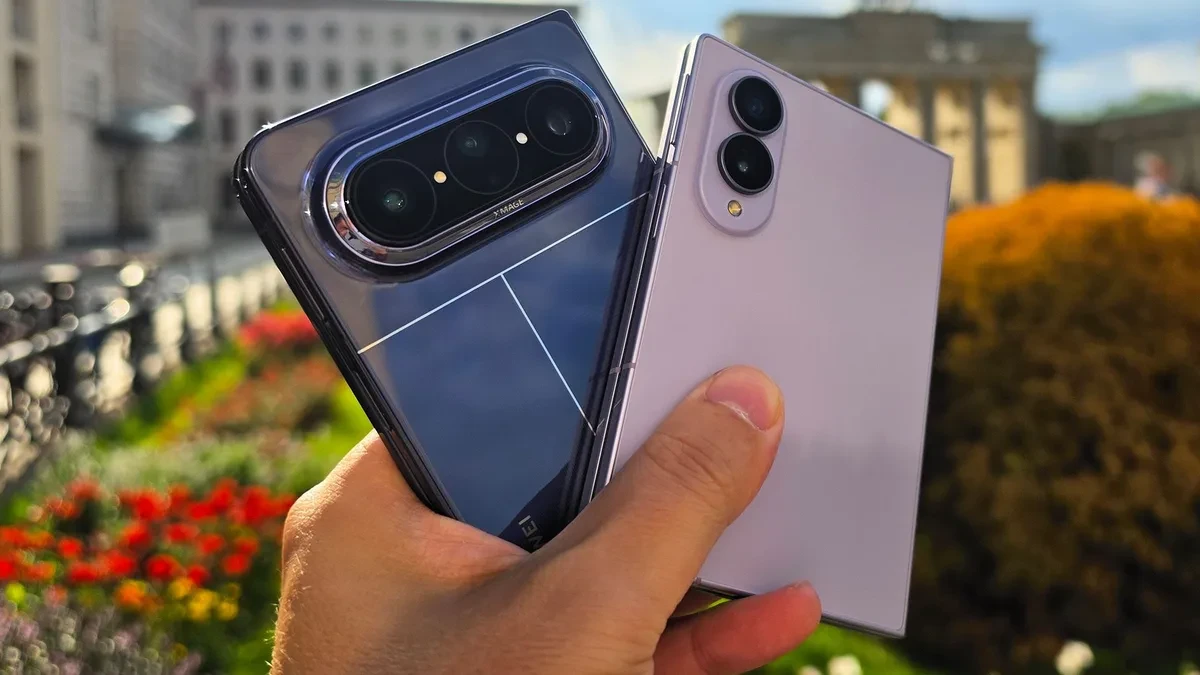
Choosing a flagship foldable often feels like a compromise between form factor and photographic capability. With the Samsung Galaxy Z Fold8 and the Huawei Pura X Max, the industry's two most prominent approaches to folding hardware are on full display. While Samsung leans into the refined, high-resolution utility of a balanced system, Huawei has opted for an uncompromising, lens-heavy architecture that prioritizes raw optical performance over the convenience of a widely supported ecosystem.
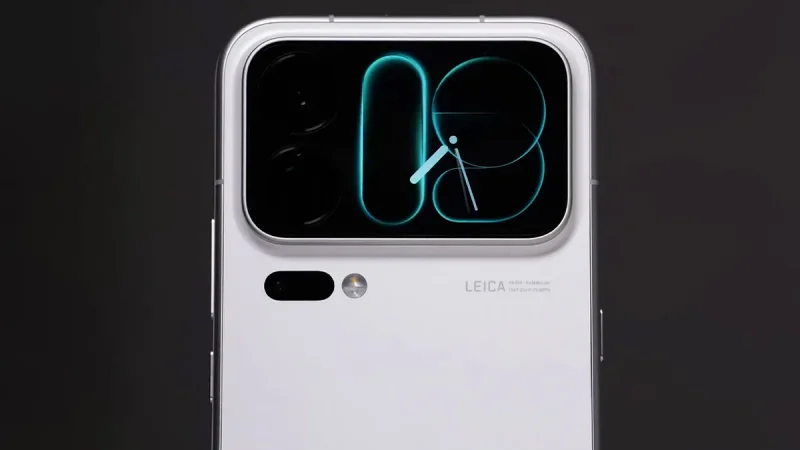
At its core, the Galaxy Z Fold8 features a reliable 50-MP main sensor alongside a 50-MP ultra-wide lens. However, it noticeably omits a dedicated telephoto module. Conversely, the Pura X Max packs a 50-MP main camera with a mechanical variable aperture, a 50-MP periscope telephoto lens with 3.5x optical zoom, and a specialized Red Maple color sensor. For the enthusiast who values reach and light control, the hardware advantage clearly tips toward Huawei.
The Main Sensor Battle: Sharpness vs. Versatility
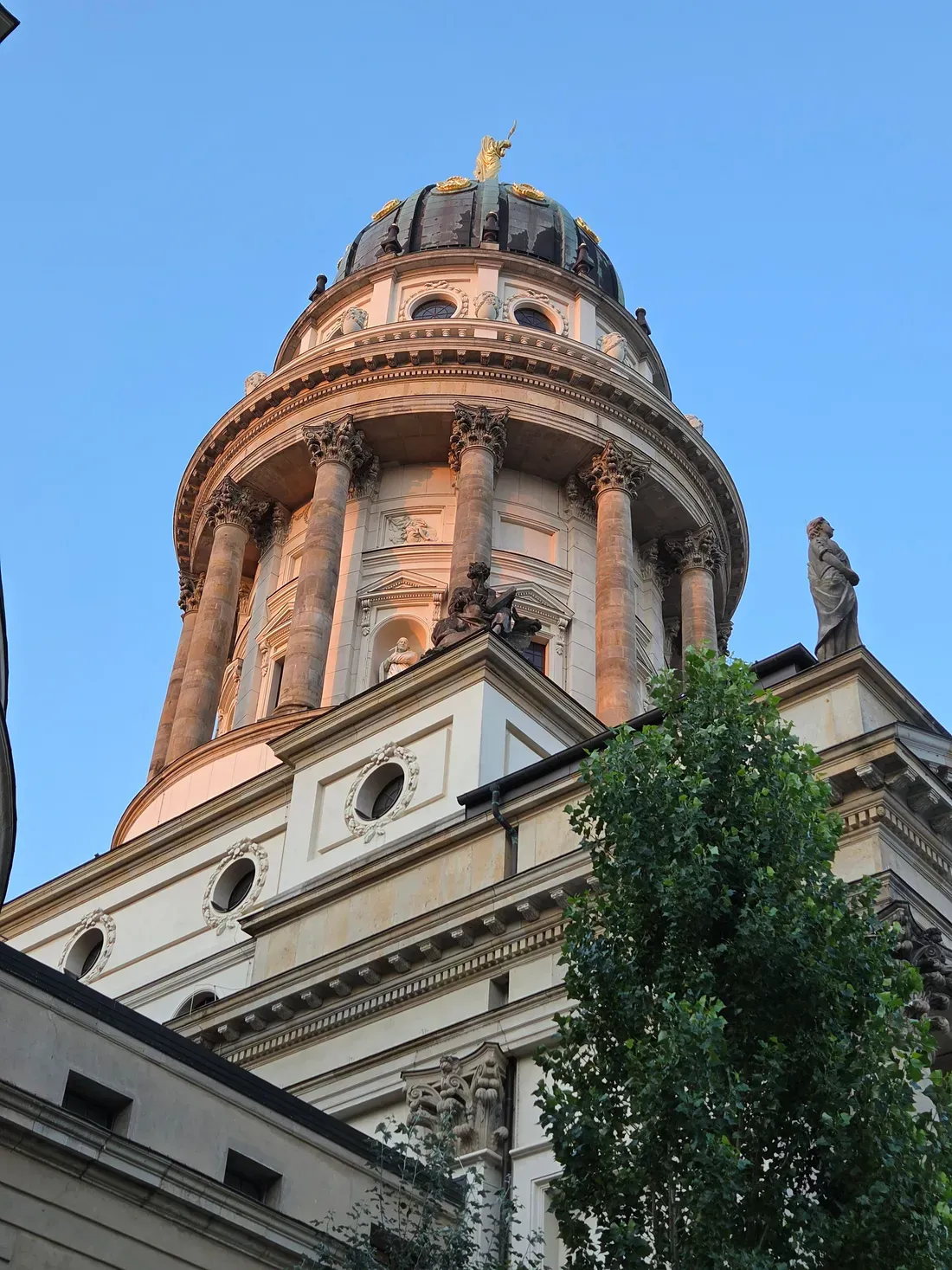
When shooting with the primary sensors, both devices produce high-quality images, but their post-processing signatures differ significantly. Samsung continues to favor aggressive sharpening, which creates a crisp, punchy look that often pops on mobile displays. Huawei, however, leans into a warmer color profile with a wider dynamic range, providing a more natural, filmic aesthetic.
In low-light scenarios, the Pura X Max pulls ahead. Its variable aperture (f/1.4 to f/4.0) allows for superior light intake compared to the fixed aperture of the Galaxy Z Fold8. The difference is palpable in high-contrast night scenes where the Huawei device manages to retain shadow detail without resorting to the heavy noise reduction often seen on the Samsung device.
Zoom and Ultra-Wide Capabilities

The most glaring technical gap between these two lies in the zoom department. By omitting a telephoto lens, Samsung forces the Z Fold8 to rely entirely on digital cropping. While 4x digital zoom is passable for social media snapshots, it fails to hold up under the scrutiny of a printed photo or a large monitor. The Pura X Max, with its 3.5x optical periscope lens, remains the clear victor for portraits and distant subjects, offering physical glass that Samsung simply lacks.
Conversely, the Fold8 finds redemption in its ultra-wide-angle performance. It captures greater peripheral detail, maintaining sharpness across the frame where the Pura X Max begins to show signs of blurring. Furthermore, Samsung maintains a significant lead in video recording, offering 8K resolution at 30 frames per second and a suite of professional-grade manual controls that make it a better tool for content creators.
Ecosystem and Market Verdict
While the Huawei Pura X Max is an engineering marvel for mobile photography, its utility is tethered to the HarmonyOS ecosystem and its heavy focus on the Chinese market. For users in Europe or North America, importing the Pura X Max requires significant commitment, as it lacks the native app support and service integration that the Samsung Galaxy Z Fold8 provides out of the box. Samsung offers a more conservative, safe bet that excels in video and ultra-wide utility, while the Pura X Max remains a niche, specialized instrument for those who demand optical flexibility above all else.