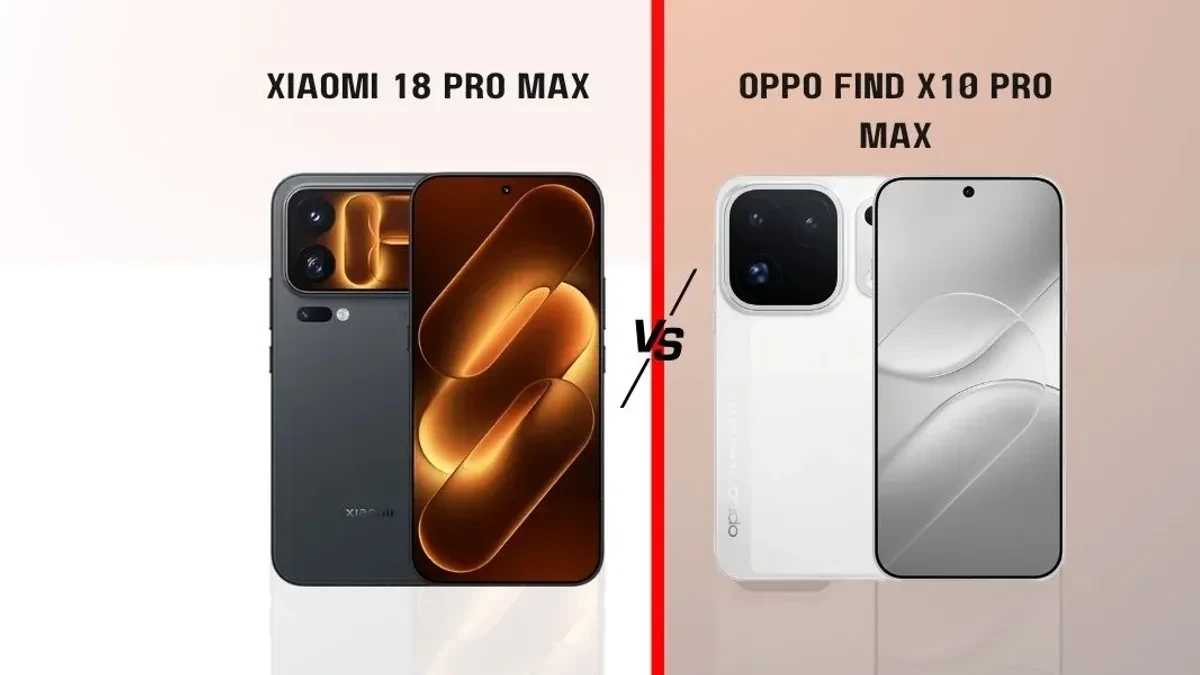
Xiaomi's 18 Pro Max and Oppo's Find X10 Pro Max are high-end smartphones built around 2nm processors, batteries above 8,000mAh, and ambitious camera systems. Global pricing has not yet been announced. The practical choice is already clearer: Xiaomi prioritizes battery endurance and a rear display, while Oppo puts its effort into three 200MP cameras and Hasselblad imaging.
Oppo introduced the Find X10 Pro Max on September 22, and Xiaomi followed less than 24 hours later with the 18 Pro Max. Both phones target buyers who want the most advanced hardware available, but they solve different problems. One is designed to make the rear panel more useful, while the other treats every major camera angle as a high-resolution shooting opportunity.
Two flagship designs with very different priorities
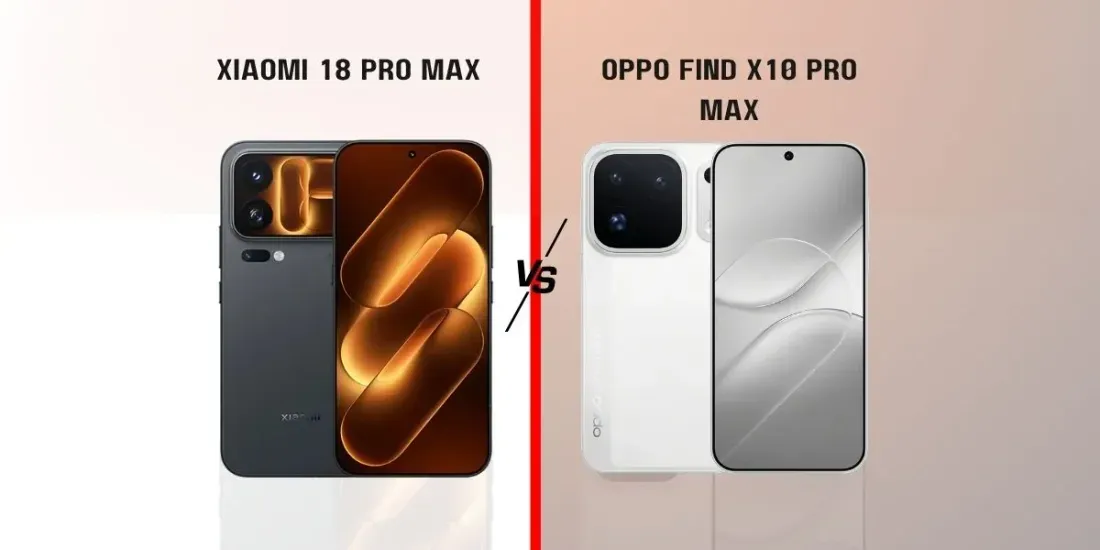
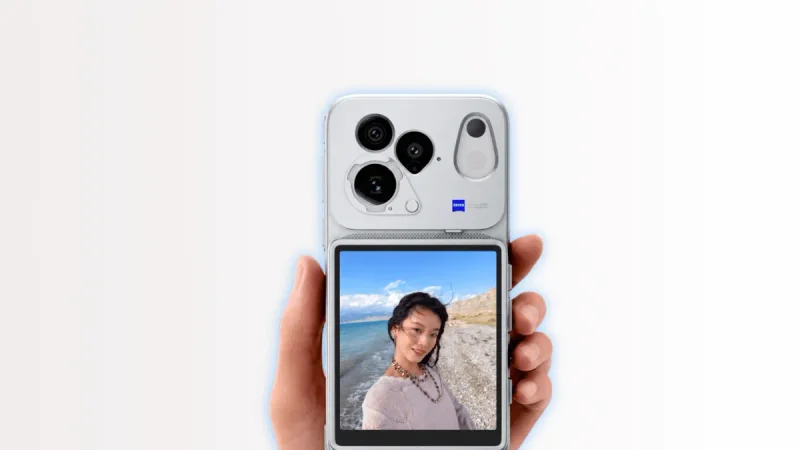
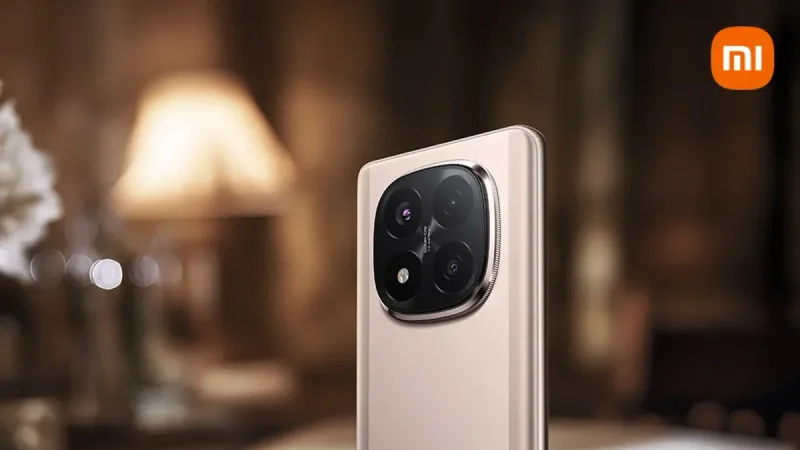
The Find X10 Pro Max stays close to Oppo's established visual language. Its squircle-shaped camera housing contains three cameras, while the LED flash sits in a separate vertical pill. The Moon White model uses a single piece of glass with two contrasting textures, while the Warm Orange and Light Titanium versions use a sanded finish. A Hasselblad logo references the material sections of classic film cameras.
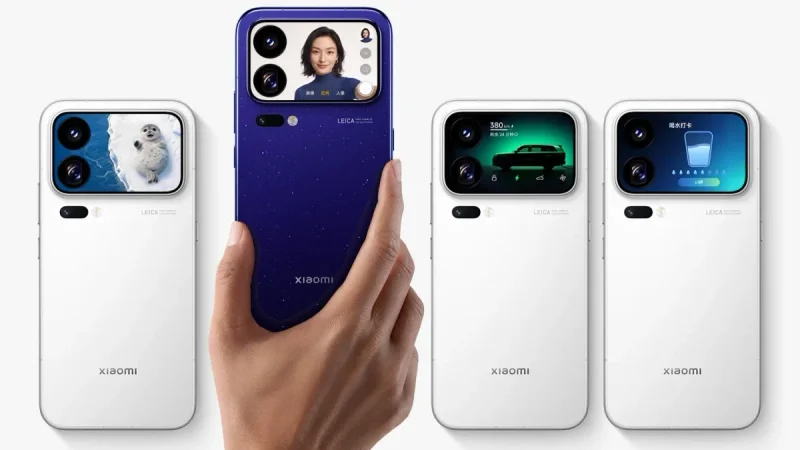
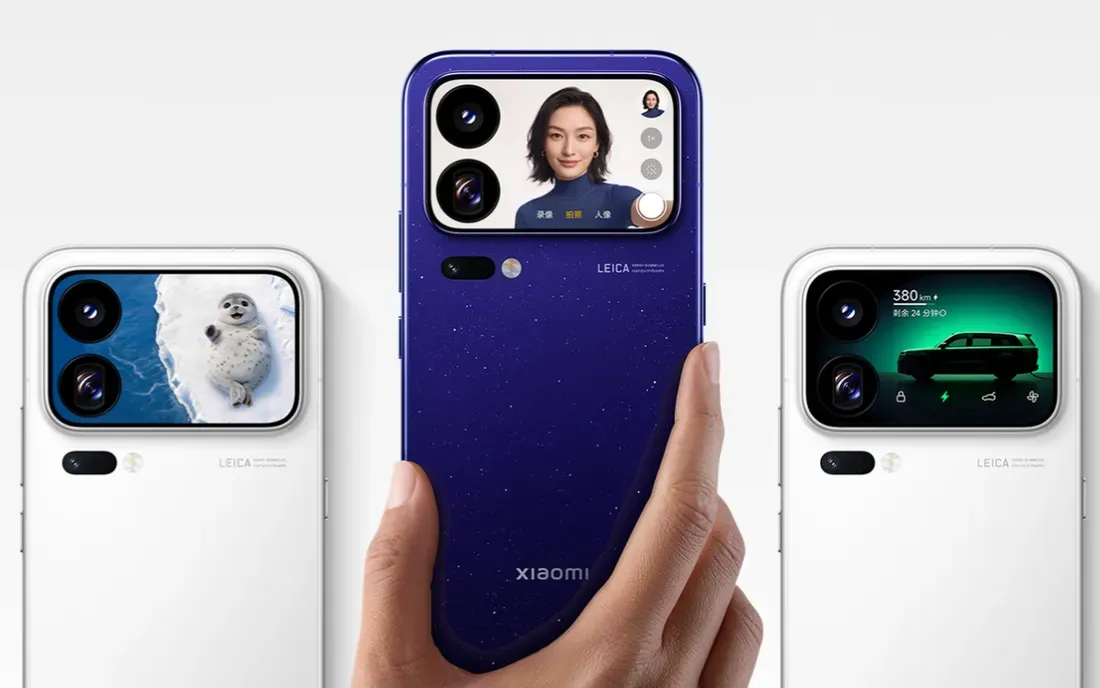
Xiaomi takes a more unusual route by placing a 2.9-inch AMOLED display on the back of the 18 Pro Max. It runs at up to 120Hz and reaches 4,000 nits, giving the rear panel a role beyond decoration. Users can add images of themselves, pets, or characters, then use Xiaomi's AI to create custom avatars. More than 100 app cards are supported at launch, including productivity, entertainment, and text-generated AI cards.
The rear screen can also display a voice assistant capable of holding conversations, remembering context, and controlling Mi Home devices without requiring users to turn the phone around. Xiaomi is even offering NFC-enabled plush toys that attach to the phone and alter the rear display. That makes the feature more playful than practical for some buyers, but it also gives the 18 Pro Max an identity that Oppo's conventional rear panel does not have.
Oppo maximizes camera resolution, while Xiaomi emphasizes optics
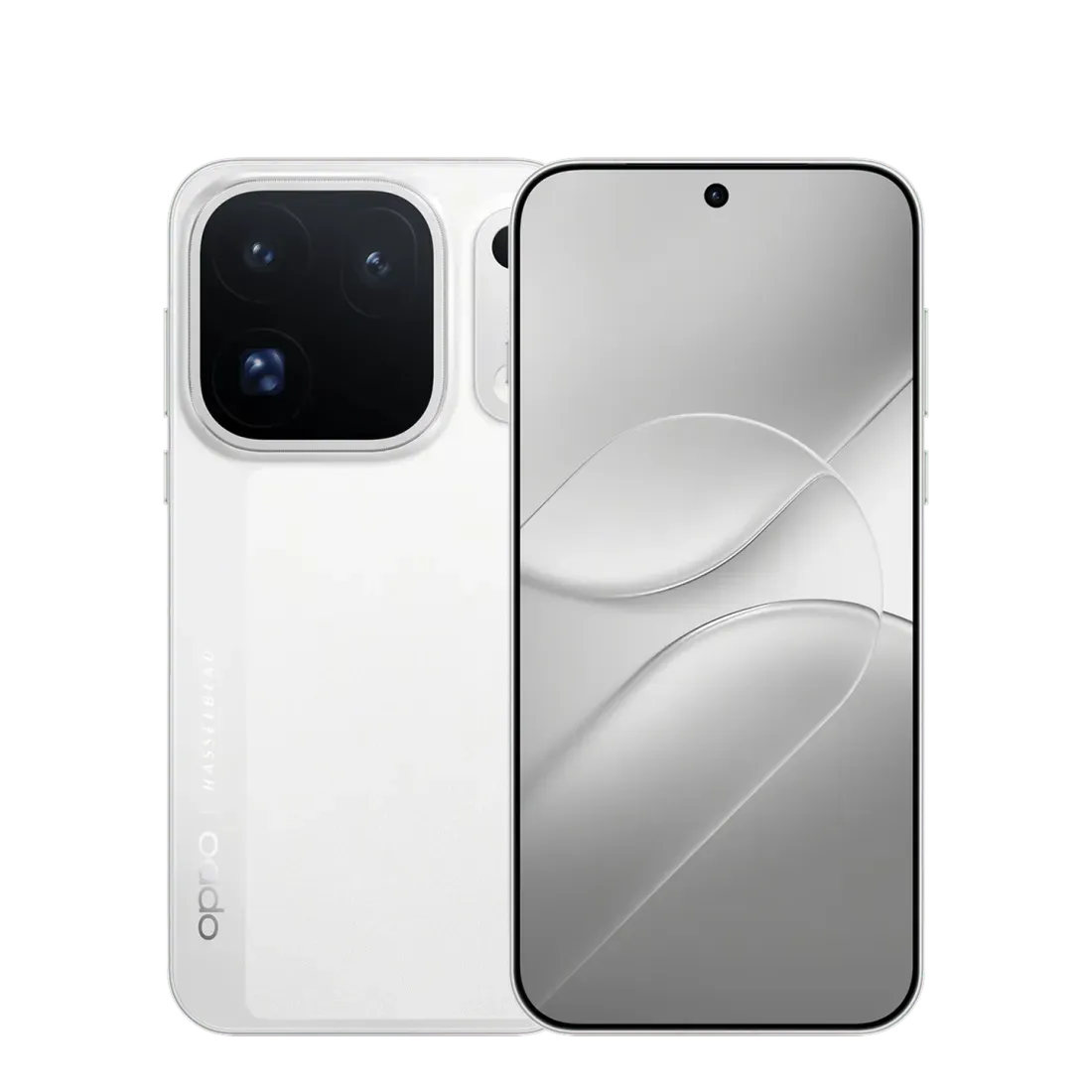
The Find X10 Pro Max is the first phone in this comparison to use 200MP sensors across its ultra-wide, main, and telephoto cameras. Its main camera uses a 1/1.3-inch sensor, a 24mm equivalent focal length, and an f/1.5 aperture. Oppo claims up to 17 stops of dynamic range, while CIPA 6.5 stabilization is intended to keep handheld images steady.
Its 200MP telephoto camera uses a 1/1.56-inch sensor, a 70mm equivalent focal length, and an f/2.1 aperture. It can focus as close as 10cm for macro photography and carries a CIPA 7.5 stabilization rating. The 124-degree ultra-wide camera also uses a 1/1.56-inch sensor and an f/2.2 aperture. Oppo says it captures 202% more light than the previous generation. A second-generation Danxia color lens samples 24 spectral channels to improve color reproduction in photos and video.
Xiaomi uses a 200MP 1/1.28-inch Light Hunter 960L main sensor paired with a Leica Optics Summilux lens. Its 1G+6P construction and multiple coatings are designed to reduce reflections, fogging, ghosting, and glare. The 200MP periscope telephoto camera uses a 1/1.56-inch sensor, an f/2.4 aperture, 3.2x native optical zoom, up to 12.8x lossless zoom, and 12cm macro focusing. The ultra-wide camera is a 50MP unit with a 102-degree field of view and autofocus from 5cm.
The software philosophies differ as much as the hardware. Xiaomi says its first end-to-end large-scale imaging model was trained on millions of real camera photos and processes raw sensor data in the cloud. Its A Legendary Moment system includes simulated depth of field based on 75mm and 2035mm optics, plus Legendary CCD, black-and-white film, and Contemporary Classic styles. Oppo leans on Hasselblad profiles, including Master Mode and XPan Mode.
2nm performance meets unusually large batteries
Oppo's phone uses MediaTek's Dimensity 9600 Pro, a TSMC 2nm chip with a 2+3+3 all-big-core CPU layout. Xiaomi uses Qualcomm's Snapdragon 8 Elite Extreme Gen 6, also made on TSMC's 2nm process. Its 2+6 all-big-core design uses Qualcomm's fourth-generation Oryon architecture and reaches up to 5GHz.
Xiaomi reports an average frame rate of 59.26fps over one hour at the highest graphics settings, with a maximum temperature of 43.6 degrees Celsius. A 5,513-square-millimeter ring-shaped cold-pump vapor chamber helps spread heat. That gives the Xiaomi model a particularly clear appeal for long gaming sessions, although the source does not provide comparable performance testing for Oppo.
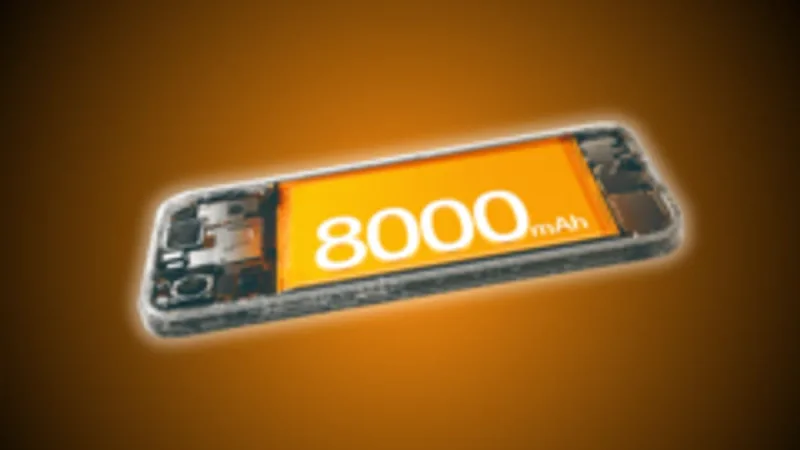
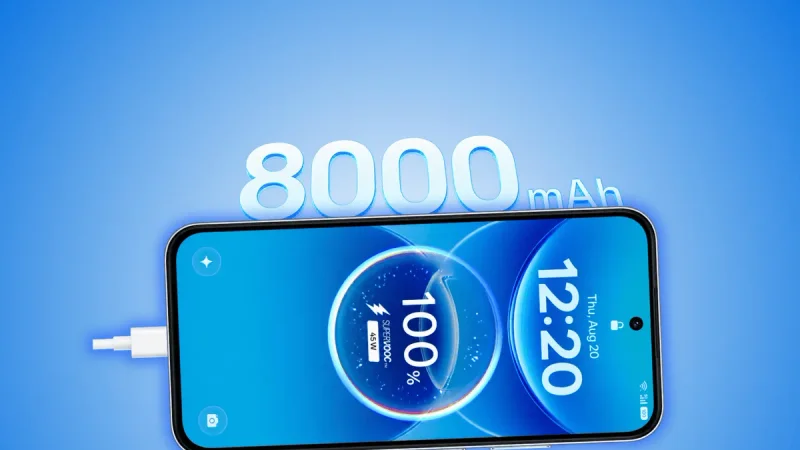
The 18 Pro Max also has the larger battery: 8,500mAh versus 8,000mAh in the Find X10 Pro Max. Both use stacked silicon-anode technology and irregular internal layouts to fit more capacity into their chassis. Xiaomi claims up to 32% silicon content, 946Wh/L energy density, and more than 80% capacity retention after 2,000 full charge cycles. Oppo makes a five-year battery durability claim.
Xiaomi supports 100W wired and 50W wireless charging, while Oppo offers 80W wired and 50W wireless charging. Xiaomi additionally supports the 100W PPS universal standard, which should make its fastest charging mode more adaptable to compatible third-party chargers.
Which flagship makes more sense?
The Xiaomi 18 Pro Max is the more distinctive device. Its rear display, larger battery, 100W PPS support, and gaming-focused thermal claims suit users who want long sessions away from an outlet and enjoy experimenting with unusual phone features. Its transparent edition is limited to 16GB of RAM and 1TB of storage, while fiberglass versions weigh 235 grams and glass versions weigh 240 grams.
The Oppo Find X10 Pro Max is the more focused camera proposition. Three 200MP sensors cover its key focal lengths, and the combination of Hasselblad shooting modes, strong stabilization claims, and a dedicated color lens may appeal to photographers who prefer a familiar rear-camera layout.
Neither phone has a confirmed global price or regional release schedule in the available material. For now, the comparison comes down to priorities rather than a simple specification win: Xiaomi makes the phone itself part of the experience, while Oppo concentrates on turning every major camera into a high-resolution capture tool.