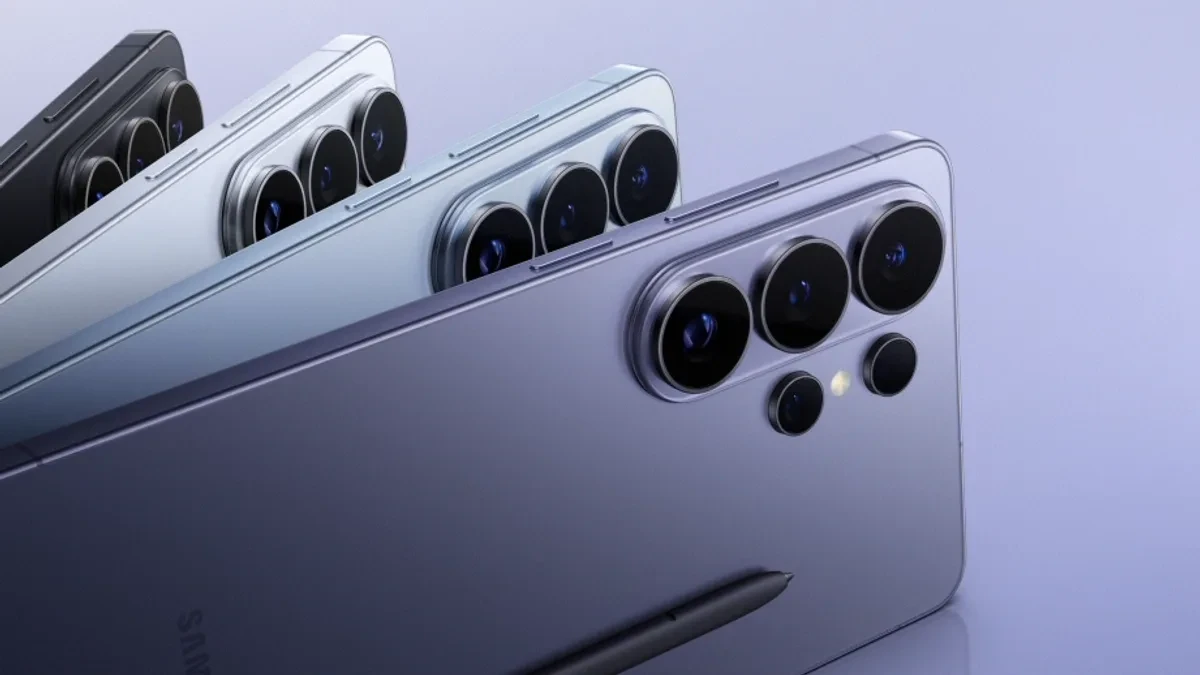
The smartphone industry is facing an uncomfortable reality as the cost of essential components continues to climb. Samsung is currently evaluating potential price adjustments for its existing Galaxy S26 series, a move that would break the traditional cycle of keeping retail prices static once a phone hits the shelves. While the company has emphasized that no final decisions have been made, reports suggest a potential increase of approximately $110 per model in the South Korean market, with an implementation date potentially as early as October 1.
This consideration comes at a time when major manufacturers are struggling to balance razor-thin margins against a massive surge in supply chain expenses. If finalized, the price hike would affect the Galaxy S26, S26+, and the flagship S26 Ultra, marking a significant departure from standard post-launch pricing strategies.
The Memory Chip Crisis
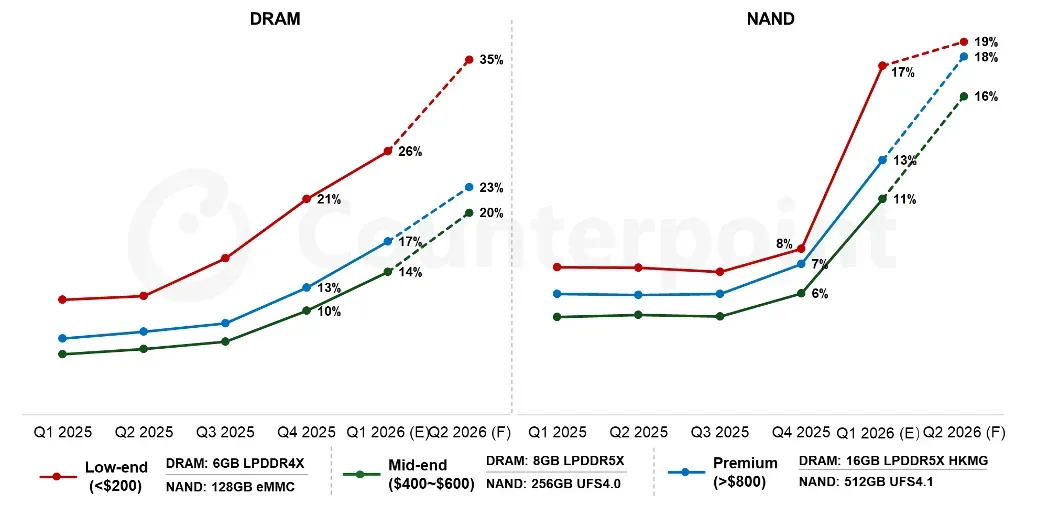
The driving force behind this potential adjustment is the dramatic rise in the cost of memory chips. Data from the second quarter indicates that smartphone memory costs have jumped by over 80 percent compared to the previous quarter, and in some assessments, are as much as 300 percent higher than the same period last year. For the first time in recent history, memory has eclipsed the processor as the single most expensive component in a smartphone build.
Samsung’s own mobile division reported an operating loss of roughly 700 billion won (approximately $525 million) in the second quarter. The company paid about 211 percent more for mobile memory in the first half of the year compared to the previous year, placing immense pressure on their bottom line. With these margins being squeezed so aggressively, the sustainability of current retail pricing has become a central point of internal debate.

A Market-Wide Shift
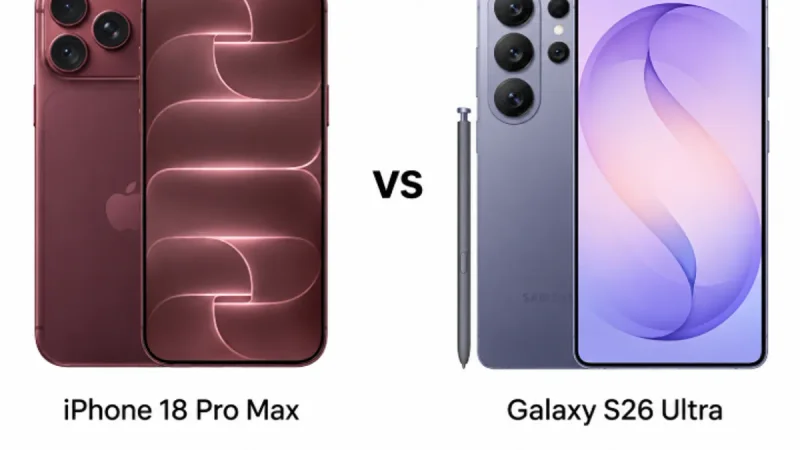
Samsung is not alone in navigating this volatile landscape. Following the September 9 launch event, Apple discontinued the iPhone 17 Pro models and adjusted the pricing structure of its remaining lineup, with the new iPhone 18 Pro units carrying a $100 premium over their predecessors. This industry-wide trend suggests that the era of stable mid-cycle pricing may be coming to a close as brands look to offload the burden of rising production costs onto the consumer.
While the current discussion around the Galaxy S26 series is centered on the South Korean market, the implications for global consumers are clear. If component prices do not stabilize, future flagship releases, such as the rumored Galaxy S27 series, were already trending toward higher entry points. For now, Samsung is weighing the risk of alienating its user base against the financial necessity of recovering mounting production costs. Global pricing and regional availability beyond the reported domestic adjustments have not yet been announced.