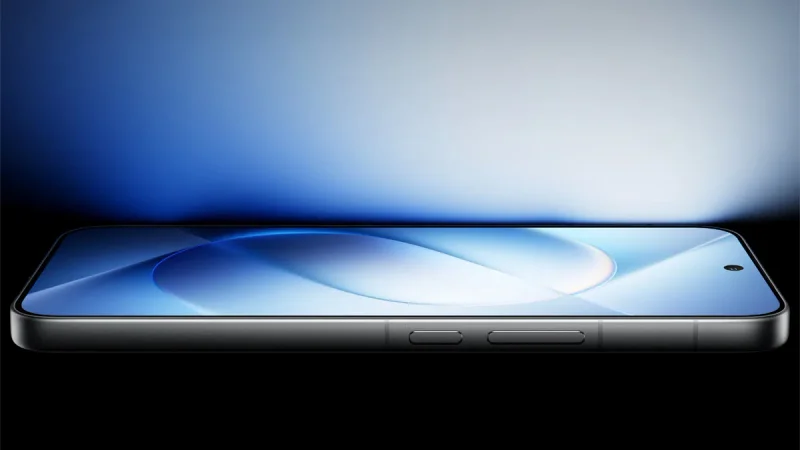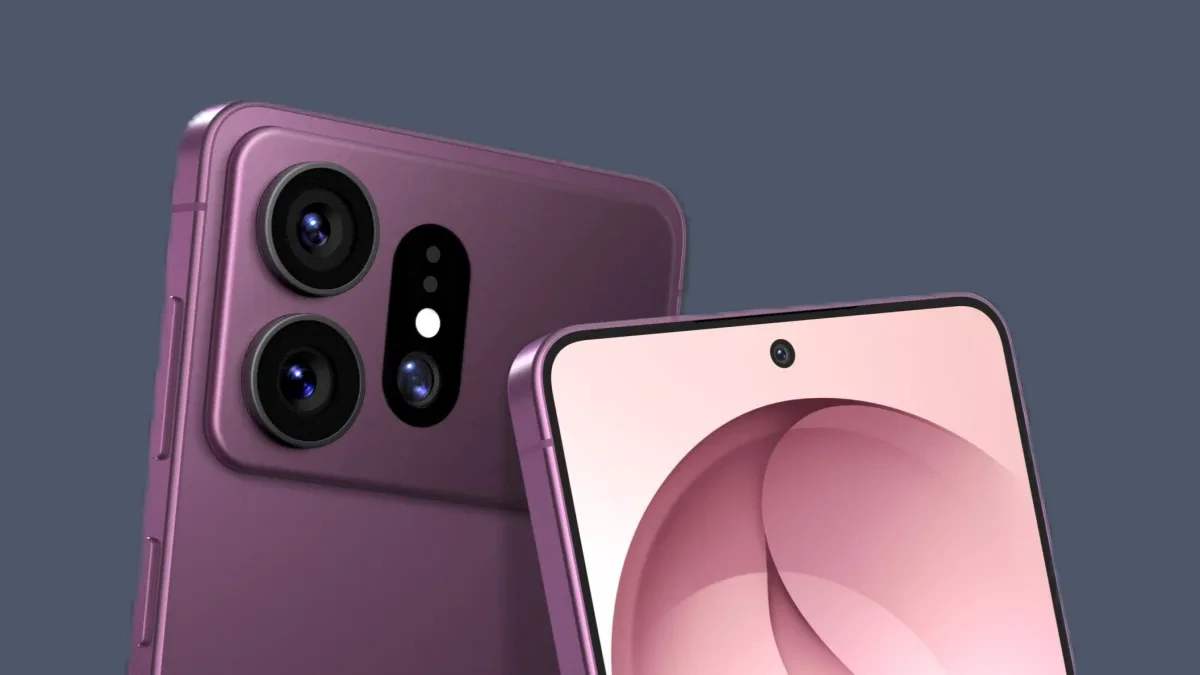
Samsung is preparing a significant display overhaul for its upcoming Galaxy S27 flagship series, aiming to standardize higher-quality OLED technology across its entire premium lineup. According to industry reports from ETNews, the company intends to transition its flagship devices to the advanced M16 OLED material set, a move designed to enhance visual fidelity and battery longevity through improved power efficiency.
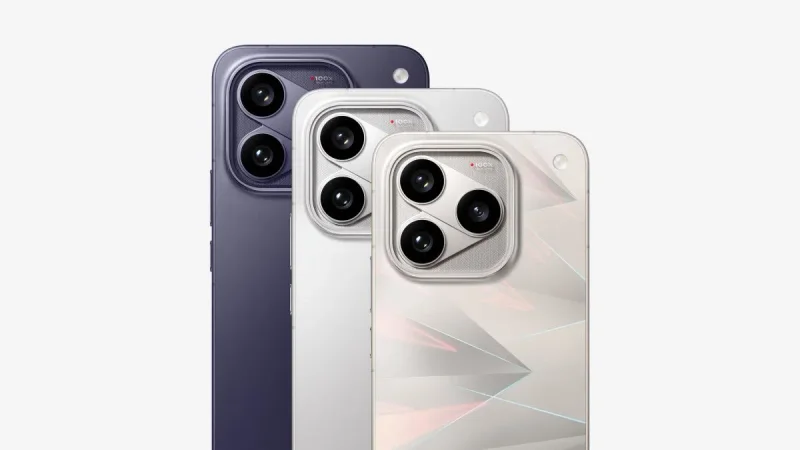
The most substantial upgrades are slated for the Galaxy S27 Pro and the top-tier Galaxy S27 Ultra, which will serve as the first Samsung devices to utilize the M16 material. This technology is already gaining traction in the high-end market through integration in the iPhone 18 Pro series and the iQOO 16, signaling a major shift in display standards for the coming year. Beyond the material change, Samsung is reportedly incorporating Color Filter on Encapsulation (COE) technology, which removes the traditional polarizer to boost brightness while further reducing power consumption.
A Tiered Approach to Display Innovation
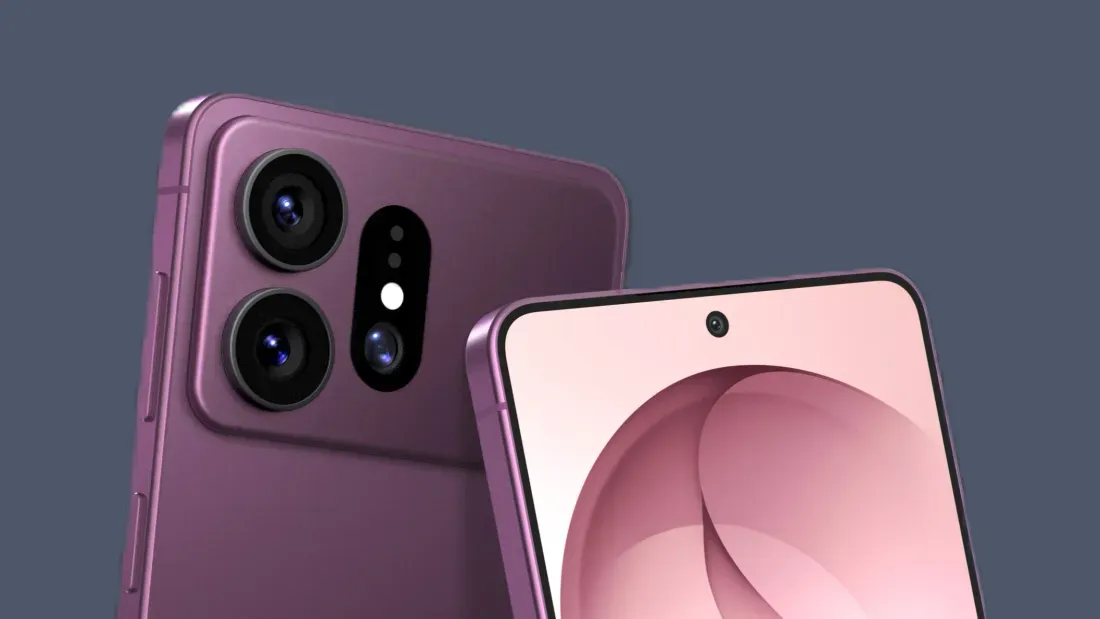
While the Ultra and Pro models take the lead with M16 panels, the standard Galaxy S27 and S27 Plus are not being ignored. Current reports suggest these models will shift to M14 panels, marking a notable upgrade from the M13 material used in previous generations. By distributing these material improvements across all four models, Samsung is effectively raising the performance floor for its flagship family, ensuring that even entry-level premium buyers benefit from better screen technology.
Efficiency remains the core focus of this transition. Samsung Display has previously demonstrated that its newer material sets can deliver up to 30 percent better power efficiency compared to older generations. For the end user, this translates to more reliable screen-on time, particularly when pushing peak brightness levels outdoors or consuming high-dynamic-range content. The inclusion of Privacy Display features on the Pro and Ultra models further differentiates these devices, providing users with specialized viewing angles that prevent prying eyes from reading sensitive information in public spaces.

Anticipating the 2027 Flagship Landscape
With screen sizes expected to range from roughly 6.27 inches on the base model to 6.89 inches on the Ultra, Samsung is maintaining its strategy of offering a form factor for every preference. The integration of these display technologies, coupled with the refined sizing, suggests a deliberate attempt to keep the Galaxy S27 series competitive against a rapidly evolving field of mobile hardware.
While the technical specifications for these panels are promising, the real-world impact will depend on how Samsung calibrates its software to leverage these hardware gains. As the industry moves toward the first quarter of 2027, the focus will shift to how these display advancements harmonize with the of mobile processors and camera systems. Global pricing and regional availability have not yet been announced.