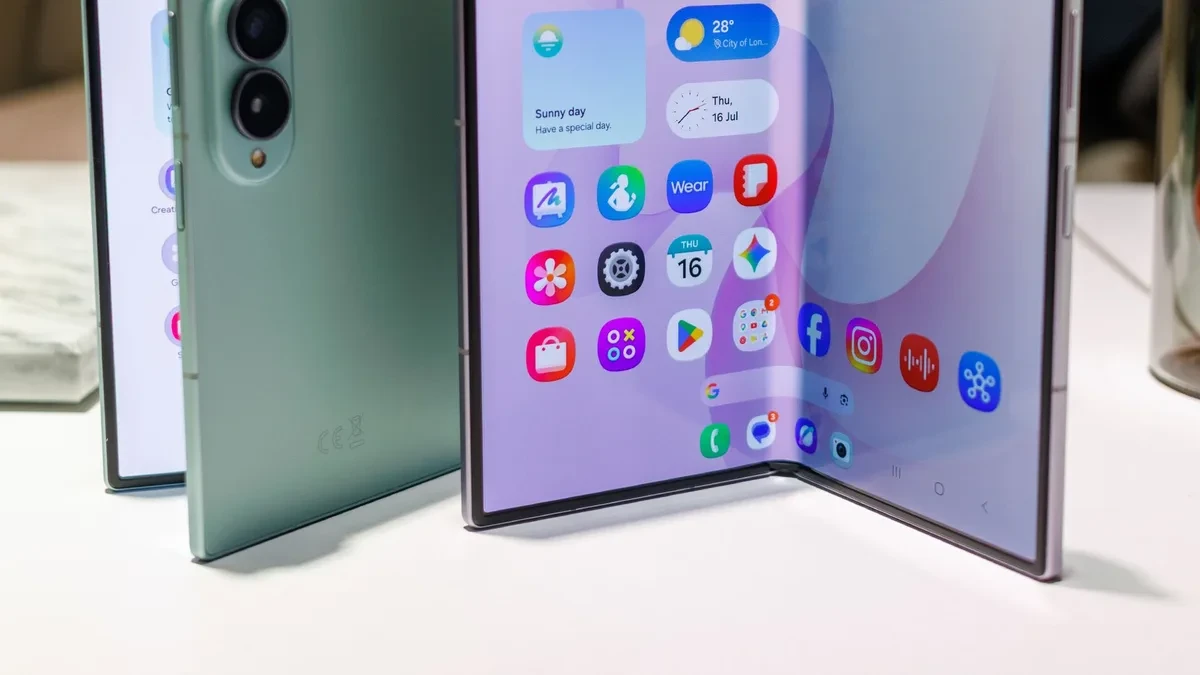
Samsung's push to make folding phones practical reaches an intriguing milestone with the Galaxy Z Fold8. Tipping the scales at a remarkably light 201 grams and measuring under 9.7 mm when folded shut, this hardware directly targets the single biggest complaint of previous book-style foldables: bulky, cramped cover displays that feel awkward during basic mobile tasks.
With an estimated starting price of $1,899, the Galaxy Z Fold8 bridges the gap between pocketable smartphones and small tablets better than any of its predecessors. However, squeezing complex hinge components and flagship silicon into such a thin chassis forces clear engineering trade-offs in continuous processing output, speaker depth, and telephoto hardware.
Fixing the Cover Screen Aspect Ratio Dilemma
For years, multi-window foldables suffered from an awkward outer aspect ratio. Owners were forced to type on narrow key clusters when answering quick messages on the go, making simple text entry feel like a precise dexterity test. The Galaxy Z Fold8 revises this paradigm by adopting a wider 10:16 aspect ratio on its outer display. The extra width dramatically improves standard one-handed utility, giving digital keyboards room to breathe and providing a familiar smartphone experience without opening the device.
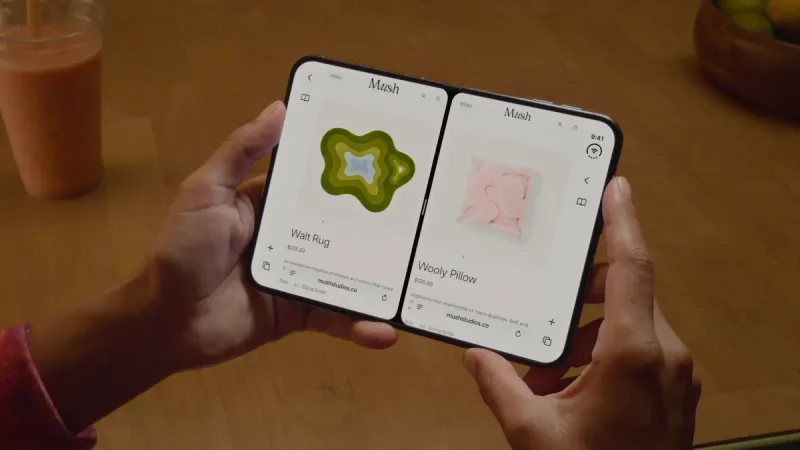
Unfolding the hardware exposes a broad 7.6-inch main workspace with a balanced 4:3 aspect ratio. This canvas transforms routine tasks into high-efficiency workflows. Web pages display desktop-style layouts, e-books match true print proportions, and multi-app split screens offer genuine utility rather than squished mobile windows. Dropping total weight to 201 grams also alleviates hand fatigue during extended reading or video viewing sessions.
Engineering Compromises in a Slimmer Chassis
Achieving a sub-9.7 mm folded profile requires strict internal spatial management, and those hardware cutbacks reveal themselves under heavy usage. Thermal dissipation remains a primary bottleneck. Under sustained gaming or heavy multitasking workloads, the device exhibits noticeable performance throttling as software governors limit clock speeds to manage heat in the compressed frame.
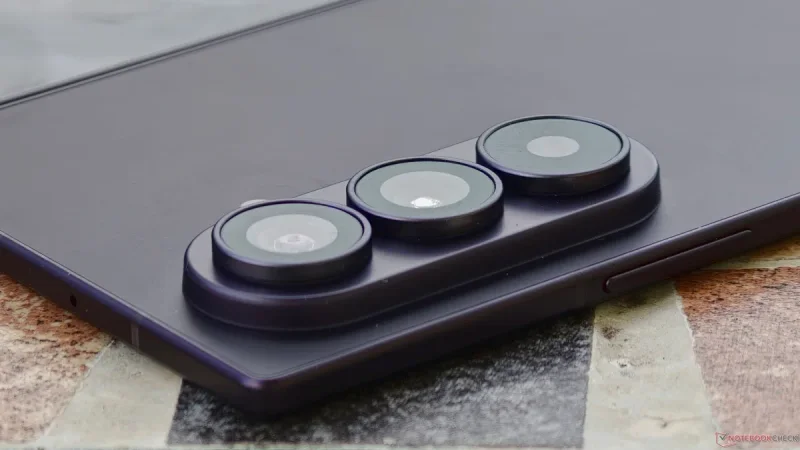
Acoustic performance and camera flexibility take similar hits. The ultra-thin perimeter leaves limited resonance space for the speaker assemblies, resulting in audio output that lacks low-end punch compared to standard flagship slabs. Furthermore, space constraints mean the camera module sacrifices advanced telephoto zoom capabilities, relying instead on primary sensor cropping for long-distance shots. While day-to-day photos remain crisp, optics enthusiasts will notice the missing dedicated reach.
Luxury Innovation Versus Daily Utility
Ergonomically, the wider proportions present a slight double-edged sword. While typing is vastly improved, users with smaller hands may find one-handed navigation across the wider cover screen somewhat challenging. Unfolding the device still demands two hands for stable operation, keeping it firmly in hybrid territory rather than pure single-hand territory.
At its current premium price tier, the Galaxy Z Fold8 remains an aspirational device rather than an immediate replacement for standard glass slabs. It proves that the foldable concept can offer elite tablet utility without punishing the user with excessive pocket weight. Until manufacturing costs decrease and thermal dissipation in ultra-slim designs improves, this form factor remains a compelling look at mobile computing rather than the universal default.