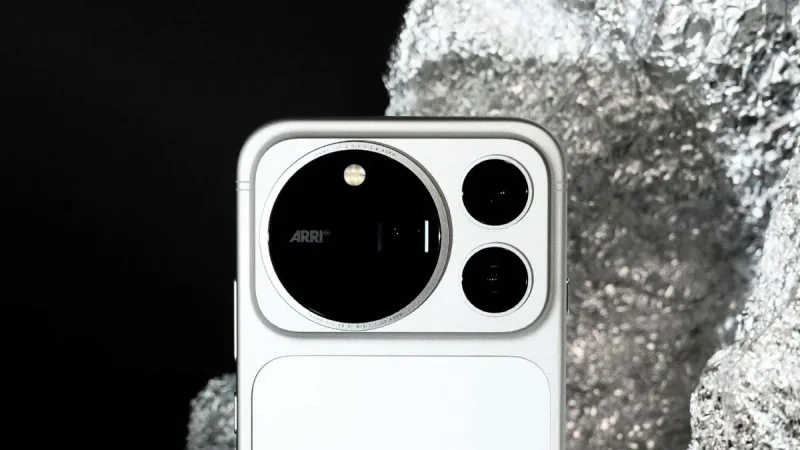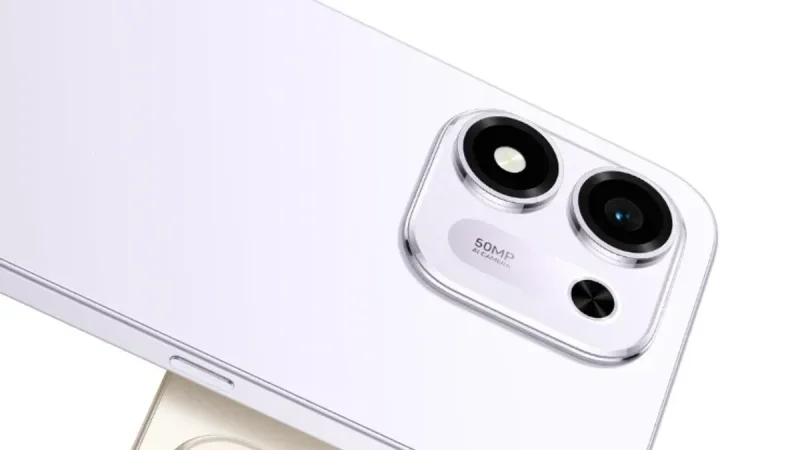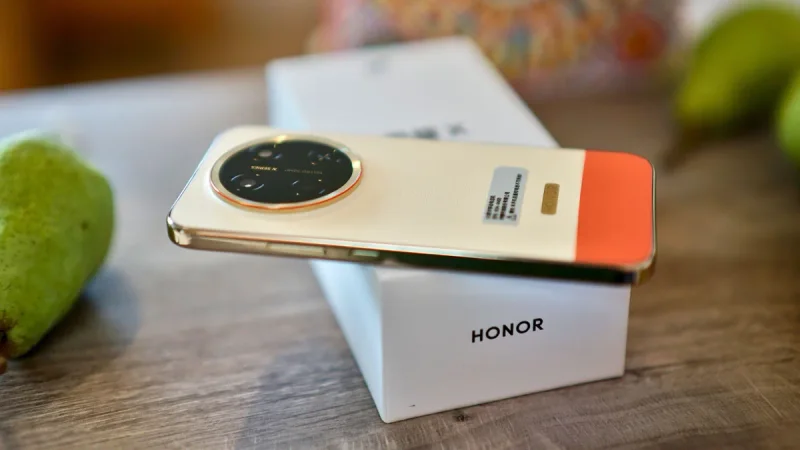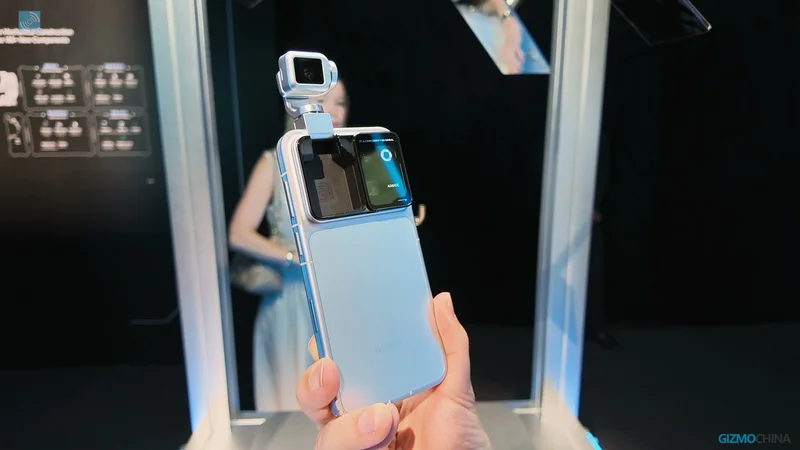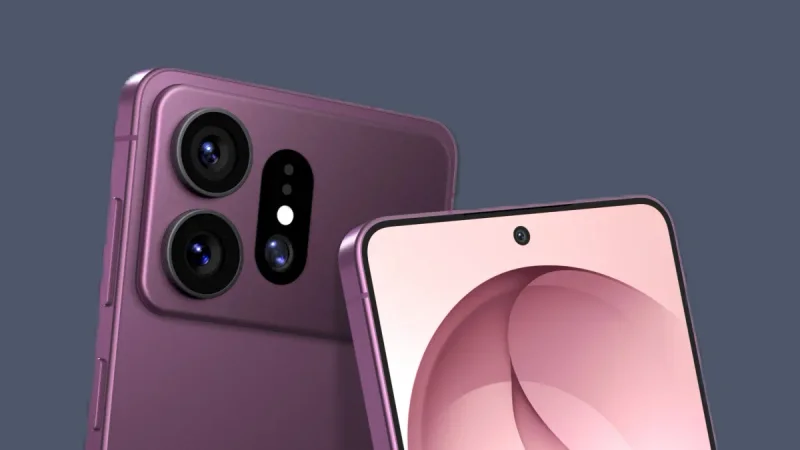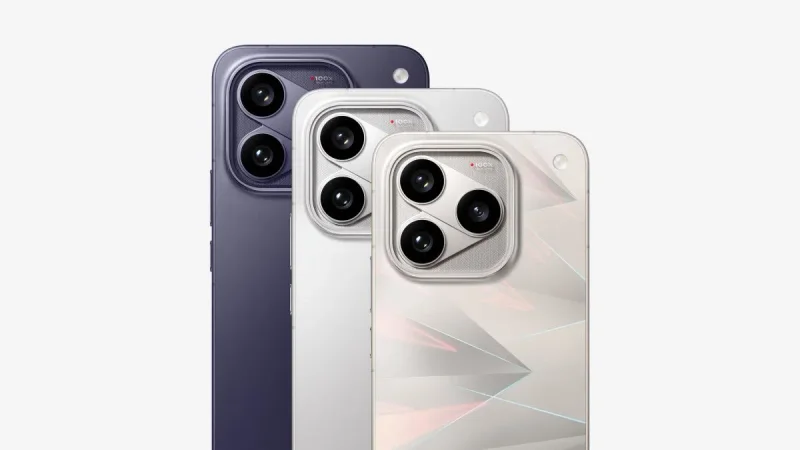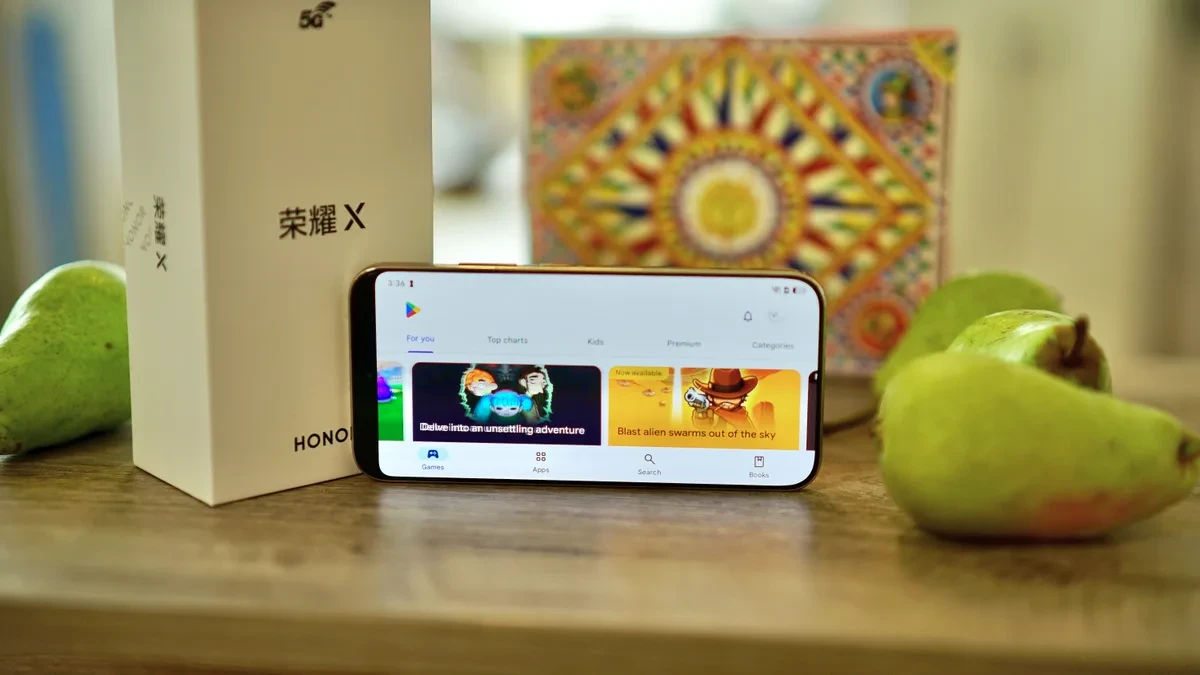
Finding a mid-range smartphone that genuinely stands out usually requires hunting through subtle software tweaks or minor camera upgrades. The Honor X80 Pro Max breaks that mold entirely by pushing display luminance into absurd territory. Retailing through import channels for around $463, this sleek device pairs an exceptionally large battery with an AMOLED panel so luminous it literally pushed laboratory measurement tools beyond their official technical limits.
Despite its modest price tag, the phone challenges high-end flagships in sheer outdoor visibility. Honor managed to fit a massive power cell inside a thin chassis, creating a rare combination of extended battery life and high peak display output. However, buyers looking to order one will need to navigate a few notable import trade-offs and display engineering compromises.
Blinding Luminance That Tests Hardware Limits
At first glance, the front panel specs look fairly standard for modern upper mid-range devices. The Honor X80 Pro Max features a 6.8-inch AMOLED panel running a resolution of 2,788 x 1,280 pixels. However, the real engineering story lies in its backlight output capabilities. During full-screen illumination under direct simulated sunlight, the panel sustained an impressive 1,828 nits (cd/m²), guaranteeing readability in harsh outdoor conditions.
The real shock occurs when playing HDR content in small highlights. Honor officially advertises a theoretical peak brightness of 10,000 nits. While real-world testing could not hit that astronomical marketing figure, the display reached a astonishing 5,358 nits. That result actually overwhelmed the standard X-Rite i1 Pro 3 spectrometer used for testing, which is technically rated to measure up to 5,000 nits. The sensor managed to read the luminance thanks to safety headroom, but the test highlights just how aggressively manufacturers are pushing current OLED panel drivers.
Big Battery Efficiency Meets Import Compromises
Beyond its eye-searing screen, the X80 Pro Max addresses one of the most common user frustrations: battery anxiety. Honor engineered the device to accommodate a high-capacity battery without sacrificing thinness. This design keeps the phone manageable in one hand while offering multi-day endurance under typical workloads.
The main catch for buyers in Western markets is availability. The phone is currently sold primarily as a Chinese import starting at roughly $463. Importing a phone has become far less risky over the years, but regional limitations remain. Buyers must accept restricted eSIM compatibility and potential missing local network bands. If Honor eventually launches a global variant, history suggests the company might downsize the battery capacity to meet stricter European regulatory and logistics standards.
The Engineering Trade-Offs to Consider
No device at this price point escapes hardware compromises, and the X80 Pro Max makes a few distinct stumbles. While the screen excels in absolute brightness, sensitive users may struggle with its dimming behavior. The panel exhibits noticeable Pulse-Width Modulation (PWM) flicker at lower brightness levels, which can trigger eye strain or headaches during late-night reading sessions.
Wireless connectivity also takes a back seat. Test results reveal relatively slow Wi-Fi transfer speeds compared to competitors in the same price tier. Furthermore, Honor has not publicly confirmed a long-term software update commitment for this model, leaving prospective buyers uncertain about future operating system support. For those who prioritize raw screen visibility and battery life above Wi-Fi speed and long-term software guarantees, the X80 Pro Max remains an intriguing hardware achievement.