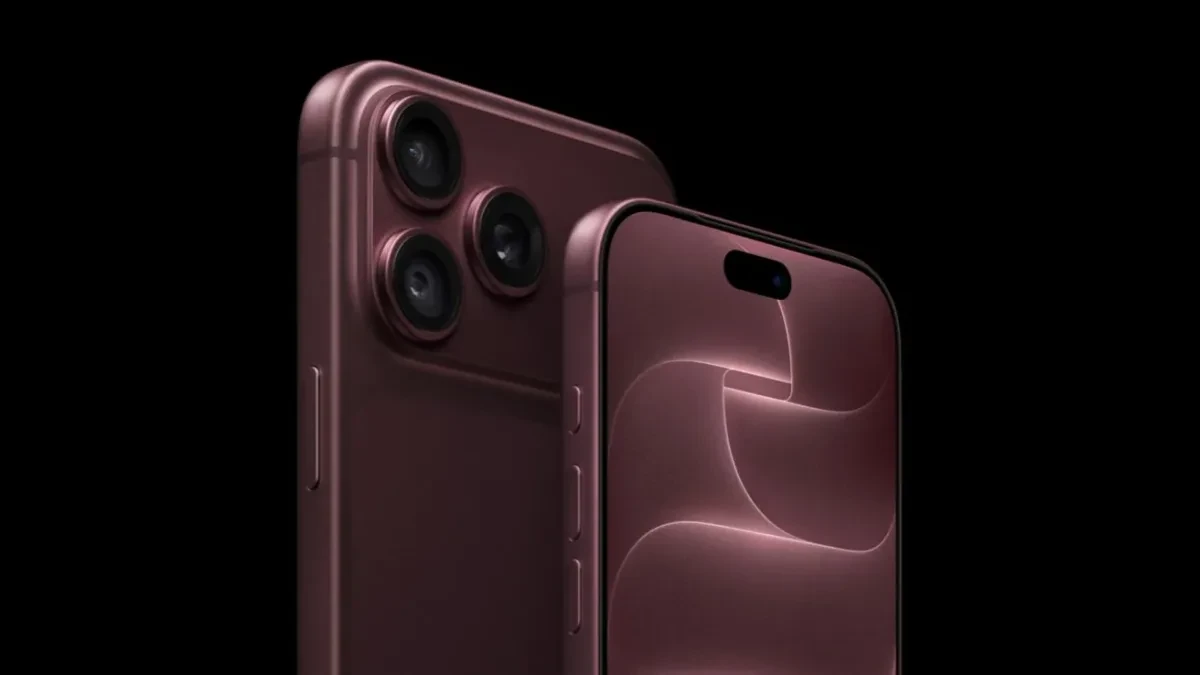
Apple's long-overdue bump in flagship charging speeds is finally materializing with the iPhone 18 Pro series, pushing peak power delivery to 60W. The upgrade promises to refuel the device from zero to 50 percent in just 15 minutes, cutting down standard outlet tethering times significantly. However, early technical breakdown details reveal a familiar friction point: high-wattage power bricks you already own, including Apple's own 96W MacBook USB-C adapter, may not deliver maximum speeds.
While competitor flagship smartphones from Xiaomi and OnePlus have pushed wired charging rates past 100W using proprietary protocols, Apple has traditionally prioritized battery longevity over sheer speed. Moving to 60W represents a meaningful shift for users accustomed to the previous generation's roughly 27W to 35W limits, though navigating Apple's power protocol requirements remains crucial for achieving top performance.
Faster Morning Refuels and Emergency Top-Ups
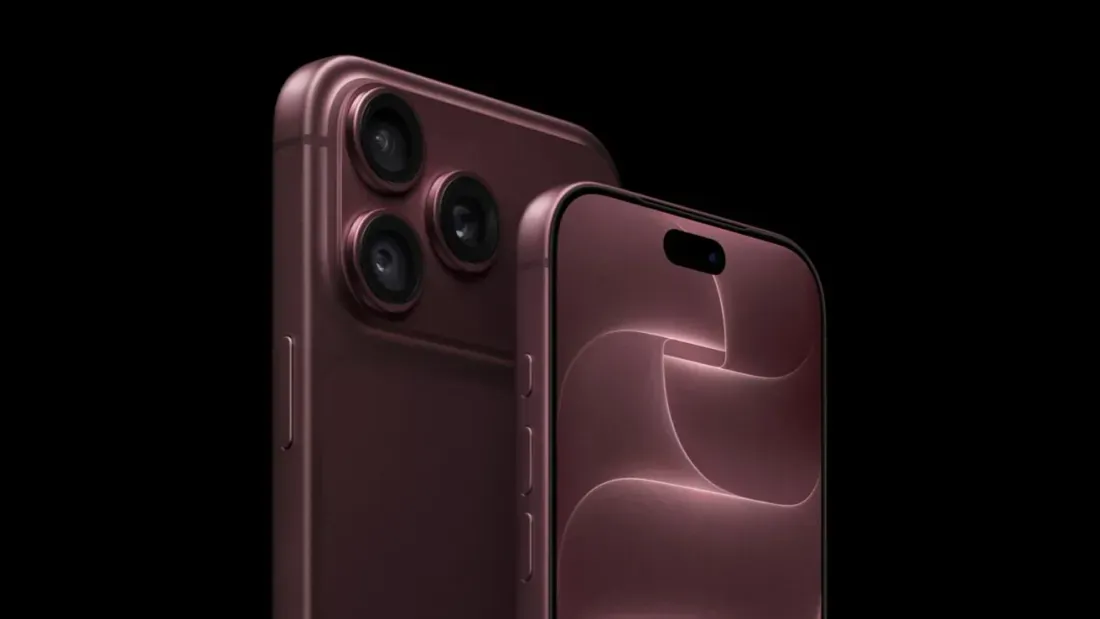
The practical benefits of 60W charging center around short, high-efficiency bursts of power. In real-world testing scenarios, a quick five-minute plug-in at an airport terminal or coffee shop now yields roughly three to four hours of routine light use. Reaching a 50 percent charge in 15 minutes shaves roughly five minutes off the performance of the iPhone 17 Pro, which required about 20 minutes to reach the same threshold.
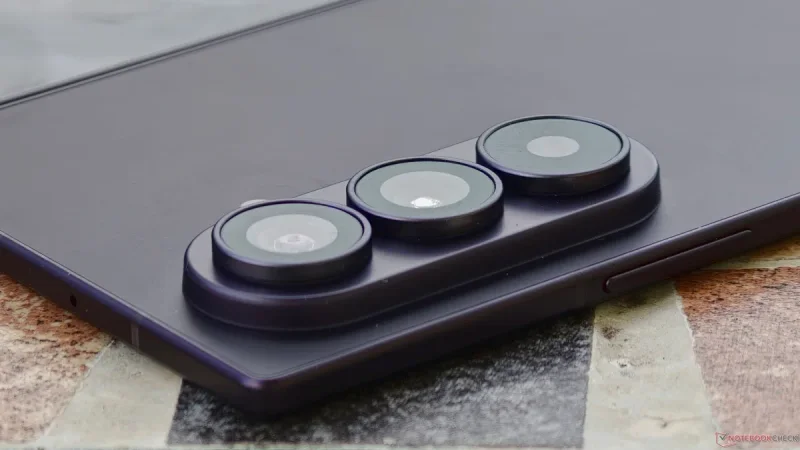
This speed boost relies on optimized thermal management within the phone's internal battery cell architecture. By spreading the electrical load across revised internal power distribution components, the phone sustains higher power throughput during the initial charging stage without generating excessive waste heat that could accelerate chemical degradation over time.
The Protocol Bottleneck: Why Older Power Bricks Fall Short
The core dilemma for buyers lies in USB Power Delivery (USB-PD) standards. Power adapters do not simply push maximum rated wattage into connected electronics; both the charger and device must negotiate compatible voltage and amperage step profiles. Apple's high-power laptop chargers, such as the 96W USB-C power brick introduced with high-end MacBooks, were built around specific high-voltage profiles like 20V at 4.8A.
To draw 60W safely without excessive heat build-up, smaller devices like smartphones often require dynamic voltage regulation standards, such as Programmable Power Supply (PPS) or specific 15V and 20V lower-current tiers (for example, 15V at 4A or 20V at 3A). When an iPhone 18 Pro is connected to an older laptop adapter lacking these exact step profiles or fine-grained PPS negotiation, the two devices fall back to a lower common denominator. As a result, plugging into a 96W MacBook brick may yield only 27W or 35W, completely missing the 60W ceiling.
Selecting the Right Charger and Cable Setup
To guarantee peak 60W performance, users will need a charger supporting modern USB-PD 3.1 specifications with PPS support. Fortunately, compact third-party Gallium Nitride (GaN) chargers offering multi-voltage support have become widely available and inexpensive, often starting around $30 to $45. Additionally, achieving 60W requires a USB-C cable certified for 60W or 100W power delivery, equipped with an embedded E-marker chip to communicate power limits accurately to the device.
While the extra charging requirement creates an initial hardware hurdle for legacy accessory owners, the transition aligns Apple's flagship mobile lineup closer to modern fast-charging standards without requiring dedicated, proprietary wall bricks.