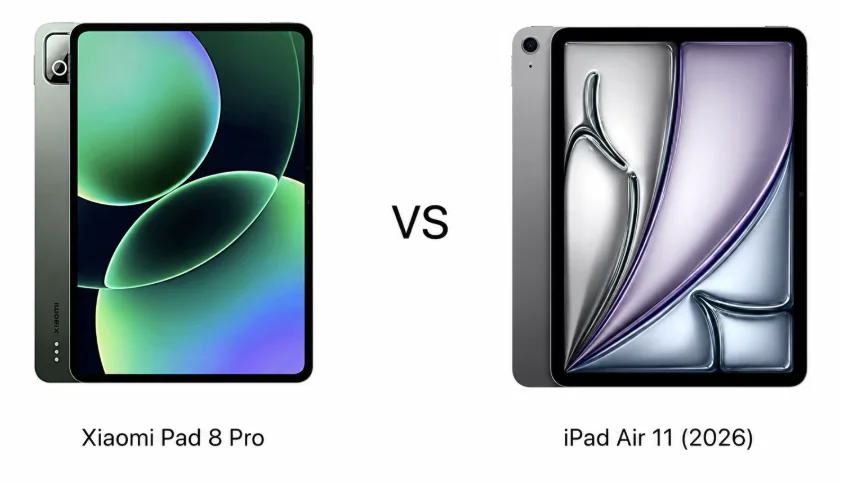
Which Tablet Offers the Best Value: Xiaomi Pad 8 Pro vs iPad Air 11?
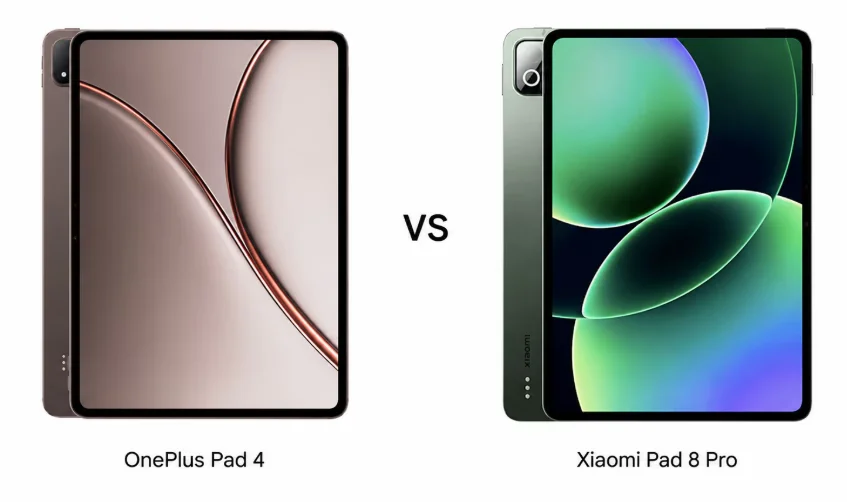
The Xiaomi Pad 8 Pro vs iPad Air 11 debate centers on contrasting philosophies: Xiaomi delivers aggressive hardware specs and value, while Apple focuses on ecosystem integration and polished professional performance. This comparison covers design, display, performance, battery, cameras, and pricing to help you decide which tablet fits your needs.
Xiaomi Pad 8 Pro Display Outshines iPad Air 11
Xiaomi’s Pad 8 Pro brings a 144Hz IPS LCD panel with HDR10, Dolby Vision, and HDR Vivid support, plus a taller 3:2 aspect ratio suited for productivity. Its higher brightness and smoother refresh rate enhance gaming and streaming experiences. In contrast, the iPad Air 11 features a Liquid Retina display with an anti-reflective coating and excellent color accuracy, but the 60Hz refresh rate is conservative for its price range. The Xiaomi display is more modern and media-focused, while the iPad’s screen offers comfort for longer editing or reading sessions.
Performance and Battery: Powerhouse vs Efficiency
The Xiaomi Pad 8 Pro runs on the Snapdragon 8 Elite chipset, paired with up to 16GB RAM and fast UFS 4.1 storage, making it a versatile choice for Android gaming and multitasking. Meanwhile, the iPad Air 11 is powered by Apple’s M4 chip, widely regarded as the standard for tablet-class performance, excelling in video editing and creative workloads on iPadOS. Battery-wise, Xiaomi equips its tablet with a larger 9200mAh battery and 67W fast charging, including reverse wired charging. Apple’s battery optimization delivers reliable endurance but slower charging speeds feel outdated compared to Xiaomi’s setup. Related coverage: iBall Cinebar 560 Soundbar Brings 5.1 Channel Surround Sound to Homes.
Camera: Xiaomi’s Hardware vs Apple’s Processing
Neither tablet targets photography as a primary function, yet both manage casual shooting and document scanning well. Xiaomi’s Pad 8 Pro features a 50MP rear camera with HDR and 4K video at 60fps, plus a 32MP ultrawide front camera that captures detailed, wide-angle shots ideal for video calls. The iPad Air 11 offers a 12MP rear sensor with strong image processing and gyro-EIS stabilization, plus a 12MP ultrawide front camera optimized for smooth FaceTime video quality. Xiaomi’s hardware shines on the front camera, while Apple’s software polish delivers steadier video communication.
Price Gap Shapes Value Discussion
The Xiaomi Pad 8 Pro is priced around ₹47,000 ($500), undercutting the iPad Air 11’s starting price near ₹65,000 ($600). Xiaomi packs flagship specs—Snapdragon 8 Elite, a 144Hz screen, bigger battery, fast charging, quad speakers, and higher resolution cameras—into a more affordable package. Apple justifies the premium cost with the M4 chip’s desktop-level power, extended software support, and seamless integration within its ecosystem. For creative professionals or users invested in Apple devices, the iPad Air 11’s price premium can be worthwhile. However, casual users may find Xiaomi’s offering more compelling.
Xiaomi Pad 8 Pro Balances Entertainment and Versatility
Overall, the Xiaomi Pad 8 Pro delivers a vibrant display, robust performance for gaming and multitasking, and a battery system designed for long use and quick recharge. Its feature set appeals to media consumers and users seeking value without compromising hardware quality. Meanwhile, the iPad Air 11’s strengths lie in efficient processing, polished app experiences, and the advantages of the Apple ecosystem, making it a strong option for productivity and professional workflows.
Choosing between these tablets depends on your priorities: if you want maximum hardware and entertainment value for the price, Xiaomi leads. If you prioritize software optimization, ecosystem integration, and professional-grade apps, Apple remains the preferred choice.
(Via)