
Smartphone enthusiasts hoping for deep discounts during upcoming sales events might face a reality check. Rising component costs are reshaping the industry, with memory chips now emerging as the most expensive element in modern mobile devices.
- RAM and storage now account for over 50 percent of a device’s total bill of materials.
- Memory costs for the Nothing Phone (4a) doubled between development and launch, then doubled again.
- Global smartphone prices have increased by approximately $100 compared to previous generation models.
- DRAM prices have surged by 10 to 30 percent in 2026, largely driven by the ongoing AI boom.
The Hidden Cost of Your Next Smartphone

Nothing CEO Carl Pei recently highlighted the shifting financial landscape of mobile manufacturing. In a public statement, he noted that the combined cost of RAM and storage has reached unprecedented levels. For manufacturers, this creates a difficult environment where supply quotas are limited and component procurement requires paying significant premiums.
This trend is not isolated to a single brand. Major players including Samsung, Xiaomi, and Google are grappling with these same supply chain constraints. As a result, the aggressive promotional pricing consumers have grown accustomed to is becoming increasingly scarce. The industry is currently seeing a shift where price hikes are becoming the standard rather than the exception.
Impact Across the Tech Ecosystem
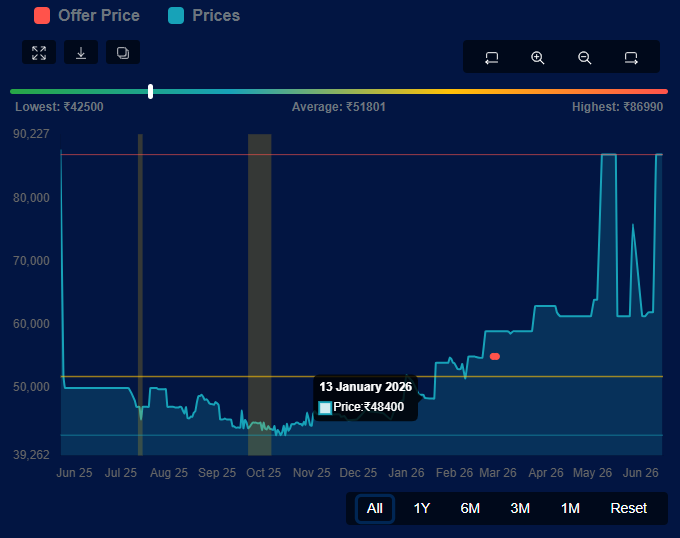
The ripple effects of these component shortages extend beyond mobile hardware. Computers and tablets are also seeing significant price adjustments. For instance, the Lenovo ThinkBook 16 featuring the AMD Ryzen 5 7535HS has seen its retail price nearly double on platforms like Amazon compared to early 2026 figures.
Consumer Advice in a Volatile Market
With costs maintaining an upward trajectory, industry experts suggest that waiting for better deals may no longer be a viable strategy. Those planning to upgrade their hardware might find that current market prices are unlikely to drop in the near future. The volatility in DRAM pricing, fueled by the demand for artificial intelligence infrastructure, continues to place upward pressure on consumer electronics across all price segments.
Source: Nothing | Gizmochina