Flagship smartphone prices in China may soon cross a psychological barrier: 10,000 yuan. Xiaomi President Lu Weibing recently hinted this could happen by late 2026, driven mainly by rising memory costs and supply chain headaches.
- Xiaomi’s 17 Ultra launched at 6,999 yuan (~$980) in late 2023.
- DRAM and NAND flash prices are climbing sharply, squeezing margins.
- Supply constraints mean price relief is years away.
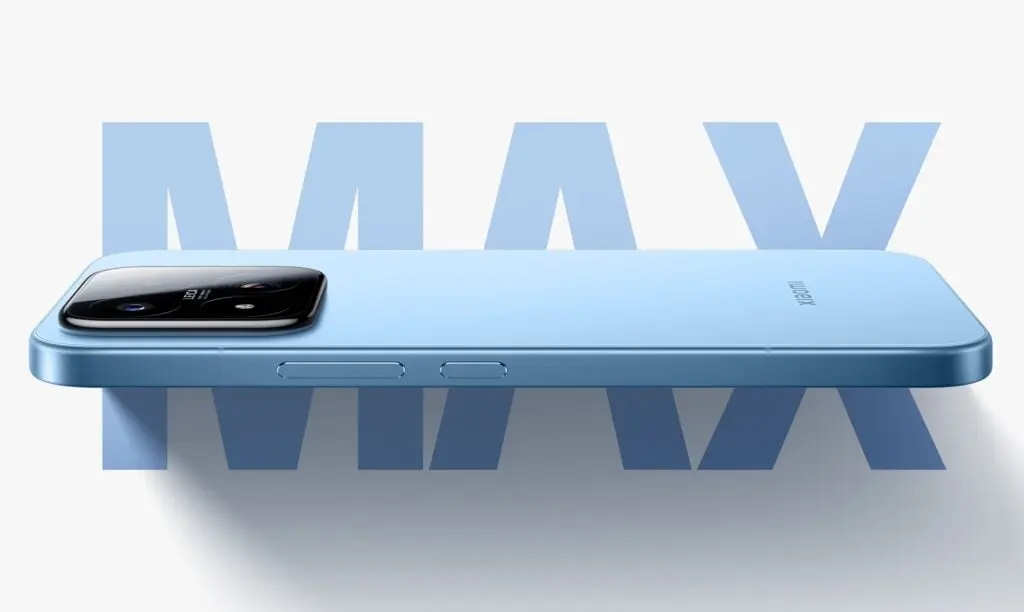
- Xiaomi 17 Max teased with 6.9-inch screen, Snapdragon 8 Elite, 200MP camera, 8,000mAh battery.
Flagship Prices Climbing Because Memory Costs Won’t Quit
On paper, a 10,000 yuan flagship sounds like a price hike Xiaomi fans should brace for. The catch is simple: DRAM and NAND flash memory chips, critical components for any modern phone, have seen their prices spike. According to Lu Weibing, these increases are not a minor blip—they’re sustained and hard to absorb.
Smartphone makers don’t have quick fixes. Building new factories to increase supply takes years. Meanwhile, demand keeps growing, particularly from AI servers and high-performance computing sectors, which compete for the same memory resources. This supply-demand imbalance is expected to last at least through 2027, maybe longer.
Next-Gen Xiaomi 17 Max: Specs That Justify the Price?
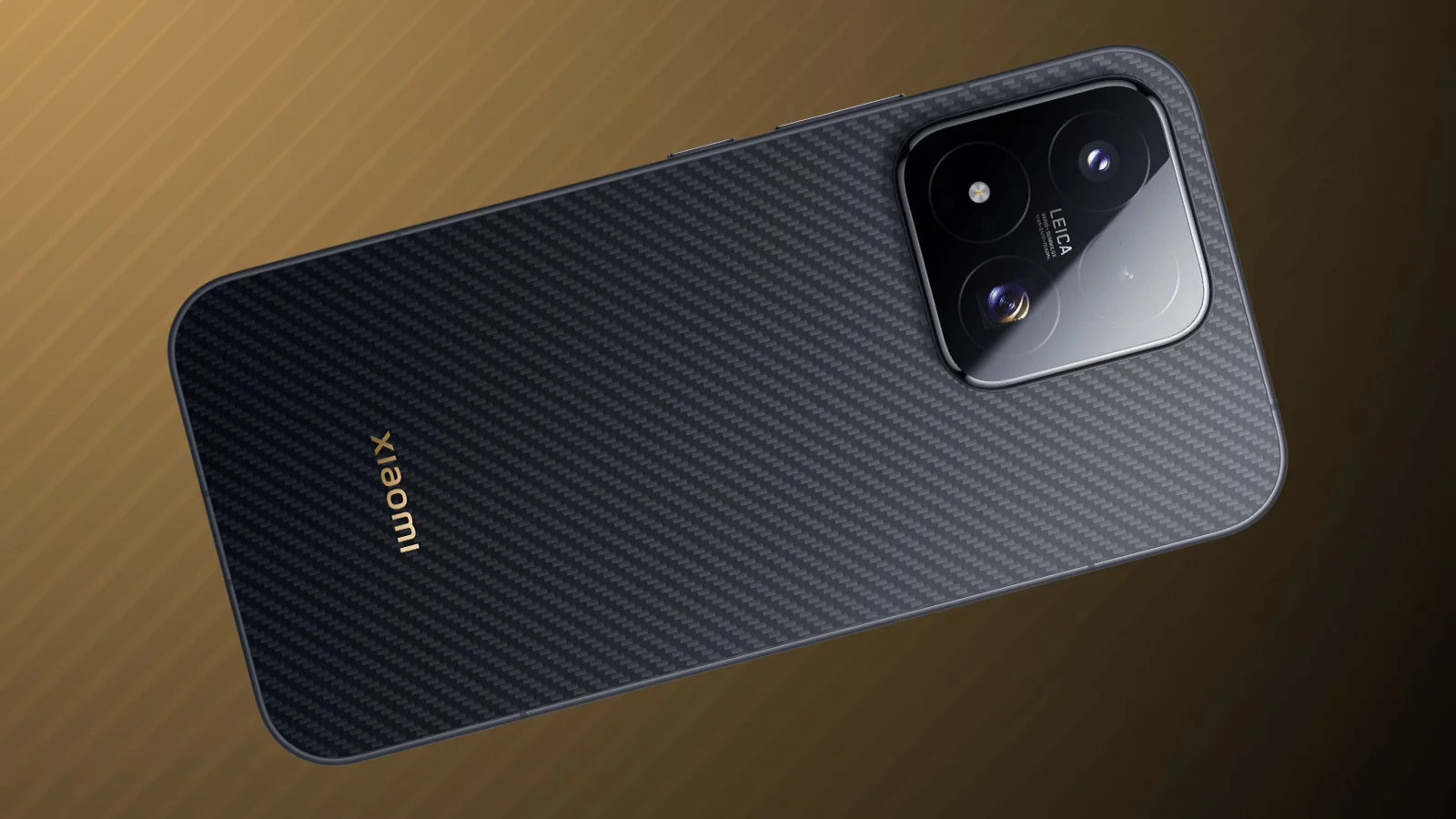
Xiaomi’s upcoming 17 Max is shaping up to be a showcase of where flagship phones stand today—and why prices might be headed north. Leaks point to a 6.9-inch display, Snapdragon 8 Elite Gen 5 chipset, a Leica-tuned 200MP camera, and an 8,000mAh battery. That’s a spec sheet built to impress but also packed with components that don’t come cheap.
While Xiaomi promises to keep value in mind, the reality is that a phone with these specs and swollen memory costs is unlikely to come cheap. The 17 Ultra, launched late last year, started at nearly $1,000. The 17 Max, with its bigger screen and battery, plus the latest silicon, looks poised to push that price higher.
Not Just Xiaomi: Industry-Wide Price Pressure
Rising component costs aren’t Xiaomi’s problem alone. Oppo, Vivo, Honor, and others face the same uphill battle. The Chinese smartphone market, long known for aggressive pricing, may be on the verge of a major shift. If flagship models routinely cross the 10,000 yuan threshold, it could change consumer expectations and buying habits.
Lu Weibing’s comments hint at a cautious internal debate. Xiaomi knows price hikes could alienate some buyers. The question is whether consumers will accept this new reality or start seeking alternatives.
GizmoIndo’s Take
Memory prices have always been a wildcard in smartphone economics, but their current trajectory is reshaping the premium segment’s landscape. Xiaomi’s warning isn’t just about one brand’s pricing strategy—it signals a broader industry trend that could redefine what a flagship phone costs in China.
Consumers should temper expectations about sticker shock. Real-world usage of 5G, high-res screens, and AI-driven camera features demands expensive components. Until new memory production capacity comes online, prices will stay stubbornly high.
For buyers, this means flagship phones could soon become a luxury rather than a mainstream choice in China. For Xiaomi and its competitors, balancing cost, specs, and consumer loyalty will be a tightrope walk over the next couple of years.
(Via)