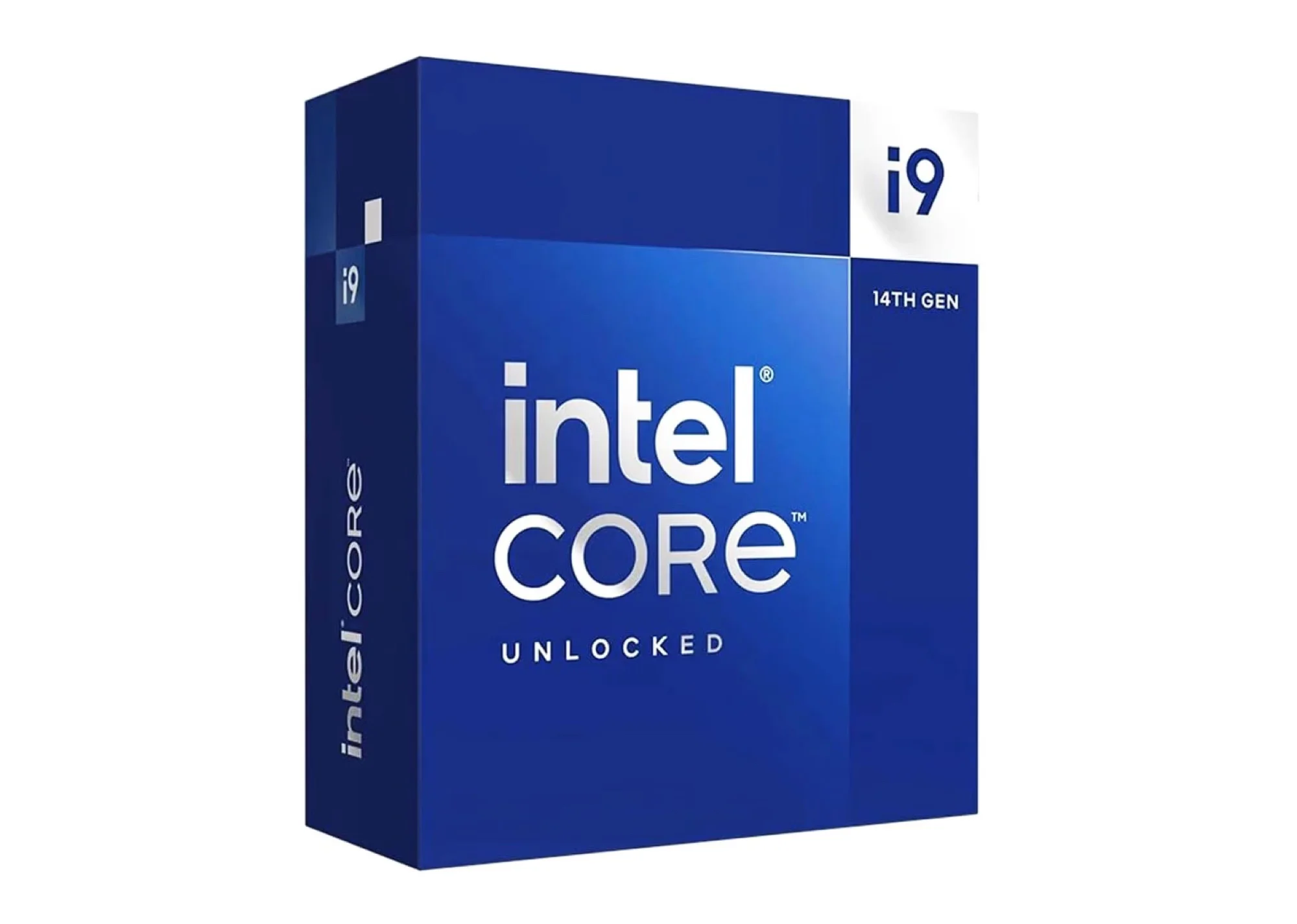
Intel’s Core i9-14900KF has just raised the bar for desktop CPU overclocking by hitting 9.2GHz—beating the previous 9.1GHz record set in August 2025. This matters because it pushes the limits of silicon and cooling, but don’t get your hopes up for practical use.
- Intel Core i9-14900KF Raptor Lake-R CPU reached 9.2GHz
- Extreme voltage and liquid helium cooling used
- Single-core overclock with power limits disabled
- System included Asus ROG Maximus Z790 Apex and DDR5 RAM
Flagship Power, Mid-range Compromises
On paper, breaking the 9GHz barrier again sounds impressive. The catch is simple: this isn’t your everyday gaming or productivity scenario. The 14900KF’s stock boost tops out at 6GHz across 24 cores. To reach 9.2GHz, the overclockers disabled all but one performance core and gutted power limits—pushing voltage and temperature far beyond safe consumer use.
Such extreme clocks depend heavily on sub-zero liquid helium cooling, a step beyond the liquid nitrogen setups used in past records. This kind of cooling can only be achieved in a lab or with specialized rigs, not in a desktop tower on your desk.
Three Hours to Full Charge? That’s the Trade-off
This record runs last only seconds for validation—there’s no way to sustain 9.2GHz for real workloads. The power supply gulped 1600 watts to keep this going, and the memory was limited to 16GB DDR5. The Asus ROG Maximus Z790 Apex motherboard provided the necessary tuning and voltage control, but this is purely a proof of concept.
Intel’s Raptor Lake Reclaims the Crown
AMD dominated frequency records for years with FX-series chips cooled by liquid nitrogen and helium. Intel’s Raptor Lake family finally took the crown with the 13900K crossing 9GHz first. Now the 14900KF pushes that slightly higher. Our analysis suggests this is more about bragging rights than meaningful performance gains for consumers.
The Big Picture
What this actually means is that silicon and cooling tech are still advancing, but the real-world relevance is minimal. Extreme overclock records like this highlight engineering prowess, not everyday usability. If you’re looking for raw power for gaming or creation, stock or modest overclocks on the 14900KF will serve better without the insane setup or risk.
For enthusiasts, it’s a flashy milestone. For everyone else, it’s a reminder that manufacturers’ claims about speed have limits—especially when you toss in 5G, high-res displays, and multitasking. Expect real-world clocks to stay well below these headline figures.
(Via)