Porsche is cutting more than 500 jobs and shutting down its in-house e-bike division—a move that signals a sharp retreat amid tough market conditions and a sour financial outlook.
- Over 350 jobs lost as Porsche closes e-bike division
- Battery unit Cellforce Group and software firm Cetitec also shuttered
- Porsche trims executive board, dissolves Car IT department
- Refocus on sports car manufacturing following a slump in China and rising tariffs
Flagship Power, Mid-range Compromises
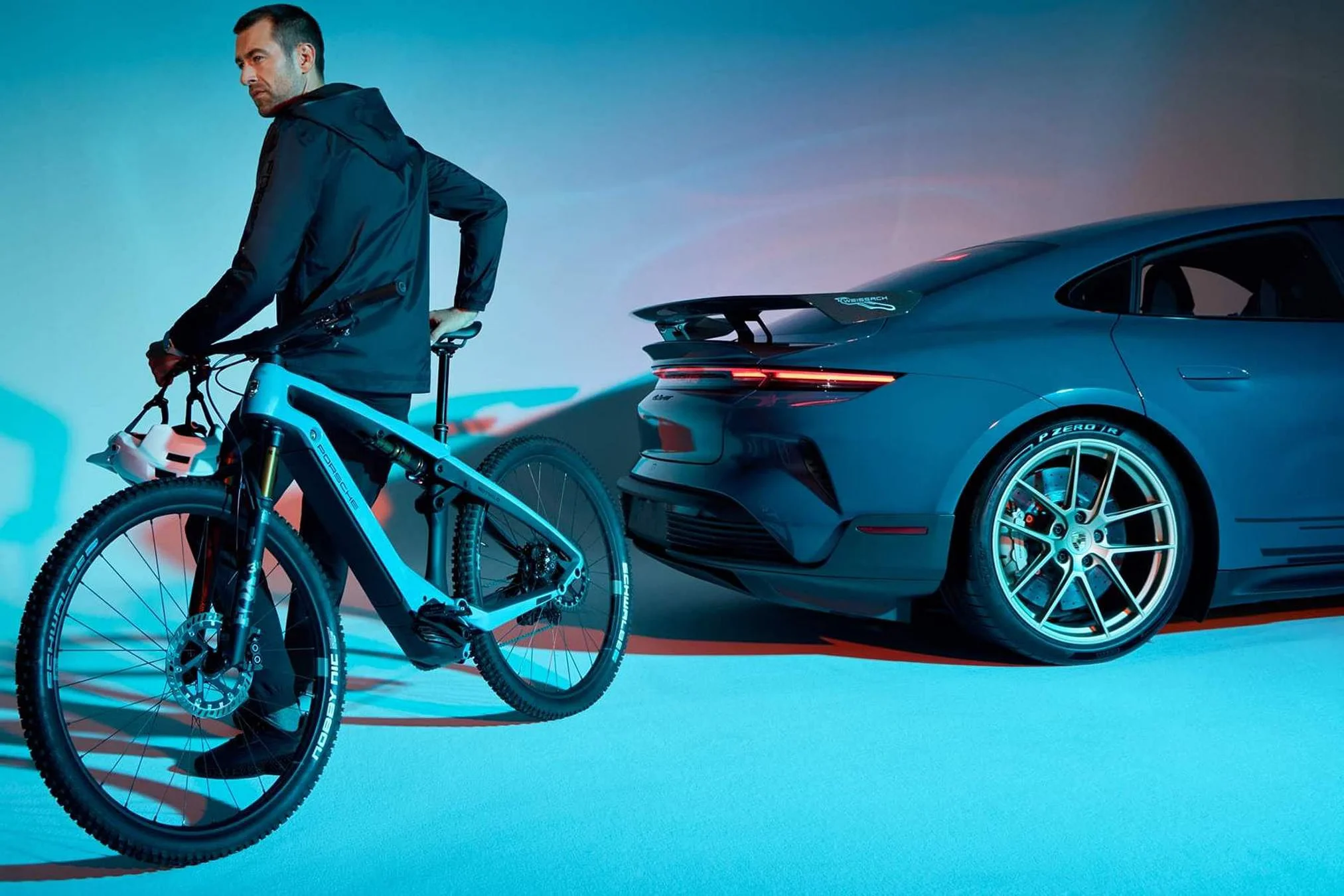
On paper, Porsche’s decision to scrap its e-bike division sounds like a strategic focus. The automaker had aimed to develop proprietary e-bike motors through Porsche eBike Performance GmbH. The catch is simple: drastically changed market conditions made this unfeasible. Based on the latest reports, around 350 employees in Germany and Croatia are losing their jobs, and Porsche will now rely entirely on its partner Rotwild to produce bicycles under its badge.
It’s a blunt admission that Porsche’s ambitions in the e-bike market were overextended. While the brand name remains, the actual engineering and production are outsourced—meaning Porsche is ceding ground in what’s a growing but competitive sector.
Battery and Software Divisions Also Get the Axe
It’s not just the e-bike unit taking the hit. The Cellforce Group, Porsche’s battery production subsidiary, is being permanently closed. This wipes out roughly 50 jobs and follows a long pause in battery manufacturing there. Then there’s Cetitec, a software company focused on data communication, which is being shuttered as well—cutting 90 jobs across Germany and Croatia.
These cuts reveal a broader retrenchment, not just a single division going dark. Porsche is shedding non-core businesses to refocus on what it sees as its bread and butter: sports cars.
Executive Shake-up: Fewer Bosses, More Focus?
CEO Michael Leiters is not just trimming staff but also revising Porsche’s leadership structure. The executive board shrinks from eight to seven divisions. The Car IT department is dissolved and rolled into the general vehicle development team. This consolidation might sound logical, but it also suggests that Porsche is scaling back on tech ambitions that don’t directly support its core sports car business.
Leiters calls these measures “indispensable” for realignment, but the real story is a reaction to a sharp drop in Q1 2026 financials. The balance sheet is hit hard by a collapse in demand in China—Porsche’s crucial market—and by new tariffs from the US. Real-world consequences of global trade tensions and shifting consumer tastes are now hitting home.
The Big Picture
Porsche’s cuts illustrate the brutal reality facing legacy automakers trying to diversify. On paper, branching into e-bikes and batteries seems like smart vertical integration. What this actually means is that Porsche bit off more than it could chew—and is now retreating to safe ground.
For consumers, don’t hold your breath for Porsche-branded e-bikes with in-house tech anytime soon. The company’s pivot back to sports cars means less innovation outside its core competency. Expect tighter product lines and less risk-taking.
From an industry perspective, Porsche’s retrenchment highlights how volatile global markets and geopolitical risks can swiftly derail ambitious diversification plans. For the wallet-conscious, this signals a leaner Porsche—but potentially a less exciting one.
(Via)