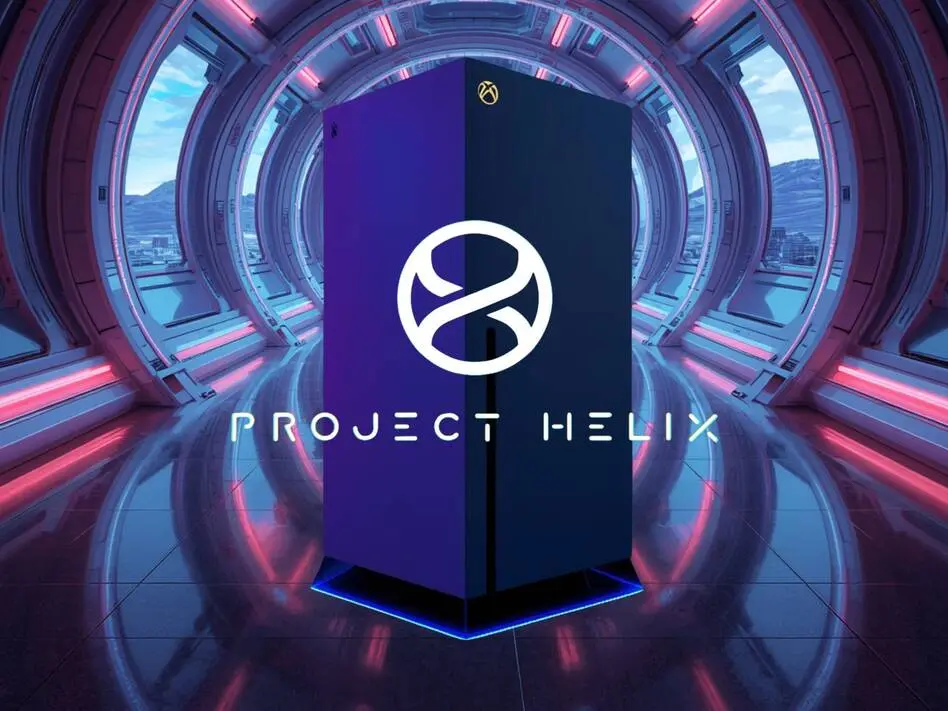
Xbox CEO Asha Sharma faces a formidable challenge: delivering an affordable new console, Project Helix, during a global memory shortage that inflates hardware costs. Her recent interview sheds light on Microsoft’s strategy to balance innovation and pricing without compromising performance.
- Project Helix console expected as early as 2027
- Memory and storage costs have surged, pressuring hardware pricing
- Innovation seen as key to preventing price hikes
- Potential use of AI-driven upscaling to optimize performance
Innovation as a Strategy Against Rising Hardware Costs
Sharma emphasizes that the only way Project Helix would become expensive is if innovation is neglected. In an environment where memory and storage costs have risen sharply within her first 100 days as Xbox CEO, the focus is on creative solutions to maintain affordability. This approach acknowledges the economic pressures from both supply chain constraints and increasing demand from AI data centers, which keep memory prices elevated.
The dilemma is clear: how to deliver a next-generation console with superior specifications without passing prohibitive costs to gamers. The recent price hikes of competing consoles like the PlayStation 5 have heightened consumer sensitivity. Microsoft risks stretching budgets further, especially as leaks suggest Project Helix may feature at least 36GB of unified GDDR7 memory, a costly component alongside expensive SSDs.
Balancing Performance and Cost Through Technological Advances
One promising avenue is leveraging the next generation of AMD’s RDNA 5 upscaling technology. Rumored as AMD FSR Diamond, this AI-powered neural rendering technique could allow developers to maximize GPU capabilities while potentially reducing hardware demands. However, it remains uncertain how much memory or other specifications can be trimmed without throttling performance, highlighting a delicate trade-off between cost and user experience.
Another consideration is whether Microsoft can subsidize Project Helix’s price as it has done with previous consoles. The evolving open ecosystem, featuring competing storefronts beyond Xbox exclusives, complicates this strategy. Sharma may need to revisit these decisions to avoid Project Helix becoming a niche product, ensuring it remains accessible to a broad gaming audience.
Anticipating Project Helix’s Global Launch
With a potential release date around 2027, Project Helix arrives amid significant industry challenges. The interplay of rising component costs, the necessity for innovation, and evolving market dynamics will shape its reception. Microsoft’s ability to innovate effectively while managing costs will be critical in defining the console’s success on a global scale.
Reference: Microsoft | notebookcheck.net