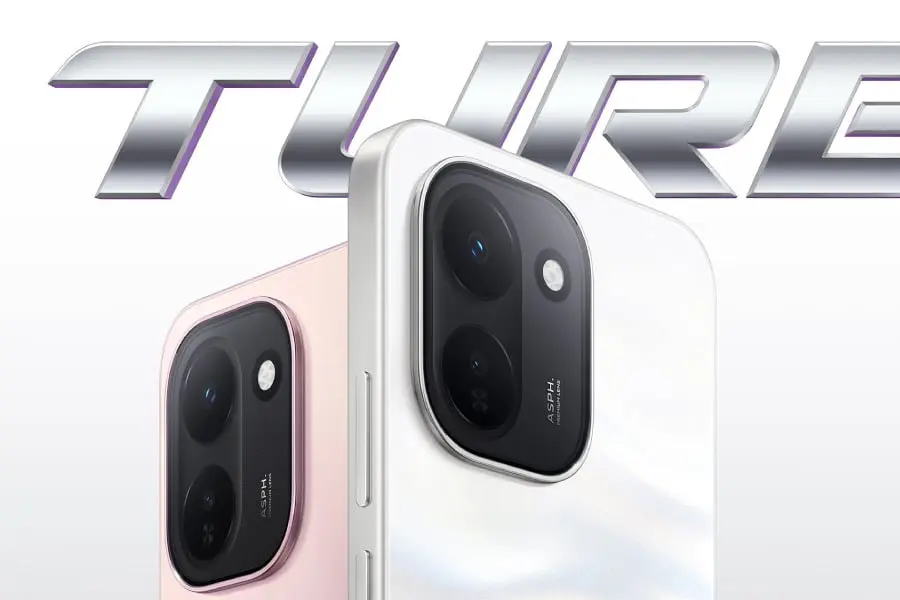
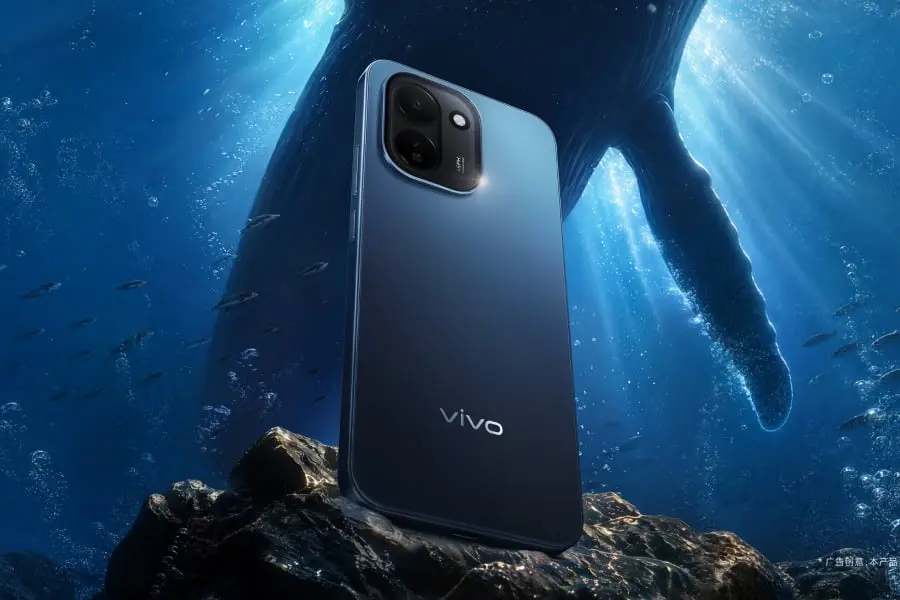
The Vivo Y600 Turbo has just launched in China, and it’s hard to ignore the headline: a massive 9020mAh battery in a phone that’s surprisingly slim at 8.29mm. That alone makes it one of the few devices catering to users who want endurance without a brick in their pocket. But the catch is simple — big battery doesn’t equal flagship-level performance.
- Massive 9020mAh battery with 90W fast charging
- 6.83-inch 1.5K AMOLED display with 120Hz refresh rate
- Snapdragon 7s Gen 4 chipset with up to 12GB RAM
- 50MP main camera, OriginOS 6, and IP68/IP69 ratings
Flagship Battery Meets Mid-Range Specs
The Vivo Y600 Turbo’s standout feature is its monster 9020mAh battery — second only to the Y600 Pro in Vivo’s lineup. Claimed to retain 80% capacity after 1200 charge cycles, it supports 90W wired fast charging and reverse wired charging. The phone even offers global direct power supply, a rare addition for this segment.
However, don’t expect it to blow away the competition elsewhere. The Snapdragon 7s Gen 4, built on a 4nm process, is a mid-range chipset aimed at balancing efficiency and performance. Pairing it with LPDDR4X RAM, instead of the newer LPDDR5, and UFS 3.1 storage feels like a compromise to keep costs down. So, while smooth for daily tasks, heavy gaming or multitasking won’t impress.
Display Punches Above Its Weight, But Not Without Quirks
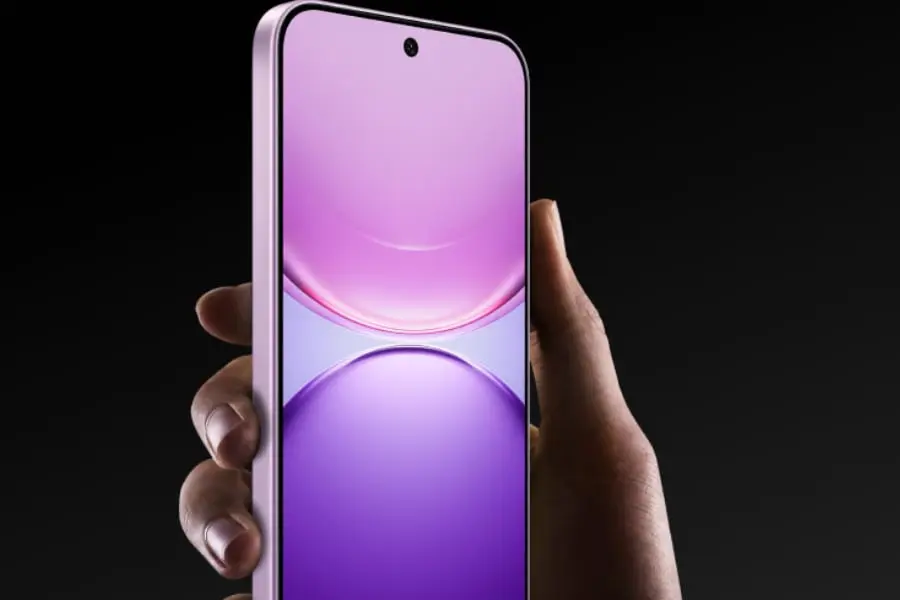
Vivo claims a lot on paper about the 6.83-inch AMOLED panel: 1.5K resolution, 120Hz refresh rate, and a peak brightness of 5000 nits. The 4320Hz high-frequency PWM dimming is a thoughtful touch for eye comfort. In theory, this means punchy colors and less eye strain during long sessions.
Still, 5000 nits peak brightness is likely a momentary spike rather than sustained output. Real-world use will depend on Vivo’s tuning and the content you’re viewing. Don’t hold your breath for flagship-level HDR performance here.
Camera: Decent But Not Game-Changing
The camera setup is straightforward — a 50MP main sensor paired with a 2MP depth sensor on the back, and an 8MP selfie shooter up front. Both cameras have EIS stabilization and can shoot 4K video, which is respectable for the price.
Yet, the lack of multiple lenses or advanced features like OIS or night mode software hints that photography enthusiasts might want to look elsewhere. This setup is serviceable, but it’s clearly playing catch-up.
Software and Connectivity Don’t Disappoint
The phone runs OriginOS 6, Vivo’s custom skin, promising a fluid experience with some extras layered over Android. Connectivity options cover all essentials: 5G, Wi-Fi 6, Bluetooth 5.2, NFC, and multiple navigation systems. IP68 and IP69 ratings add a level of water and dust resistance not always standard in this tier.
While these specs check the boxes, software optimizations and update frequency remain unknown factors. Vivo’s track record isn’t flawless, so buyer beware.
Price: Affordable, But Is It Worth It?
Starting at 2299 yuan (~$339) for the 8GB/256GB model, the Vivo Y600 Turbo is priced aggressively against other mid-rangers. Early sales knock it down to around 2099 yuan (~$308), making it an intriguing option for battery-hungry buyers on a budget.
However, the trade-offs in RAM speed, camera capabilities, and chipset performance mean this phone isn’t for everyone. If battery life is your sole priority, it’s a contender. If you want a balanced all-rounder, look elsewhere.
GizmoIndo’s Take
The Vivo Y600 Turbo is a classic example of a phone that prioritizes one feature—battery life—at the expense of others. That 9020mAh cell is impressive and rare at this price, but the rest of the phone is firmly mid-range with compromises in RAM tech and camera prowess.
For users who need a phone that can last through heavy use without a charger, this might be worth considering. But anyone expecting flagship power or a standout camera experience should temper expectations. Vivo’s choice to stick with LPDDR4X RAM and a mid-tier Snapdragon chip underscores this is a phone engineered for endurance, not speed.
In the bigger picture, Vivo is testing waters for niche battery-centric phones at accessible prices. It’s a gamble that might pay off among power users but leaves mainstream buyers better off with other options.
(Via)