
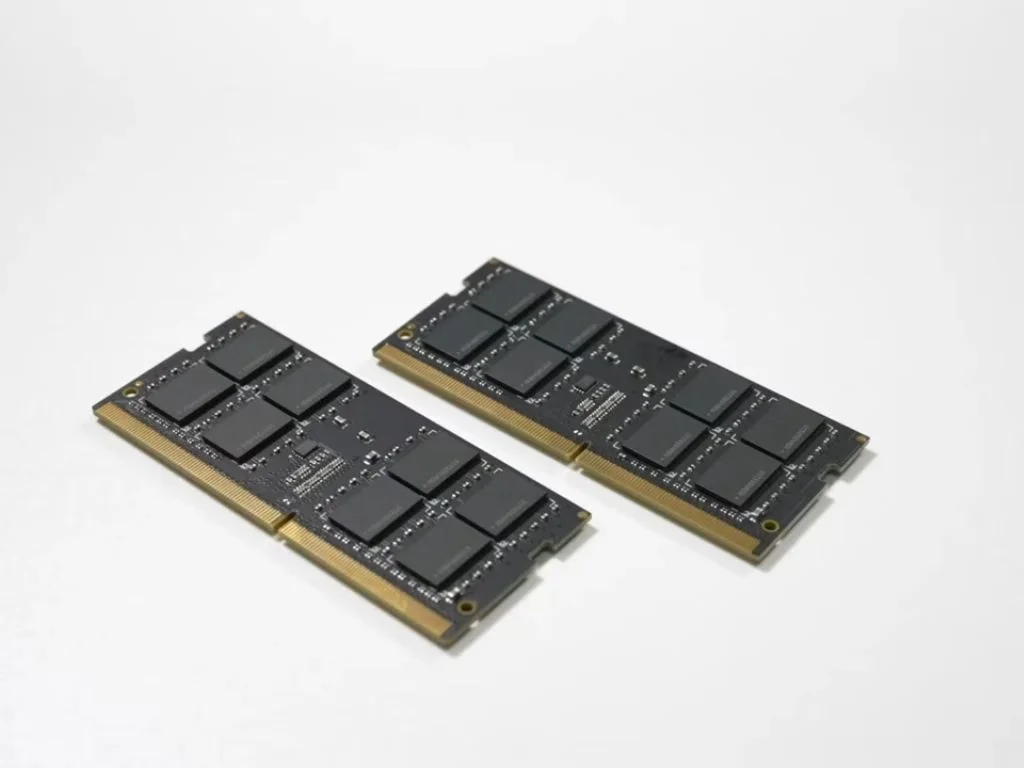
Memory chip prices have soared to record levels, forcing Taiwanese manufacturers like Adata, TeamGroup, and Micron to borrow nearly $880 million just to stockpile enough NAND and DRAM components. This move is less about falling demand and more about managing rising costs in a market where chip shortages have turned supply into a seller’s game.
- Manufacturers raise $880 million to secure NAND and DRAM inventory
- Adata leads with billions in convertible bonds and bank loans
- High SSD and memory prices drive urgent stockpiling
- Supply constraints push manufacturers to borrow despite record revenues
The Pressure to Stockpile Before Prices Rise Again
Despite strong revenues and booming demand, Taiwanese memory makers face a tough reality: NAND flash and DRAM chip supplies are tight, and prices continue to climb. Adata, for example, has already issued billions in bonds and loans, aiming to increase its inventory value beyond $1 billion. This approach hedges against further price hikes and supply disruptions.
Module makers like TeamGroup, Apacer, and Transcend are following suit, raising hundreds of millions in capital. Their goal is to secure chips in advance, as waiting risks losing access to critical components or facing even higher costs.
Why Borrowing Makes Sense Despite Strong Sales
At first glance, borrowing heavily during record sales might seem counterintuitive. However, the chip supply crunch has shifted the market dynamics. Manufacturers have limited control over chip allocations from foundries, so accumulating inventory through debt is a tactical response to unpredictable supply.
This strategy preserves production capacity and profit margins over the medium term. It also ensures these companies remain competitive, especially as NAND flash inventory levels hit unusually low points—just three to five weeks’ worth in some cases.
The Trade-Off Is Financial Risk for Supply Security
The main trade-off with this approach is increased financial risk. Taking on significant debt ties up capital and raises costs if prices stabilize or drop unexpectedly. Buyers considering products from these brands should be aware that such market pressures may impact pricing or availability in the near term.
Still, for businesses reliant on steady memory supplies—like PC builders, laptop makers, or SSD vendors—this stockpiling helps maintain production schedules and product availability in a volatile chip market.
Price Context and What It Means for Consumers
Memory and storage prices have climbed dramatically worldwide, affecting everything from PCs to smartphones and gaming consoles. The $880 million raised by Taiwanese companies reflects the scale of this challenge and the need to secure raw materials ahead of further shortages.
Prices and availability may vary by region, but the overall trend suggests consumers should expect continued pressure on SSD and RAM pricing for the foreseeable future. While these companies’ efforts help stabilize supply chains, the underlying shortage issues remain unresolved.
Consider It If You Need Reliable Memory Supply
Consider this market situation if you rely on consistent SSD or RAM availability for your products or upgrades. These manufacturers’ proactive stockpiling supports steadier supply but may also sustain higher prices.
Skip it if you prefer to wait for prices to drop or if your usage can tolerate delays, as the current market dynamics favor buyers with flexible timing over immediate purchases.
(Via)