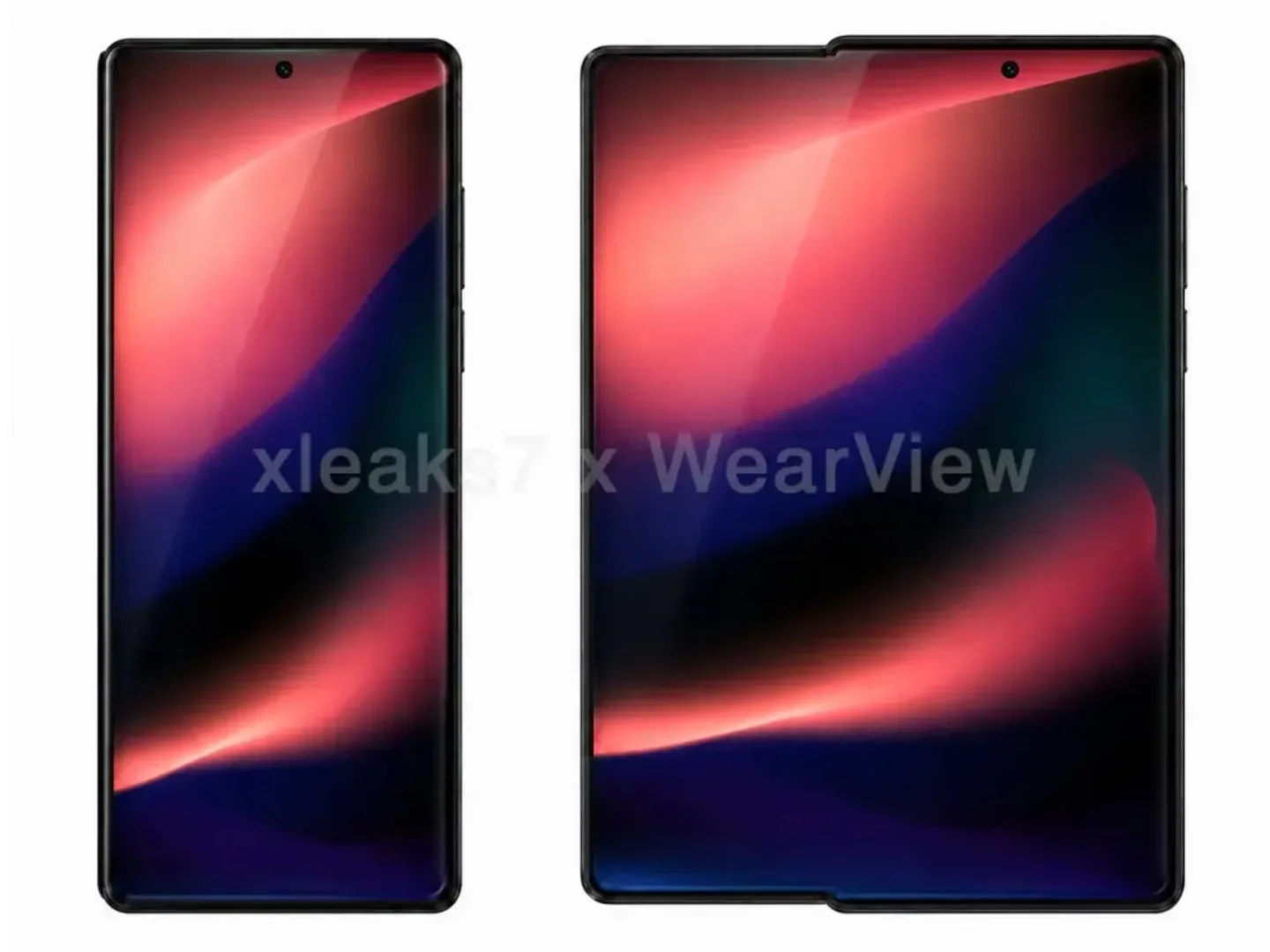
Smartphones that slide or roll open promise larger screens without the bulk of traditional foldables. Samsung’s latest patent reveals a sliding phone concept that could address one common design challenge: camera placement.
- The rear cameras move with the sliding display for a slimmer profile.
- The phone slides open to the left, extending the screen size.
- The design dates back to a 2023 filing, published in 2026.
- Samsung has prototyped sliding phones but no release date is confirmed.
Sliding Cameras Aim to Keep the Phone Slim
Most phones with rollable or sliding screens struggle to keep camera modules thin and flush with the body. Samsung’s patent shows a unique solution: placing the cameras on the sliding part of the phone. When the display is closed, the cameras move to the side, reducing thickness compared to setups with fixed camera bumps.
This could make the phone slimmer and easier to hold when closed, while still offering a large screen when extended. However, moving cameras introduce engineering complexities and potential durability concerns that Samsung will need to address.
How This Differs from Other Rollable Designs
Samsung’s approach contrasts with LG’s unreleased Rollable phone, which had cameras fixed vertically along the stationary edge. The LG design rolled the screen from back to front without moving the camera modules, keeping them stable but potentially adding bulk.
Samsung’s sliding method combines rolling and sliding mechanics, extending the screen to the left while moving the cameras with it. This hybrid approach could offer a slimmer profile but may complicate internal components.
Samsung’s Sliding Phone Is Still a Concept
The patent was filed in mid-2023 and published in 2026, indicating ongoing research rather than immediate launch plans. Past patents and credible leaks suggest Samsung is prototyping sliding phones, but there’s no guarantee of a commercial model soon.
Availability and price remain unknown, and such devices typically target premium buyers interested in novel form factors. The trade-off is complexity: sliding mechanisms need to be reliable and durable, or they risk user frustration.
Considerations for Buyers and Tech Enthusiasts
Sliding phones promise larger screens without the creases of foldables, but the moving parts add mechanical risk. Samsung’s camera placement innovation could make these phones slimmer, improving pocketability.
However, buyers should weigh the potential fragility and cost against the convenience of a bigger screen. Samsung’s sliding phone remains a concept for now, so waiting for hands-on reviews is wise before committing.
In summary, Samsung’s sliding phone patent shows promise for slimmer, more elegant rollable devices, but the bigger question is whether the trade-offs in durability and price will satisfy real-world needs.
(Via)