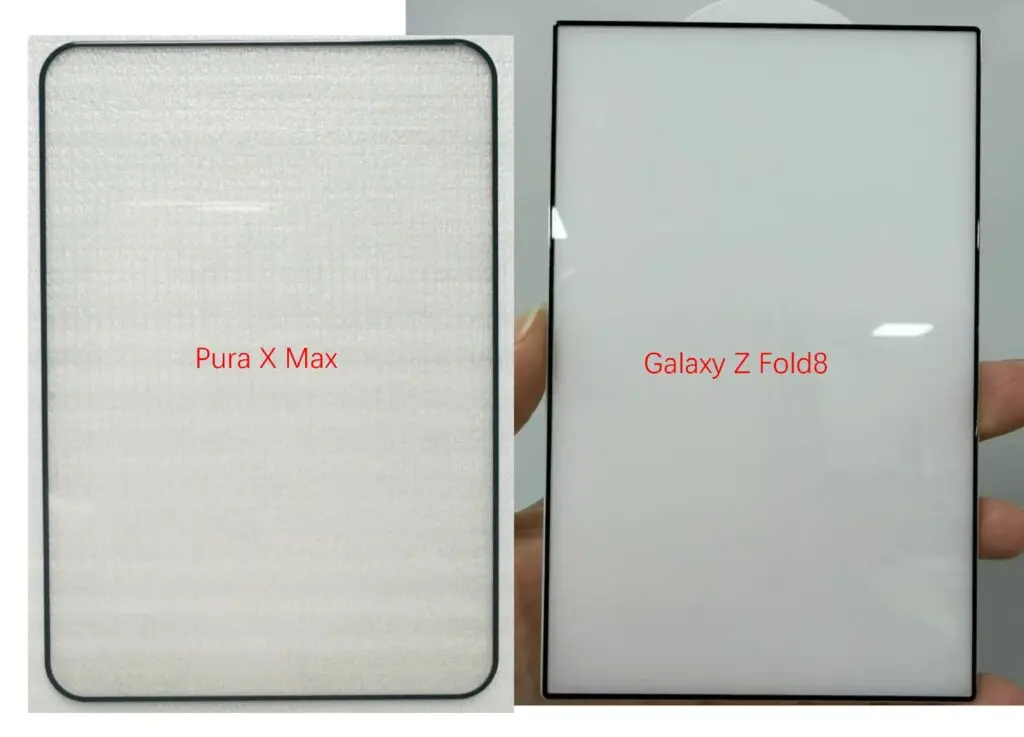
Samsung is reshuffling its foldable naming strategy — ditching the clunky “Wide” and “Large” tags for straightforward Galaxy Z Fold 8 and Galaxy Z Fold 8 Ultra models. This matters because clarity in branding could hint at Samsung finally listening to user feedback amid a crowded foldable market.
- Standard Fold 8 replaces confusing “Wide” label
- Ultra model gains larger 5000mAh battery and triple cameras
- Both run Snapdragon 8 Elite Gen 5 chipset with refined foldable displays
- Launch expected at Galaxy Unpacked event in July 2026, possibly London
Flagship Power, Mid-range Compromises
On paper, Samsung’s foldables keep pace: Snapdragon 8 Elite Gen 5 chipset under the hood for both models. But the Ultra seems to be the only one getting meaningful hardware upgrades — a bigger 5000mAh battery and a triple-camera setup including a telephoto lens. The regular Fold 8 sticks with a smaller 4800mAh battery and a dual-camera system that’s less impressive.
The catch is simple: these are iterative upgrades. Nothing revolutionary here. The refined foldable displays reportedly improve durability and viewing, but Samsung’s real-world improvements always trail behind hype.
Cutting Through the Naming Nonsense
Samsung’s previous foldable names—”Wide,” “Large,” and other variations—felt like a mess no one wanted to decode. Simplifying to Fold 8 and Fold 8 Ultra should make it easier for customers to understand what they’re buying. But don’t hold your breath for this to solve Samsung’s broader foldable challenges: price, durability, and battery life remain sticking points.
Three Hours to Full Charge? That’s the Trade-off
Battery sizes look decent on paper, but Samsung’s claim of all-day battery life usually doesn’t pan out in real-world tests, especially with 5G and high-brightness displays. The Ultra’s 5000mAh pack might help, but expect both to need daily charging. Plus, the trade-off between thinner foldable designs and battery capacity is a balancing act Samsung has yet to perfect.
Camera Upgrades That Matter—Or Do They?
The Ultra’s triple-camera setup with telephoto lens is a nod to premium users. Meanwhile, the standard Fold 8’s dual cameras keep things basic. Samsung’s cameras have improved, but foldable form factors still limit sensor size and optics. Don’t expect flagship-level photography here.
Launch Timing and Market Context
Rumors point to a July 2026 Galaxy Unpacked event, possibly in London. Samsung is pushing these foldables as the future of smartphones, but competition is heating up. Chinese brands have made serious strides, and Apple’s rumored foldable iPhone looms as a potential game-changer.
GizmoIndo’s Take
Samsung’s move to simplify naming is welcome — it’s a small but necessary step toward consumer clarity. However, the Fold 8 and Fold 8 Ultra don’t appear to offer the kind of innovation or value that might justify their premium prices. The Ultra’s bigger battery and better cameras are nice, but not groundbreaking. Meanwhile, the standard Fold 8 feels like a modest refresh that won’t sway buyers frustrated by foldables’ typical compromises.
The foldable space is evolving fast. Samsung’s dominance isn’t guaranteed anymore. Without meaningful leaps in battery life, durability, and price, these new Fold 8 models may struggle to convince the mainstream. Watch the competition carefully — the next foldable winner might not be Samsung.
(Via)