Samsung is reportedly investigating a cooling technology typically seen in gaming phones: active liquid cooling. This move could mark a shift in how flagship smartphones handle heat management, especially as devices demand more power for gaming, video editing, and AI functions.
- Samsung’s Production Technology Research Institute leads a team studying advanced cooling systems.
- The focus is on liquid cooling with sealed loops circulating coolant, beyond traditional vapor chambers.
- Active cooling could help maintain sustained performance during intensive tasks.
- Air cooling with fans is also being explored but presents challenges like noise and reduced water resistance.
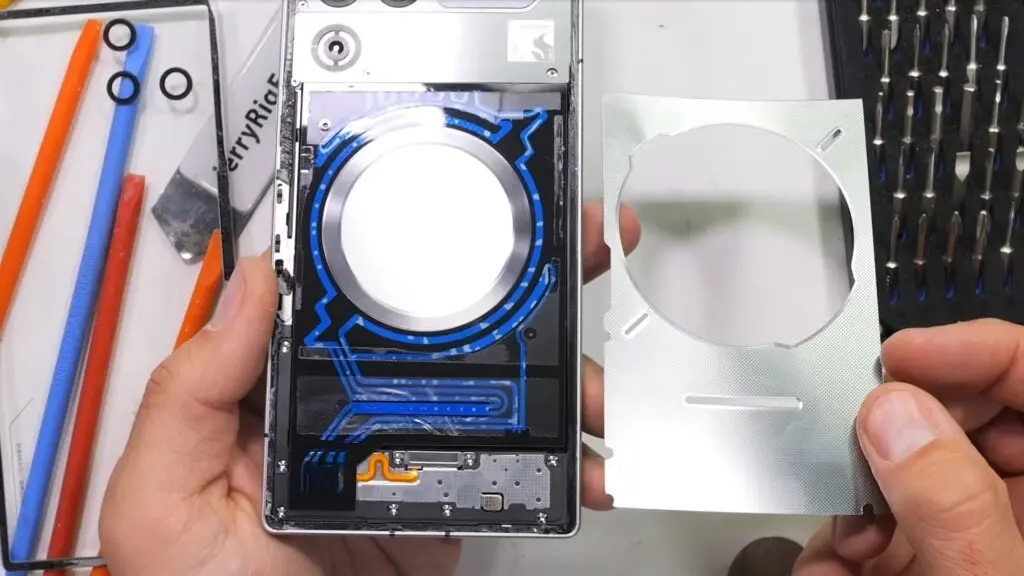
Why Active Liquid Cooling Matters for Smartphones
Heat management is a crucial factor limiting smartphone performance. Modern flagship chips deliver impressive power, but thermal buildup forces devices to throttle performance to avoid damage. Active liquid cooling, involving a sealed loop circulating coolant, offers a dynamic way to dissipate heat more effectively than passive vapor chambers.
This technology is common in gaming smartphones, which face intense processing loads. Samsung’s investigation into this area signals a potential leap towards integrating such systems in mainstream flagship phones, which would benefit a wider user base beyond gamers.
Challenges of Active Air Cooling in Phones
Samsung is also examining active air cooling solutions, which typically involve fans to move air through vents. While effective in desktops and some gaming phones, this approach complicates design by introducing noise and compromising dust and water resistance. For flagship phones aiming for sleekness and durability, these trade-offs are significant.
Therefore, liquid cooling’s sealed loop system is more appealing for maintaining the premium build quality users expect.
Industry Trends and Samsung’s Position
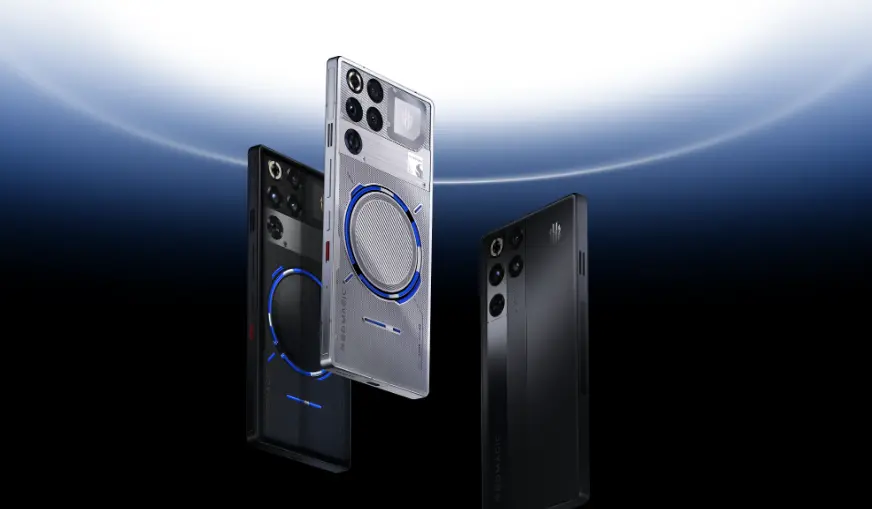
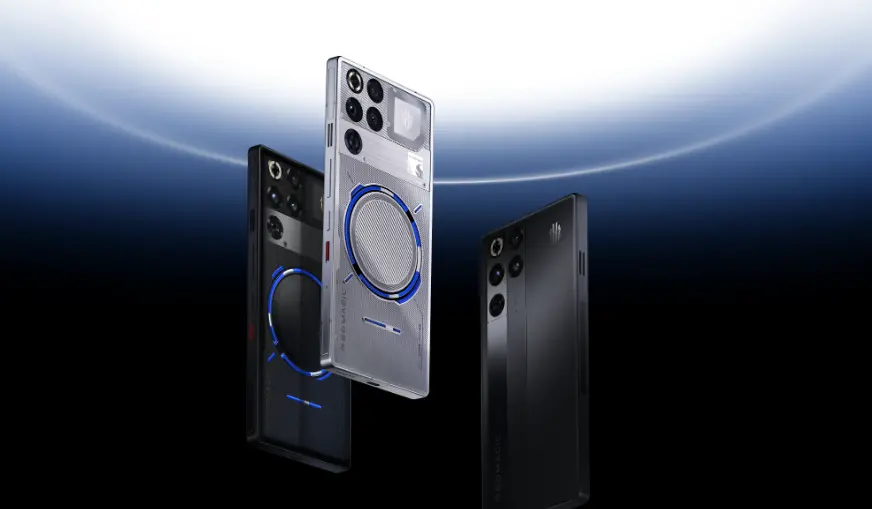
Several Chinese brands have already implemented advanced cooling systems in their performance-centric smartphones. The RedMagic 11 Pro series, for instance, uses a micropump to circulate coolant actively. Samsung’s engagement with this technology suggests the industry increasingly prioritizes sustained high performance and thermal management.
However, it’s important to note that Samsung has not confirmed any plans to launch liquid-cooled smartphones. The current efforts remain research-oriented, and many such internal projects do not reach commercial release.
What This Means for Future Samsung Devices
If Samsung successfully integrates active liquid cooling into future Galaxy flagships, it could redefine expectations for mobile performance and device longevity. Users engaging in resource-heavy activities would benefit from reduced thermal throttling, leading to smoother experiences.
While the technology’s adoption in mass-market devices is still speculative, Samsung’s exploration underscores a broader trend toward addressing heat challenges as smartphones evolve.
Via: Gizmochina