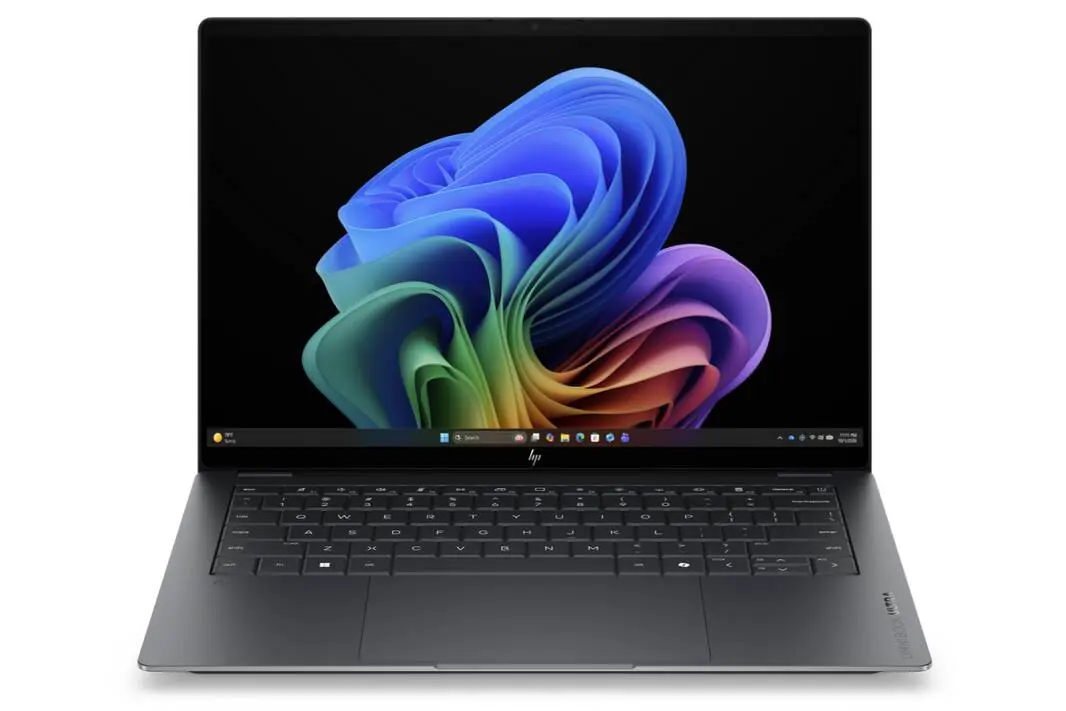
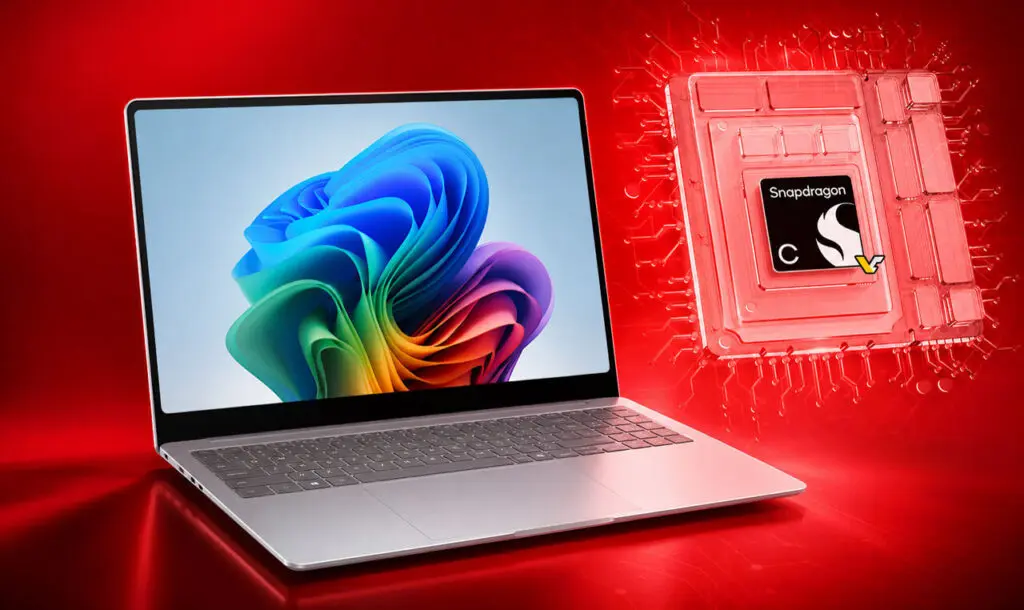
Qualcomm is stepping into the budget laptop arena with its Snapdragon C platform, aiming to bring ARM-powered Windows PCs down to price points around $300. This move targets students, families, and small businesses who need affordable devices primarily for web browsing, streaming, video calls, and basic productivity tasks.
- Snapdragon C platform designed for entry-level laptops starting around $300
- Built on 6nm process with an eight-core CPU (1+3+4 configuration) and Adreno GPU at 900MHz
- Supports LPDDR5 memory and includes a small on-device AI engine
- Qualcomm partners like Acer, HP, and Lenovo preparing Snapdragon C devices
Filling the Affordable ARM Windows Laptop Gap
Qualcomm’s Snapdragon C platform represents a strategic push to extend ARM-based Windows laptops beyond high-end segments. The chip’s design emphasizes efficiency, promising responsive daily performance, extended battery life, and quiet operation. These attributes have traditionally been challenging for many x86-based budget laptops, which often sacrifice efficiency for raw performance or vice versa.
The Snapdragon C’s architecture features an eight-core CPU arranged in a 1+3+4 configuration, indicating a balance between performance and power-saving cores. Coupled with an Adreno GPU clocked at 900MHz and support for LPDDR5 memory, the platform is positioned to handle everyday computing needs without excessive power consumption.
AI Capabilities Without Premium Pricing
While the on-device AI engine included in Snapdragon C does not meet the threshold for Microsoft’s Copilot+ PC branding, it enables lighter AI functionalities to be processed locally rather than relying fully on the cloud. This inclusion is notable because AI acceleration has typically been reserved for more expensive laptops, making Snapdragon C a potential game-changer for budget-conscious users seeking modern AI features.
Early Device Partners and Market Impact
Several major manufacturers such as Acer, HP, and Lenovo are preparing devices powered by Snapdragon C. Acer’s Aspire Go 15 is among the first examples, offering a student-friendly package with a larger display, adequate storage, and modern connectivity options. This shows Qualcomm’s commitment to ensuring the platform reaches practical, widely accessible devices rather than remaining a niche solution.
The arrival of Snapdragon C could pressure both aging Intel and AMD budget laptops and Chromebooks by providing a truly modern alternative that prioritizes battery life and efficiency without compromising basic performance. However, the platform’s real-world competitiveness will depend on benchmarks and hands-on testing, which remain to be seen.
Efficiency as a Defining Feature
Qualcomm’s emphasis on efficiency addresses a key pain point in the budget laptop market. Many affordable laptops struggle with battery life and thermal management, often leading to noisy fans and throttled performance. Snapdragon C aims to deliver a cool and quiet user experience, which could significantly enhance usability for everyday tasks.
Overall, Snapdragon C represents a calculated effort to democratize ARM-based Windows laptops, making them accessible to a broader audience without sacrificing the efficiency and modern features that premium devices offer. The coming months will reveal whether this platform can successfully carve out a new segment within the fiercely competitive budget laptop market.
Via: Gizmochina