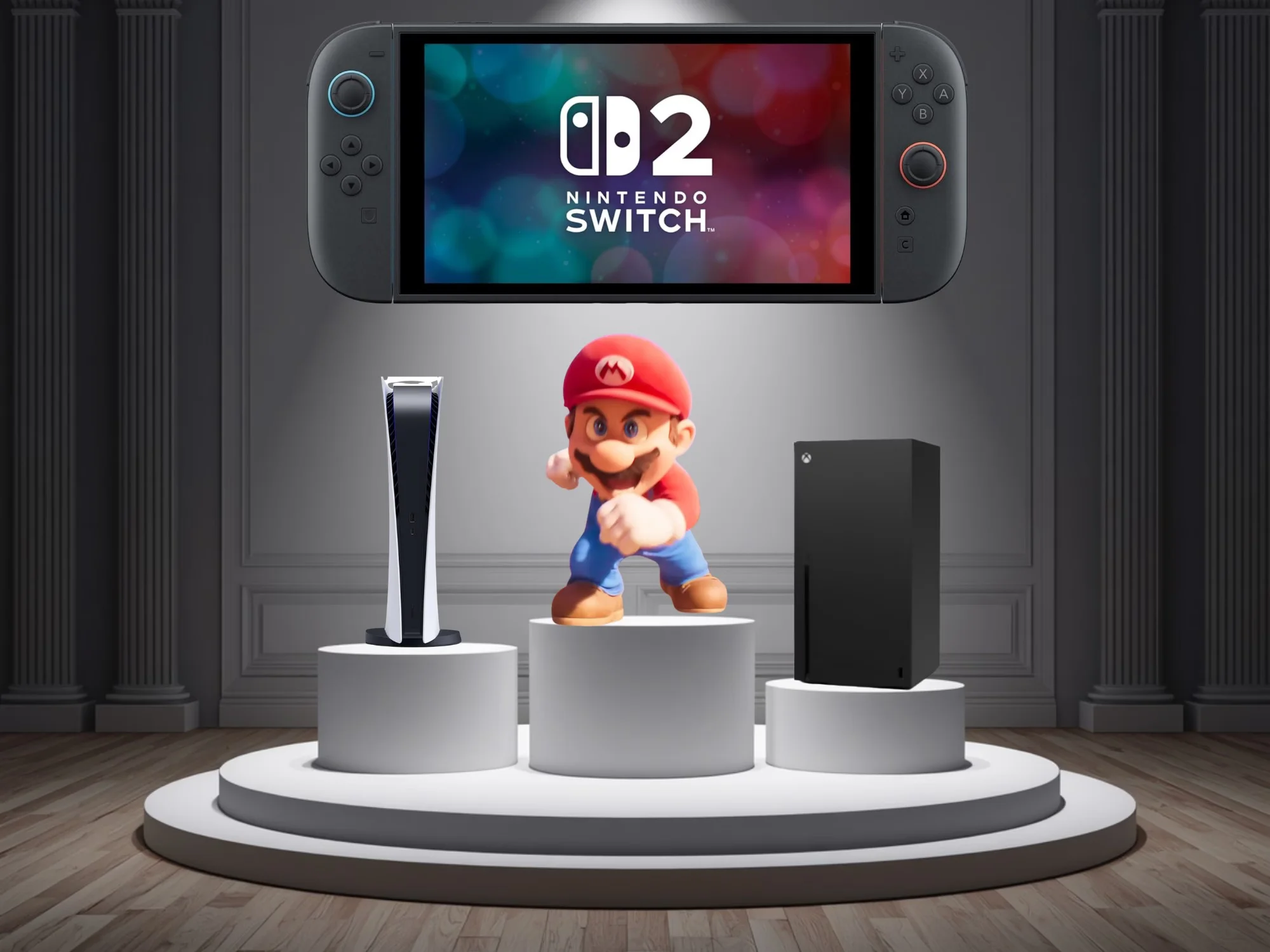
When Sony raised the PS5 price by $100 in early April, the impact was immediate. PlayStation console sales in the U.S. fell 30% year over year, according to Circana’s April data. For gamers and retailers alike, this shift raises questions about how much pricing affects console demand in a market with strong competition.
- PS5 sales dropped 30% after a $100 price increase
- Switch 2 remains steady, leading hardware spending growth
- April hardware spending rose 34% despite PS5 decline
- Switch 2 price hike planned for September could change dynamics
PS5 Price Hike Hits Sales Momentum
Sony’s decision to increase PS5 pricing responded to storage and memory supply shortages. The company’s PS5 Pro price rose by $150. While the March announcement triggered a short-term spike in sales, the momentum faded quickly. Buyers shifted their budget elsewhere, possibly toward alternatives or waiting for deals.
Not all retailers reacted immediately; some cleared existing stock before adjusting prices. Sony’s fiscal report for the first quarter of 2026 showed a 46% year-over-year sales drop, suggesting the price increase contributed to a longer-term slowdown. The company anticipates continued hardware revenue challenges through the year.
Switch 2 Benefits From Competitive Gap
Nintendo’s Switch 2 capitalized on the PS5’s slowdown by maintaining its MSRP. It outperformed both PlayStation and Xbox in unit sales and revenue for April. This contributed to a 34% overall rise in U.S. video game hardware spending compared to April 2025.
Strong software support helped, with Tomodachi Life: Living the Dream topping monthly game sales and keeping consumer interest high. However, Nintendo plans a $50 Switch 2 price increase in September, which could affect demand later in the year.
The Trade-Off Is Market Stability Versus Pricing Pressure
The current market shows that price sensitivity remains a key factor for console buyers. Sony’s price increase helped address supply costs but slowed sales. Meanwhile, Nintendo’s stable pricing supported growth and market share gains.
The trade-off is clear: consumers may prefer consistent pricing and software support over hardware upgrades with higher costs. Frequent buyers or those prioritizing the latest specs might still lean toward PlayStation, but casual or budget-conscious gamers find value in Nintendo’s approach.
Considerations for Buyers and the Market
Prices and availability vary by region, and these trends may differ outside the U.S. For gamers deciding between the PS5 and Switch 2, the choice depends on priorities like exclusive games, hardware power, and budget.
Consider the PS5 if you want cutting-edge performance and can accommodate the higher price. Skip it if the recent price hike pushes it beyond your budget or if you prefer gaming portability and steady pricing, where the Switch 2 stands out.
(Via)