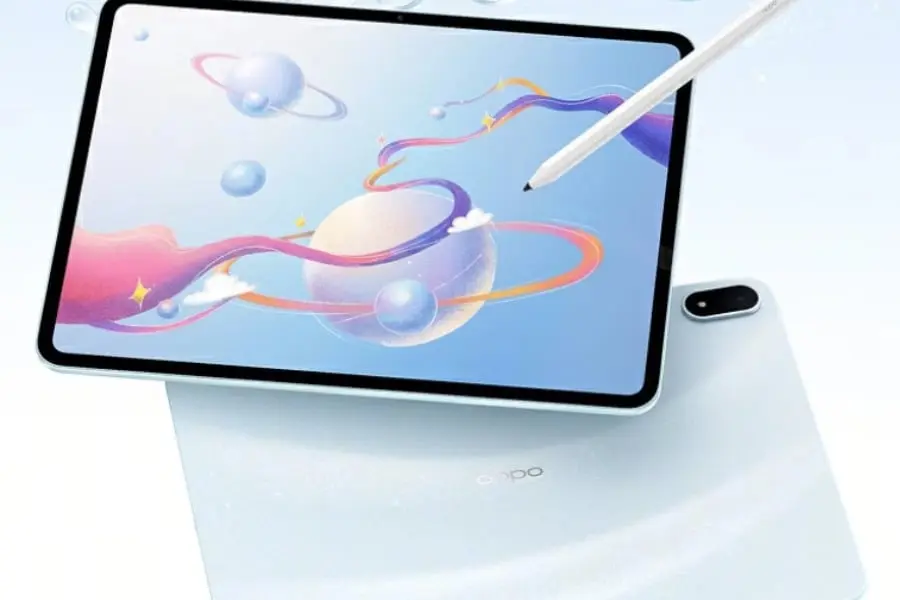
The Oppo Pad 6 launches with a price jump of about $103 over its predecessor, but the upgrades are mostly incremental. This matters because Oppo is asking more without delivering a radical improvement in screen, battery, or design.
- Same 12.1-inch 3000×2120 LCD at 144Hz refresh rate, with a new “soft light screen” option
- Upgraded MediaTek Dimensity 9500s chipset with LPDDR5X RAM and UFS 3.1 storage
- 10,420mAh battery with 67W charging, unchanged from previous model
- AI-driven software features included in ColorOS 16, plus improved cross-platform sharing

Flagship Power, Mid-range Compromises
At first glance, the Oppo Pad 6 looks like a modest update. The 12.1-inch LCD screen remains the same resolution and refresh rate, but Oppo adds a new “soft light screen” variant. This uses nano-etching to reduce glare by 97%, which could help with eye strain during long reading sessions. There’s also a paper-like color mode, but peak brightness holds steady at 900 nits. That’s respectable but not class-leading in 2024.
Design-wise, the tablet stays slim and light—5.99mm thick and 577 grams. The finishes—Starlight Blue, Starlight Silver, and Deep Space Gray—are matte and subdued, nothing flashy.
New Chipset, Same Familiar Hardware
Inside, Oppo swaps the chipset for the MediaTek Dimensity 9500s. It promises better performance and efficiency, paired with LPDDR5X RAM and UFS 3.1 storage. Oppo cites a 3.06 million AnTuTu score and claims it can handle intensive tasks like 3K video recording and 144fps gaming. On paper, this sounds great, but real-world gains might be less dramatic given the rest of the hardware stays the same.
The battery is unchanged at 10,420mAh with 67W charging. Oppo boasts 56 days standby and four-year battery health, but real-world usage—especially with 5G and high brightness—will likely tell a different story.
More AI, But Is It Useful?
The Pad 6 leans heavily into AI with ColorOS 16. Features include real-time audio transcription, AI note summaries, handwriting beautification, and a “circle to search” tool for quick question-solving. There’s also a journaling mode that converts sketches into polished illustrations and imports Live Photos. These sound handy for students and office users, but how well they work in practice remains to be seen.
Multi-window multitasking is present, along with a PC-style WPS office suite for document editing. Oppo is pushing cross-platform compatibility, supporting file sharing with Android and Apple devices, plus automatic 5G tethering without hotspot setup. These are solid productivity perks but nothing revolutionary.
Three Hours to Full Charge? That’s the Trade-off
The battery life claims are ambitious, but the unchanged battery and charging speed suggest Oppo is playing it safe. Fast charging at 67W is decent, but competitors are pushing higher wattages now. If you expect an all-day marathon on a single charge, don’t hold your breath.
Price Tag Doesn’t Match Improvements
Oppo raised the starting price from 2,599 yuan (~$383) to 3,299 yuan (~$486). The 12GB/256GB and 16GB/512GB variants cost even more. The Soft Light Edition sits between these tiers but still charges a premium. For a $100+ increase, the Pad 6 delivers barely any hardware upgrades outside the chipset and AI software gimmicks.
GizmoIndo’s Take
Oppo Pad 6 feels like a cautious update—good enough hardware with some AI polish but no bold moves. The price hike is hard to justify when the screen, battery, and design are virtually unchanged. Oppo’s AI features might appeal to niche users but won’t sway mainstream buyers who expect more bang for their buck.
In a crowded tablet market, the Pad 6 risks being overshadowed by competitors offering better specs or more competitive pricing. For those invested in Oppo’s ecosystem or seeking modest upgrades, it might make sense. Otherwise, look elsewhere for a tablet that actually pushes boundaries instead of padding the price tag.
(Via)