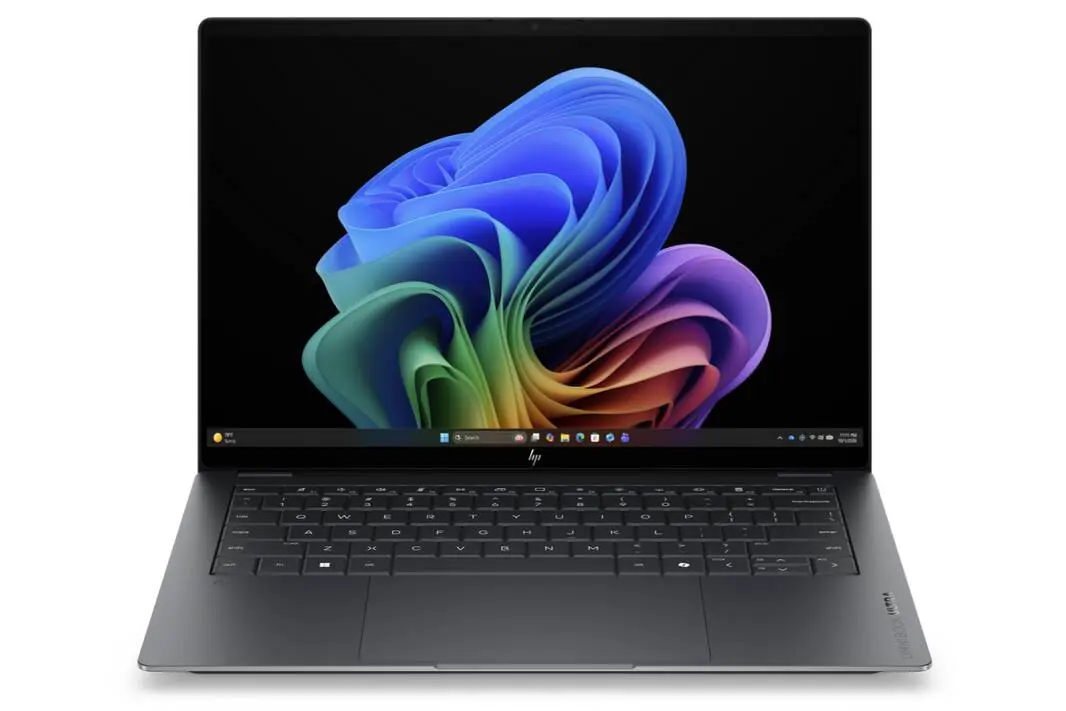

Gaming laptop buyers looking for a fresh SoC option may have to wait longer for Nvidia’s N1X, a chip that promised performance on par with an RTX 4060 Ti. Despite multiple leaks and OEM interest, the N1X faces delays that could affect its relevance in an increasingly competitive market.
- The N1X integrates a powerful GPU with 6,144 CUDA cores, rivaling mid-range discrete graphics.
- Lenovo is confirmed to be developing a laptop featuring the N1X, following Alienware’s earlier plans.
- Launch delays stem from software compatibility problems that could hinder performance and user experience.
- If delayed further, the N1X risks falling behind Qualcomm’s Snapdragon X2 Elite and Apple’s M5 Pro chips.
The N1X’s GPU Performance Isn’t the Whole Story
The Nvidia N1X is essentially a tailored variant of the GB10 Grace Blackwell SoC, previously used in specialized systems. Its integrated GPU boasts 6,144 CUDA cores, a count that suggests it can compete with an RTX 4060 Ti discrete GPU, a popular choice for mid-tier gaming laptops.
However, raw performance numbers only tell part of the story. The N1X’s real-world usability will depend heavily on driver maturity and software optimization, areas Nvidia is still refining. This is crucial for gaming laptops where compatibility with a wide range of games and applications dictates user satisfaction.
Lenovo’s Commitment Signals Potential, But Timing Matters
Lenovo’s internal mentions of the Nvidia N1X confirm ongoing development of a laptop model powered by this chip. This follows rumors that Dell’s Alienware lineup may also adopt the N1X, particularly for future Legion SKUs.
Still, the N1X has already been delayed once, reportedly due to software issues. Missing the Computex 2026 window could significantly reduce its market impact, as competitors have already launched or are about to launch advanced chips for similar use cases.
Competition from Qualcomm and Apple Raises the Stakes
Qualcomm’s Snapdragon X2 Elite Extreme and Apple’s M5 Pro present strong competition, both in terms of power efficiency and software ecosystems. The Snapdragon X2 Elite targets Windows laptops with integrated 5G and AI enhancements, while Apple’s M5 Pro continues to push performance and efficiency on macOS.
The N1X’s delay means Nvidia must overcome not only technical hurdles but also a narrowing window to gain traction against these established alternatives.
Consider the Trade-Offs Before Betting on the N1X
The main trade-off is timing and software readiness. While the N1X’s GPU power is promising, buyers should consider whether waiting for a delayed launch is worthwhile compared to currently available Snapdragon or Apple-powered laptops.
Consider the Nvidia N1X if you want a Windows gaming laptop with integrated GPU power close to an RTX 4060 Ti and are okay with possible initial software quirks. Skip it if you prioritize mature software ecosystems and availability, as Qualcomm and Apple offer more established solutions in 2026.
Prices and availability will vary by region, and the N1X’s final market positioning depends heavily on how Nvidia resolves its current software challenges.
(Via)