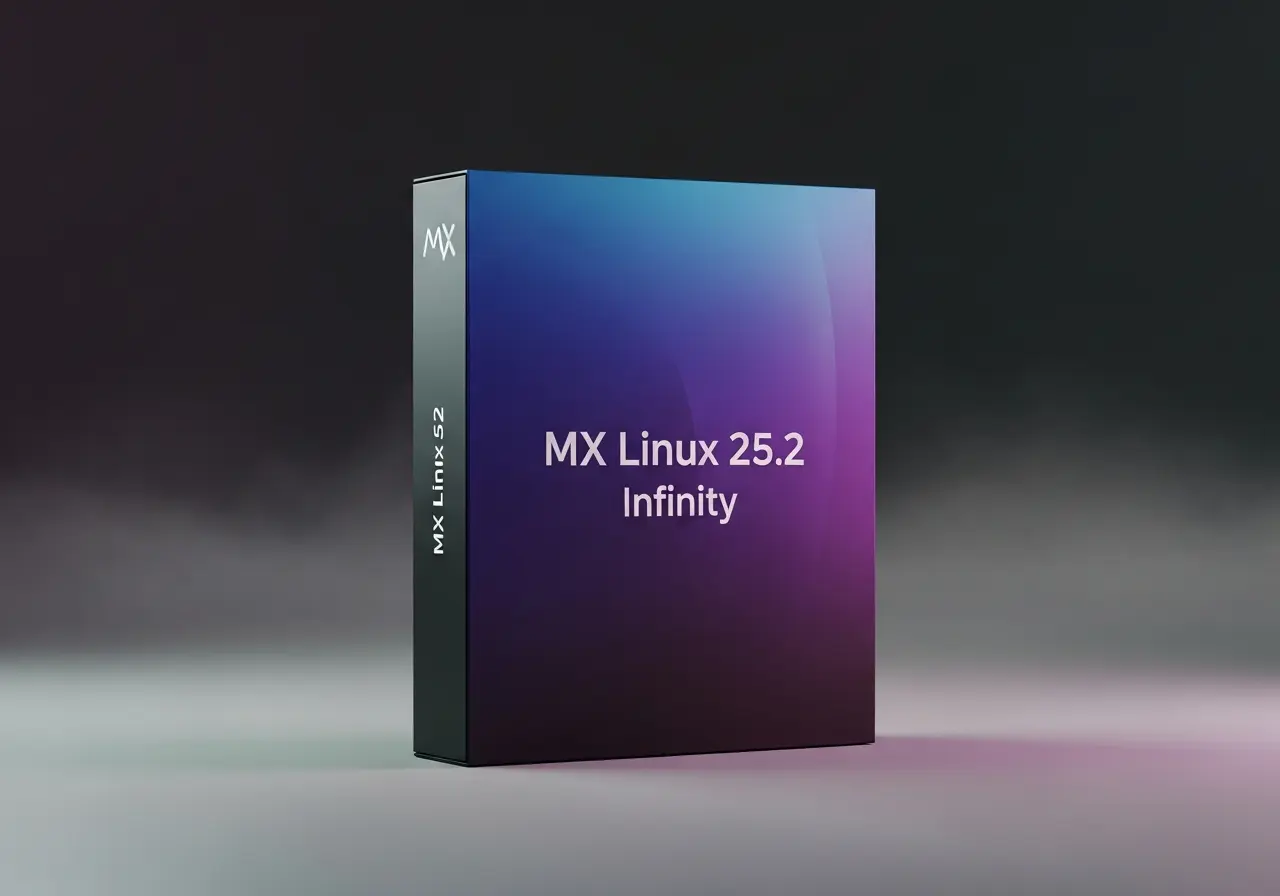
Keeping your Linux system stable and responsive can be a challenge, especially when balancing new features with bug fixes. MX Linux 25.2 addresses this by focusing on updating core components while smoothing out known issues, making it a practical choice for desktop users who rely on Debian-based distributions.
- Latest Mesa 26.0.1 graphics stack for Xfce and KDE AHS versions
- Low-latency Liquorix 7.0.9 kernel included in Xfce-AHS
- Multiple MX Tools and installer improvements
- Raspberry Pi spin returns with updated support
The 140W Claim Depends on How You Use It
MX Linux 25.2 ships with the updated Mesa 26.0.1 drivers, improving graphics performance and compatibility for the Xfce and KDE Advanced Hardware Support (AHS) editions. The Xfce-AHS version also features the Liquorix 7.0.9 low-latency kernel, targeting users who benefit from a more responsive desktop, such as multimedia creators or gamers. However, the standard Xfce and KDE versions do not include this kernel, so users should pick their version based on their performance needs.
Improved Installer and Live System Updates Simplify Setup
The MX Installer has received several bug fixes, a new text-based mode, and native systemd units for out-of-the-box experience (OOBE) and OEM setups. These changes streamline installation, particularly for Raspberry Pi users who are seeing the Linux distro return in this update. Additionally, the antiX live systems now support semi-automatic persistence saving on sysVinit live boots, which can make live session workflows smoother.
Value for Desktop Users and Raspberry Pi Hobbyists
For those running MX Linux on desktop PCs, the refreshed MX repository includes patches for recent kernel bugs and updates to popular MX Tools utilities. The inclusion of new wallpapers and theme updates adds a bit of polish but doesn’t add to system requirements. Raspberry Pi users can download the ZIP image, signature, and checksum files directly, making this a low-cost way to get a lightweight Debian-based OS on Pi hardware. For newcomers, budget starter kits like the CanaKit Raspberry Pi 4 with 2GB RAM are available for around $135.
The trade-off is capacity and performance scope. The low-latency Liquorix kernel is only available on the Xfce-AHS edition, so if your tasks require responsiveness, you may need to choose that version over the standard one. Meanwhile, users who prefer KDE or Fluxbox have fewer ISO options, typically just one per flavor.
Consider MX Linux 25.2 If You Want Reliable Debian Base with Practical Updates
This update is best for users who appreciate a stable desktop with up-to-date graphics drivers and kernel improvements but don’t want to reinstall their system. The wide availability of versions — Xfce, KDE, and Fluxbox — plus the renewed Raspberry Pi support helps cover diverse user needs. Consider MX Linux 25.2 if you want a practical, user-friendly Debian derivative with ongoing community support. Skip it if you require bleeding-edge software or prefer a more commercial Linux distribution with frequent major upgrades.
(Via)