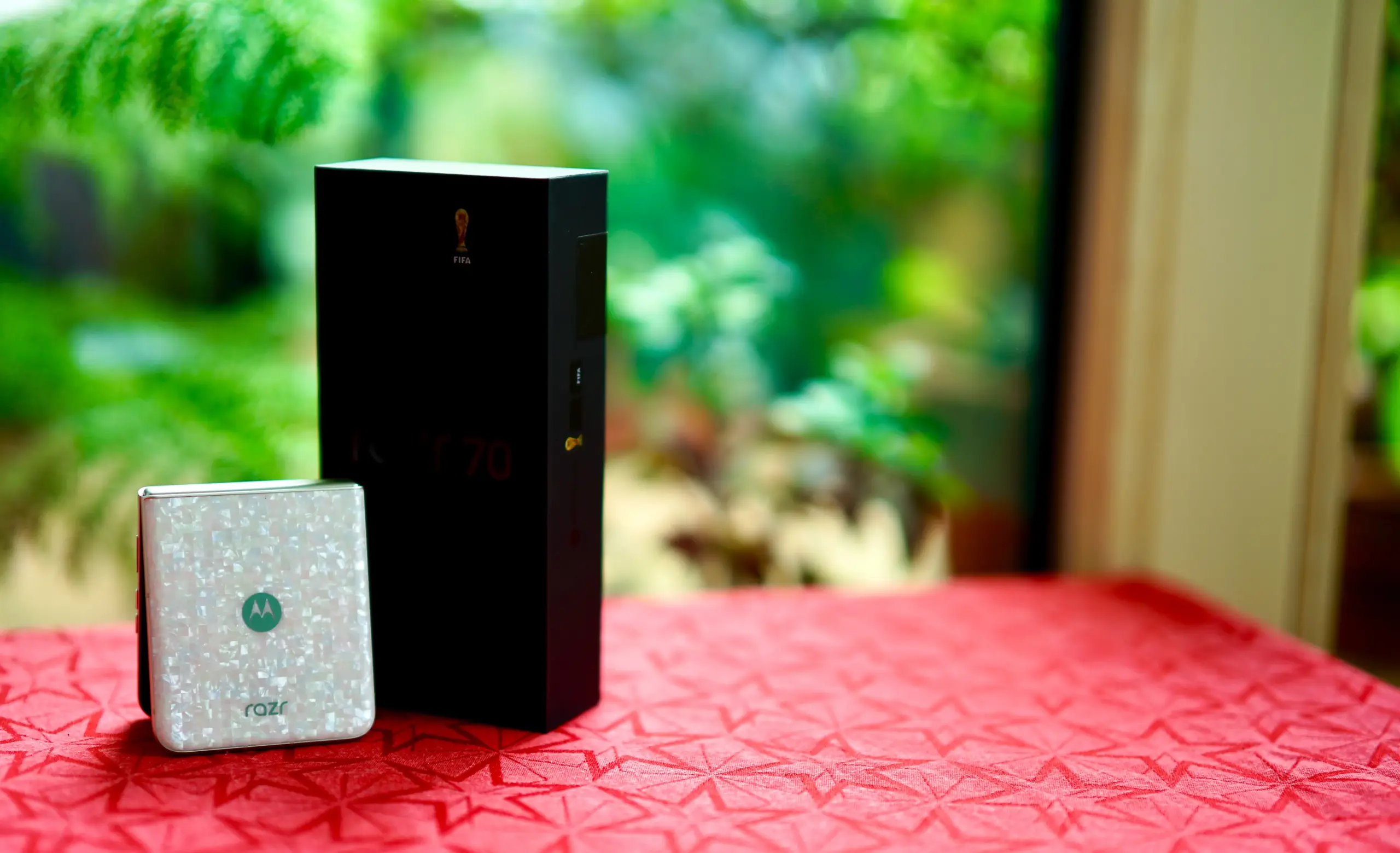
When buying a premium foldable smartphone like the Motorola Razr 70, the question of software support is just as important as hardware specs. Despite launching with Android 16, Motorola’s update promise of only three major Android versions and four years of security patches falls short compared to rivals.
- Razr 70 comes with Android 16 and promises 4 years of security updates.
- Security patches are reportedly scheduled every two months but can be delayed.
- Samsung and Google offer significantly longer update support on comparable devices.
- Long-term users and companies may find Razr 70’s update policy insufficient.
Four Years of Updates, But Are They Timely?
Motorola’s official stance guarantees security updates for the Razr 70 until 2030, which sounds reasonable for users expecting typical lifespan cycles. The manufacturer aims to deliver these patches every two months to keep the device protected from vulnerabilities. However, recent reports indicate delays, with the latest security patch dating back nearly three months, raising concerns about consistent update frequency.
How Does Motorola Compare to Samsung and Google?
Samsung’s Galaxy Z foldables often receive seven years of updates, nearly doubling Motorola’s commitment. Google Pixel devices also maintain longer support cycles, making them more attractive for buyers prioritizing longevity. This discrepancy matters especially when considering the investment required for foldable phones, which are often priced around $840 or more.
Who Should Consider the Razr 70 Despite Its Update Limits?
If you plan to upgrade every two to three years and value the Razr 70’s design and features, the update policy may be acceptable. However, users intending to keep the phone for five years or more risk missing critical security patches, potentially exposing their data. For business users with compliance requirements, the limited update window could be a dealbreaker.
Update Policy Trade-Offs and Market Context
The trade-off is clear: a smaller update window helps Motorola manage costs and device lifespan but leaves long-term users less protected. While EU regulations call for longer update periods, Motorola’s interpretation may not fully meet these standards, possibly leading to legal scrutiny. Buyers should weigh the importance of software support against other factors like design and price.
In conclusion, the Motorola Razr 70 offers a solid foldable experience but falls behind in software support compared to competitors. Consider it if you prioritize style and plan for a shorter upgrade cycle. Skip it if long-term security updates are a priority for your smartphone investment.
(Via)