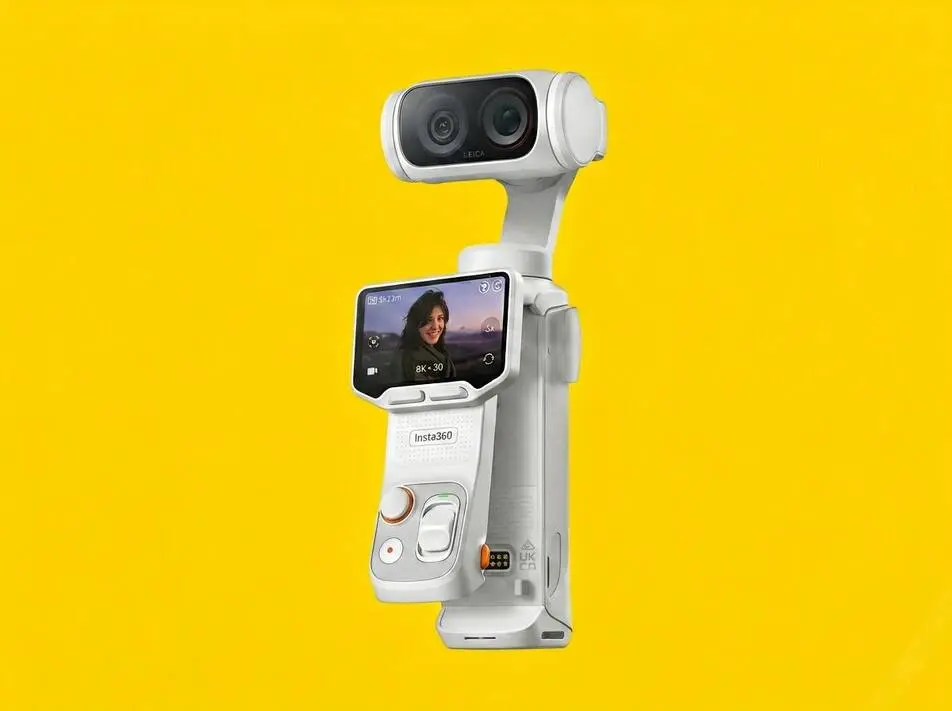
The rivalry between Insta360 and DJI has reached a new level of intensity. Shortly after DJI initiated legal action regarding the new Luna Ultra camera, Insta360 responded with two separate countersuits in the United States. This move signals a firm stance against what the company describes as anti competitive attempts to hinder its latest product release.
- Insta360 filed two countersuits accusing DJI of violating five specific utility patents.
- The disputed technology covers gimbal stabilization, directional controls, and telemetry data overlays.
- Affected product lines include DJI Osmo Pocket, Ronin, RS stabilizers, and Osmo Mobile.
- Insta360 maintains the Luna Ultra features an independent engineering footprint developed since 2020.
Escalating Legal Tensions Over Camera Tech
Insta360 alleges that DJI has infringed upon its proprietary innovations across several categories. The legal filings highlight core functionalities such as panoramic video stabilization and advanced gimbal mechanics. These features are central to the identity of both the Osmo Pocket series and the professional grade Ronin and RS stabilizers. By initiating this action, Insta360 aims to protect its intellectual property rather than merely responding to DJI’s initial claims.
The timing of DJI’s original lawsuit, which coincided with the Luna Ultra launch on June 10, drew sharp criticism from Insta360 founder JK Liu. He characterized the move as a calculated effort to disrupt the market entry of a direct competitor. Insta360 rejects the notion that its new hardware mimics the architecture of the Osmo Pocket, pointing instead to a lineage of in house research that includes the ONE R and Flow series.
Market Impact and Future Implications
Despite the courtroom friction, the Luna Ultra shows strong commercial momentum. The device achieved top status in the North American camcorder category on Amazon within its first day of availability. This consumer response suggests that creators remain interested in the hardware regardless of the ongoing corporate dispute.
The legal situation carries broader implications given the current environment for tech manufacturers in the United States. DJI faces significant hurdles related to government restrictions and executive orders affecting its ability to trade freely. This context complicates the legal arguments regarding financial damages. If a company faces limited commercial reach in a specific region, proving lost revenue due to a competitor’s product becomes a complex task for the court to evaluate.
Source: Insta360 | Notebookcheck