Choosing a smartphone often means balancing design, camera capabilities, and battery life. Huawei’s upcoming Nova 16 Ultra, set for launch on June 1, leans heavily into an eye-catching style and large battery capacity, but does it meet the needs of international users?
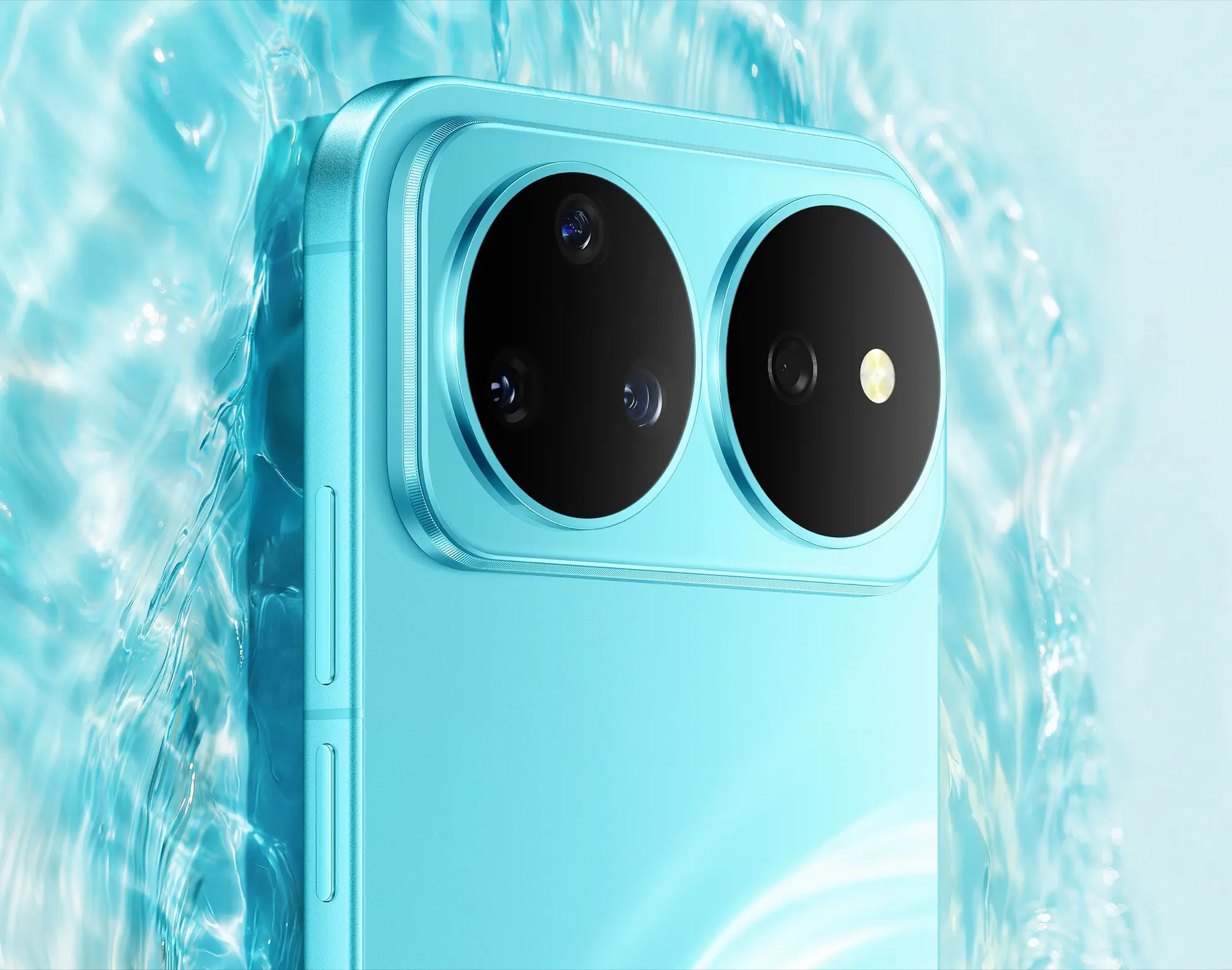
- Distinctive circular rear camera module with 50 MP main and periscope lenses
- 6.84-inch LTPO AMOLED display for smooth visuals and adaptive refresh rate
- Massive 7,000 mAh battery aiming for extended usage
- Powered by HiSilicon Kirin 9 series chipset, primarily for the Chinese market
The Bold Camera Design Is More Than Aesthetic
The Nova 16 Ultra stands out with a large circular camera module that stretches nearly across the phone’s width. This design contrasts with the usual rectangular setups seen on many phones, including Huawei’s own Nova 16 Pro and Nova 16 models. Inside the large black circle, Huawei places a 50 MP main sensor alongside a 50 MP periscope telephoto camera, promising versatile photography from wide shots to detailed zooms.
Adding to the uniqueness, the module is framed with a contrasting color area, giving the Ultra model a distinct identity. On the front, dual selfie cameras are housed in a pill-shaped punch-hole, possibly combining a standard and an ultra-wide lens for more flexible selfies.
Battery Size Reflects Real-World Usage Needs
The 7,000 mAh battery capacity is notably larger than average in today’s flagship segment, targeting users who prioritize long-lasting battery life over ultra-slim designs. This capacity should support heavy daily usage, including gaming, video streaming, and multitasking without frequent recharges.
The trade-off is capacity. A larger battery generally means added weight and thickness, which could affect one-handed use and pocketability. Buyers should consider whether extra endurance is worth the potential bulk.
HiSilicon Kirin 9 Chip: Performance Meets Regional Limitations
Huawei equips the Nova 16 Ultra with its flagship HiSilicon Kirin 9 series processor, which historically delivers strong performance and efficient power management. However, due to geopolitical factors, Huawei’s chipsets and software ecosystem have limited availability and support outside China.
This is an important consideration for international buyers who rely on Google services or broader app compatibility. The Nova 16 Ultra could make more sense for users within Huawei’s established ecosystem or those less reliant on Western app stores.
Pricing and Availability Will Shape Its Appeal
While Huawei has opened reservations in China ahead of the June 1 launch, global availability and pricing remain uncertain. Given Huawei’s current market position, the Nova 16 Ultra may not be widely accessible internationally, or it could come at a premium compared to more globally available alternatives.
Consider it if you value large battery life, distinctive camera design, and are integrated into Huawei’s ecosystem. Skip it if you need extensive app support or live outside China where availability is limited.
(Via)