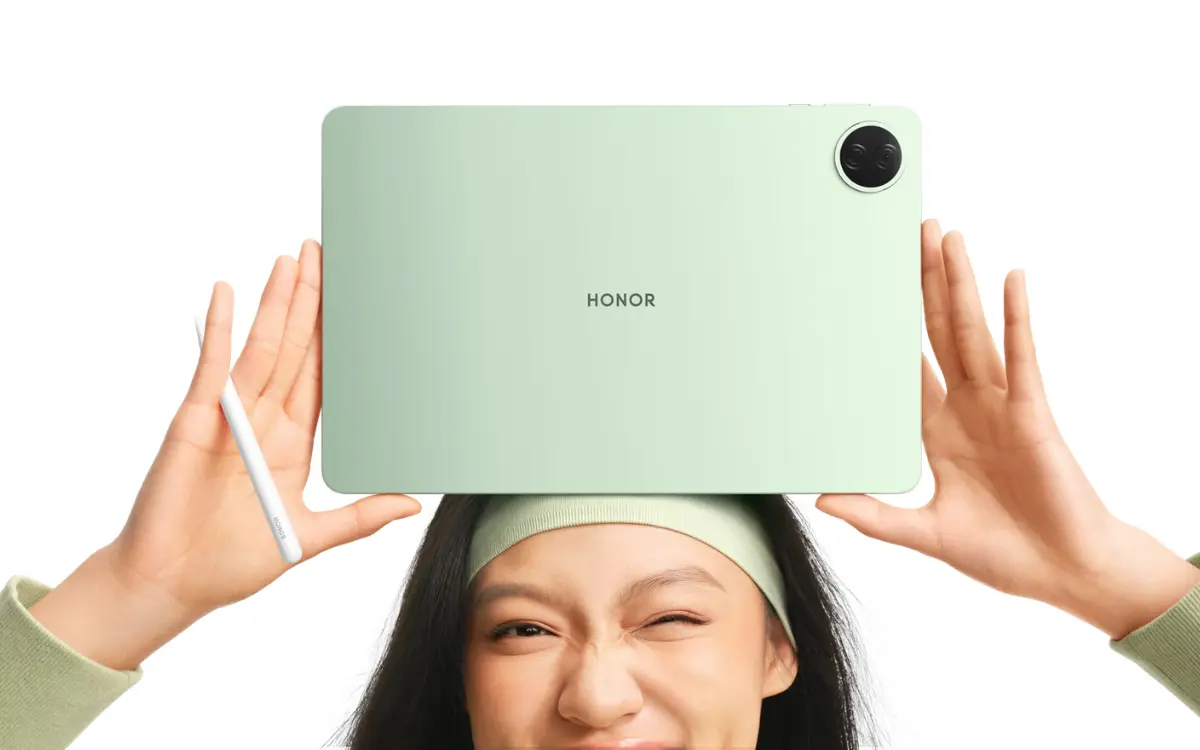
The Honor Pad 20 arrives amidst a crowded tablet market with a spec sheet that looks solid on paper—but how does it hold up where it counts? This matters because Honor is pitching this as a student-friendly device with a big 3K screen and Snapdragon 7 Gen 3 chip, aiming to stand out in China’s mid-range tablet scene.
- 12.1-inch 3K TFT LCD display with 120Hz variable refresh rate and 700 nits brightness
- Snapdragon 7 Gen 3 chipset powering a multi-core CPU setup
- 10,100mAh battery with 45W charger included; supports 66W fast charging
- MagicOS 10 on Android 16 with AI tools for students and multitasking features
Flagship Power, Mid-range Compromises
Honor’s choice of the Snapdragon 7 Gen 3 chipset is a solid step up in this price bracket. The CPU layout—one Cortex-A715 at 2.63GHz, three more at 2.4GHz, plus four efficiency cores—should handle daily apps smoothly and even light multitasking well. Don’t expect gaming prowess here; this isn’t a Snapdragon 8 series flagship.
The 12.1-inch 3K TFT LCD panel is a standout on spec. With 3000 x 1872 pixels and a 120Hz variable refresh rate, images should look crisp. The 700 nits max brightness is respectable for indoor and some outdoor use, but TFT LCD technology means blacks won’t be deep, and HDR support is likely absent. The Soft-Light Edition’s matte, anti-glare coating is a rare nod to eye comfort—great for reading or note-taking, but it might dull punchiness.

Three Hours to Full Charge? That’s the Trade-off
The 10,100mAh battery capacity sounds generous. Honor bundles a 45W charger but claims support for 66W charging if you provide your own adapter. That’s a typical bait-and-switch. Real-world charging times will depend on which charger you use, and the official 45W will likely push close to three hours for a full charge.
Battery life claims are vague. Heavy use with 5G, 120Hz screen refresh, and bright settings will drain this sizeable cell faster than Honor implies. Don’t hold your breath for all-day endurance under those conditions.
AI Tools and a Pencil for Students—But Is It Enough?
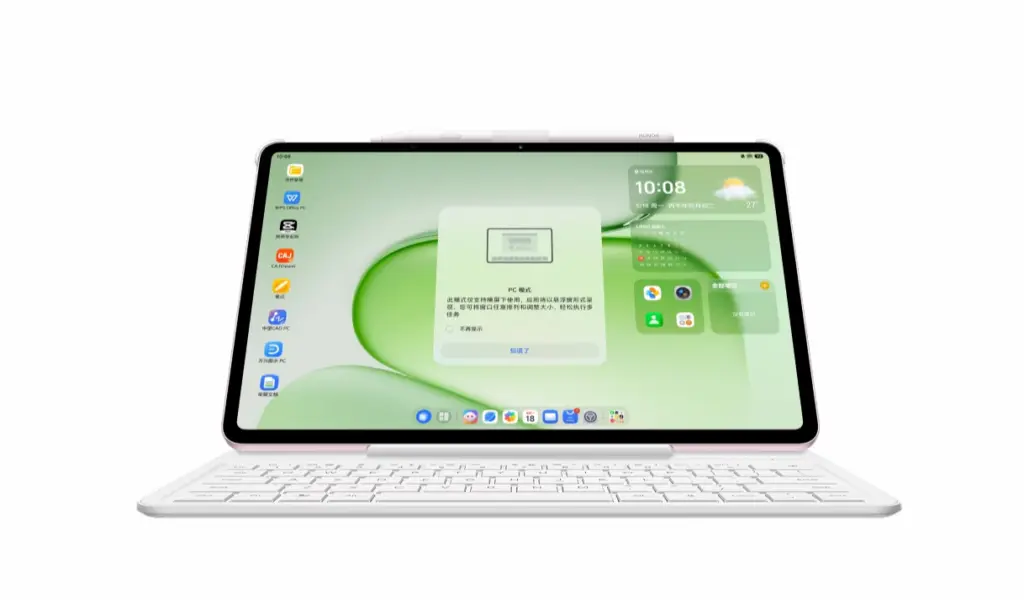
The Pad 20 runs MagicOS 10, built on Android 16. The desktop-style UI with multi-window support is a nice touch, but it’s hardly unique. Honor’s AI features—automatic course transcription, note organization, exam prep assistant—sound promising but risk being gimmicky without real polish.
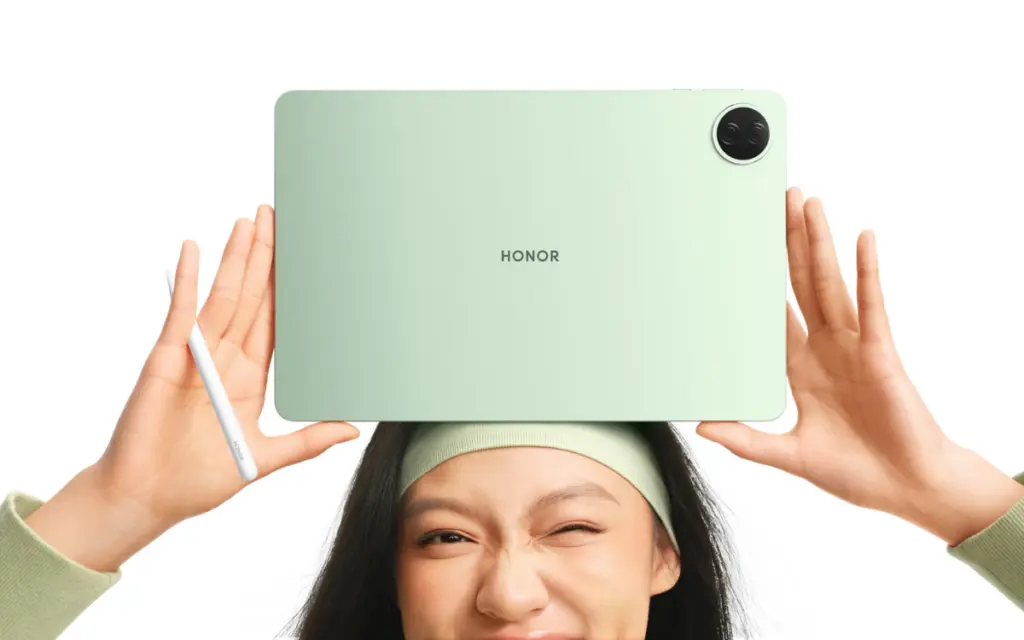
Support for the USB-C Honor Magic-Pencil 4s stylus is an expected but welcome addition, targeting creatives and note-takers. Cross-platform collaboration with Android, iOS, and HarmonyOS devices also adds some practical value for users invested in multiple ecosystems.
Basic Cameras and Audio for Calls, Not Photography
Both front and rear cameras are 8MP with standard apertures (f/2.0 rear, f/2.2 front). Autofocus on the rear lens is a plus, but this setup is strictly for video calls and casual snapshots. Don’t expect impressive photos or video quality.
The six-speaker setup promises decent audio output, but without brand details on tuning or codecs, it’s hard to gauge quality beyond volume.
Pricing and Availability: Affordable, But With Caveats
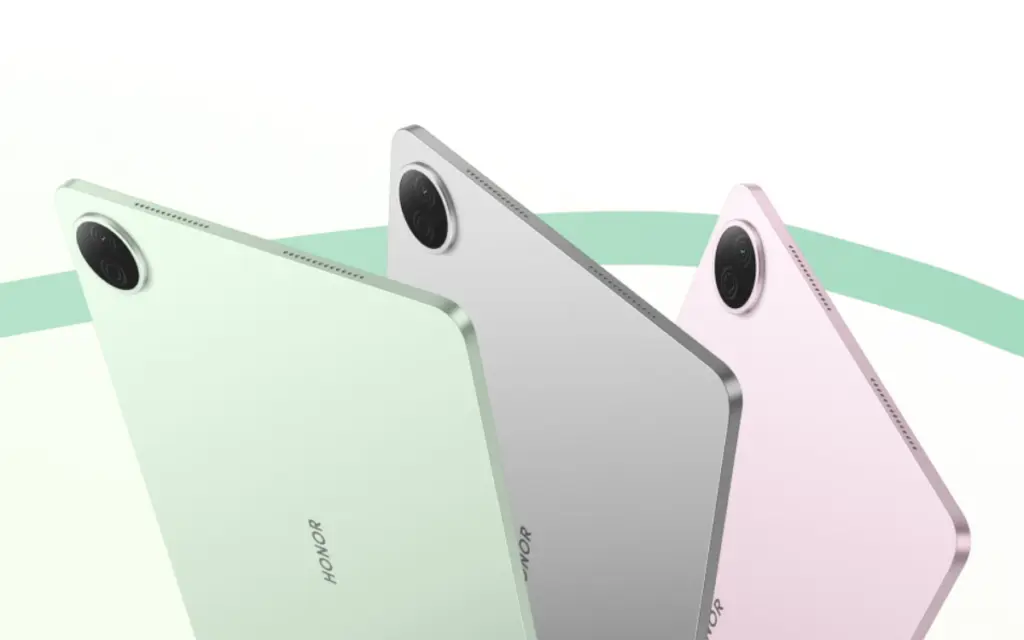
Starting at roughly $315 for the base 6GB/128GB model and topping out at $510 for 12GB/256GB Soft-Light Edition, the Pad 20 is priced competitively. Colors include Gray, Green, and Pink, and sales start May 27th in China.
The price points place the Pad 20 against offerings from Xiaomi, Samsung, and Lenovo in the mid-range tablet space, each with their own strengths and weaknesses.
GizmoIndo’s Take
The Honor Pad 20 packs some impressive numbers on paper: a high-res 3K display, a new Snapdragon 7 Gen 3 chip, and a big battery. But the devil is in the details. TFT LCD panels can’t match OLED or AMOLED for deep contrast, and the charging situation feels half-baked. AI features targeting students may be more marketing than meaningful productivity boosts.
Ultimately, the Pad 20 looks like a solid, affordable mid-range tablet with some thoughtful touches—especially the Soft-Light Edition—but it won’t shake up the tablet market or redefine user expectations. Buyers should weigh how much they actually need the AI software and pencil support versus competitors offering better screens or more polished ecosystems.
(Via)